



What Are Landrace Strains? Origins, Genetics and Seeds

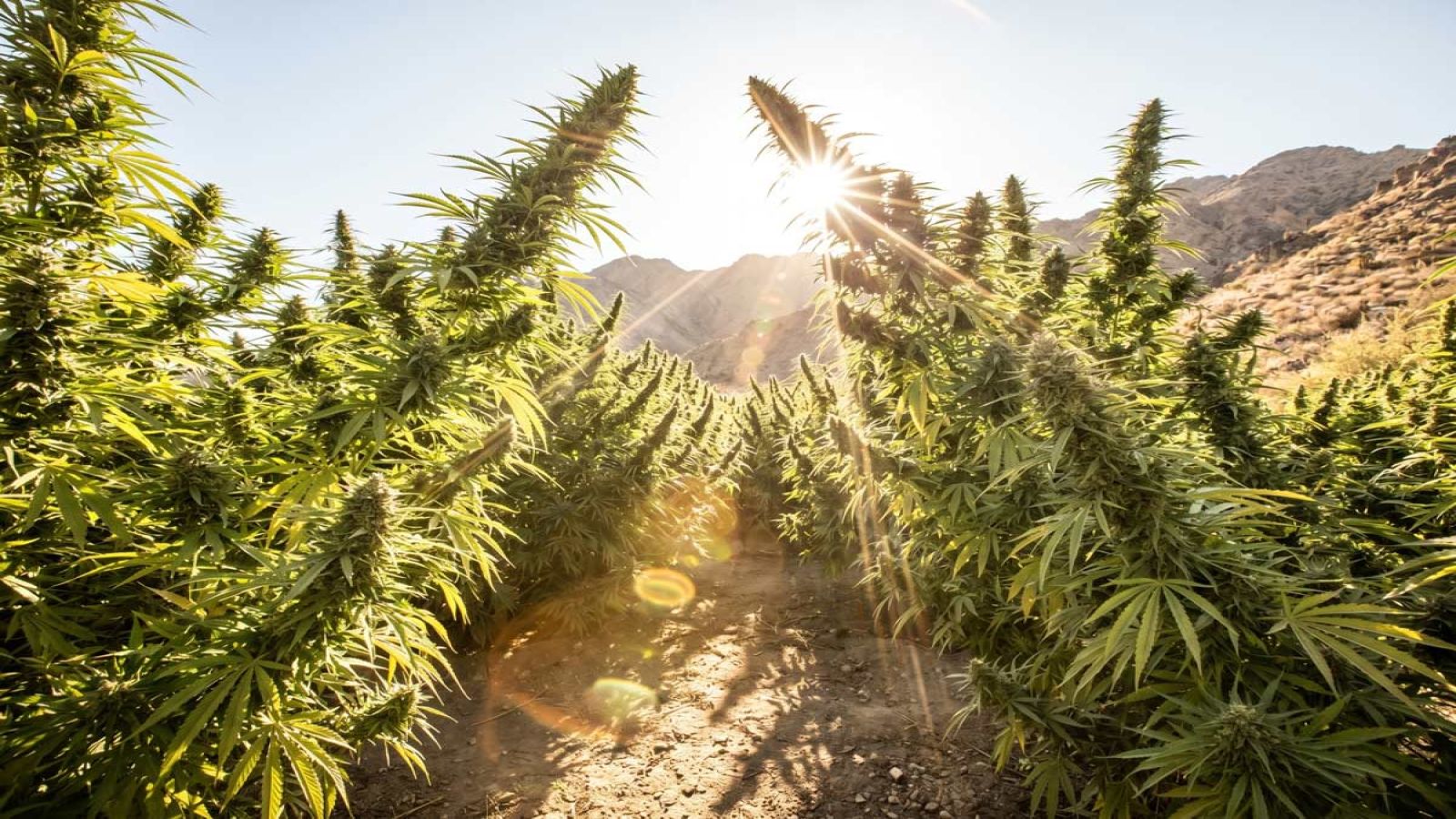
Landrace strains are pure regional cannabis varieties that adapted to one place over generations and became the parent genetics behind almost every modern strain.
This guide explains what landrace means, where these strains come from, how their genetics differ from hybrids, and how landrace and heirloom seeds compare. You will see why growers value their stable traits and where they fit alongside today's seed categories.
What Are Landrace Strains?
Landrace strains are regionally adapted cannabis populations that developed over many generations through local cultivation, human selection, and natural conditions, isolated from outside genetics. These varieties developed through local selection, isolated from new genetics and shaped by both human hand and nature rather than modern crossbreeding.
A landrace expresses relatively stable traits because regional isolation kept out new genetics and locked in the plants that survived best, though midlatitude landraces still retain meaningful internal variation. Growers and breeders treat landraces as the original gene pool that later hybrids were built from.
The word landrace points to a strain named after its home region, not its breeder. Afghan, Thai and Mexican landrace varieties each carry the climate and growing conditions of where they came from.
This regional origin separates a true landrace from a created hybrid, which combines parents from different places. Because the genetics are stable, seeds from a landrace tend to grow plants that closely resemble the parent population.
Where Do Landrace Cannabis Strains Come From?
Cannabis originated in Central Asia (the Tibetan Plateau and Himalayan foothills), so landraces elsewhere arrived through human migration and then stabilized in specific regions as the plants adapted to local climate, daylight and soil.
Each region shaped a different plant structure, flowering pattern and aroma profile over centuries of natural selection. The clearest split runs between equatorial sativa landraces and mountain indica landraces.
- Sativa landrace strains - tall plants with long flowering, shaped by warm equatorial climates.
- Indica landrace strains - short dense plants with faster flowering, shaped by cool mountain zones.
- Named landrace examples - specific regional varieties tied to a home country, like Thai, Afghan and Mexican.
Sativa Landrace Strains From Equatorial Regions
Sativa landrace strains express tall structure and long flowering because they adapted near the equator, where daylight stays steady year-round. These equatorial varieties grow lanky with thin leaves and can flower for many weeks, which suits warm outdoor climates.
Thai, Colombian and African landrace sativas show energetic aroma profiles and slim flower clusters. Growers drawn to this plant type often compare regional sativa landraces before browsing the broader sativa seeds category.
Indica Landrace Strains From Mountain Regions
Indica landrace strains express short, dense structure because they adapted to the variable climate of Central Asia, between roughly the 25th and 35th parallels north, where shorter seasons and changeable weather favored compact, fast-finishing plants.
These mountain varieties finish flowering faster and grow compact, which helped them survive a brief outdoor window.
Afghan and Hindu Kush landraces are the classic examples (the Hindu Kush valley runs through northern Afghanistan, Pakistan, and India), known for broad leaves and resinous buds. The same regional adaptation shapes the plants found in the indica seeds category today.
Named Landrace Examples by Region
Named landrace examples include Thai, Mexican, Afghan and Burmese populations, each tied to a specific home region. Mexican landrace varieties grow tall and energetic, while Burmese landrace plants reflect a Southeast Asian climate and long flowering profile. Afghan landraces sit on the indica side with dense resinous flower.
These regional names describe where the genetics stabilized, so a Mexican landrace and an Afghan landrace differ in structure, flowering time and aroma because their home climates differed.
How Do Landrace Genetics Differ From Hybrid Cannabis Genetics?
Landrace genetics differ from hybrid cannabis genetics because they carry a narrow, stable gene pool fixed by regional isolation. Equatorial landraces tend to breed fairly true, so their seeds closely match the parents, while temperate and midlatitude landraces carry a more variable gene pool and show more difference between plants in height, flowering and aroma.
Hybrid genetics combine parents from different lineages, which widens the gene pool and produces more variation between plants. This stability is the main reason breeders use landraces as foundation stock.
Are Landrace Strains Better Than Hybrids?
Landrace strains are not better or worse than hybrids, because the two serve different goals. Landraces offer genetic stability and regional character, which matters to breeders and growers who want pure foundation genetics.
Hybrids offer combined traits like higher yield or shorter flowering, which many growers prefer for predictable harvests. A grower chasing potency or speed usually looks at hybrid seeds, while a grower preserving genetics chooses landraces.
What Is the Difference Between Landrace and Heirloom Cannabis Seeds?
Landrace and heirloom cannabis seeds differ in where the genetics were grown, not in their purity. A landrace strain is a pure variety still tied to its original region, like Afghan plants grown in Afghanistan.
An heirloom strain is a landrace that was moved and grown in a new location, often kept pure by growers across generations. Both carry stable original genetics, so heirloom cannabis seeds preserve a landrace line outside its native home.
Where Do Landrace and Heirloom Cannabis Seeds Fit a Grower's Choice?
Landrace and heirloom cannabis seeds suit growers who want stable regional genetics and breeding material, where cultivation is legal in your area. These seeds are regular seeds, so they grow both male and female plants and need more grower attention than feminized options. Landraces also flower long and yield modestly, so they reward patience over speed.
Beginners who want simpler results often start with marijuana seeds for beginners or a general selection of cannabis seeds before taking on regional landrace genetics.
Outdoor growers in suitable climates get the most from landraces, because these varieties evolved to thrive in open regional conditions. A long-season climate matches an equatorial sativa landrace, and a shorter season suits a mountain indica landrace.
Growers planning an outdoor season can match a landrace type to their region or compare the wider outdoor cannabis seeds range, where permitted by federal, state and local rules.
How Landrace Seeds Connect to Modern Seed Categories
Landrace seeds connect to modern seed categories because they supplied the parent genetics behind today's feminized and hybrid lines. Breeders crossed landraces to fix specific traits, which is how categories built around a single attribute came to exist.
Growers who want sex certainty choose feminized seeds, since landrace regular seeds carry male-plant uncertainty. Those chasing a single attribute that landraces rarely maximize can compare high yield seeds, high THC seeds or faster-finishing fast version seeds, since landrace potency, yield and flowering time stay moderate and variable.
Frequently Asked Questions
What Does Landrace Strain Mean?
A landrace strain means a pure cannabis variety that stabilized naturally in one geographic region over many generations. The name points to the home region rather than a breeder, so the genetics stay narrow and consistent.
Are Pure Landrace Strains Still Available?
Pure landrace strains are still available but increasingly rare, because hybridization and lost growing regions reduced isolated populations. Many seeds sold as landrace are heirloom lines that growers kept pure outside the original region.
What Are the Oldest Cannabis Strains?
The oldest cannabis strains are landrace varieties like Afghan, Thai and Mexican populations that predate modern breeding. These original strains form the genetic base that hybrid breeders later crossed to create today's catalog.