



Cannabis Flower: What It Is, Bud Anatomy, Quality and Storage
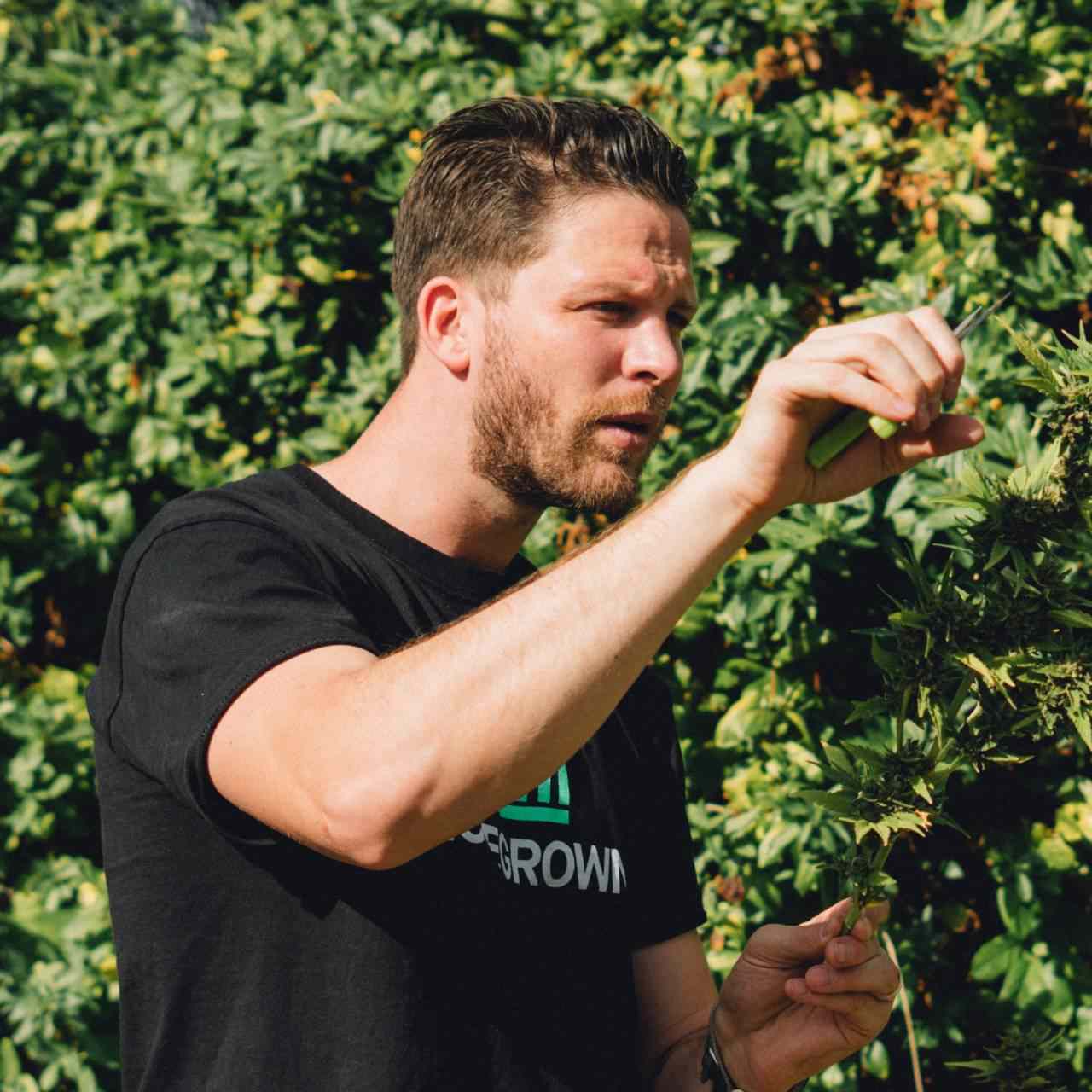
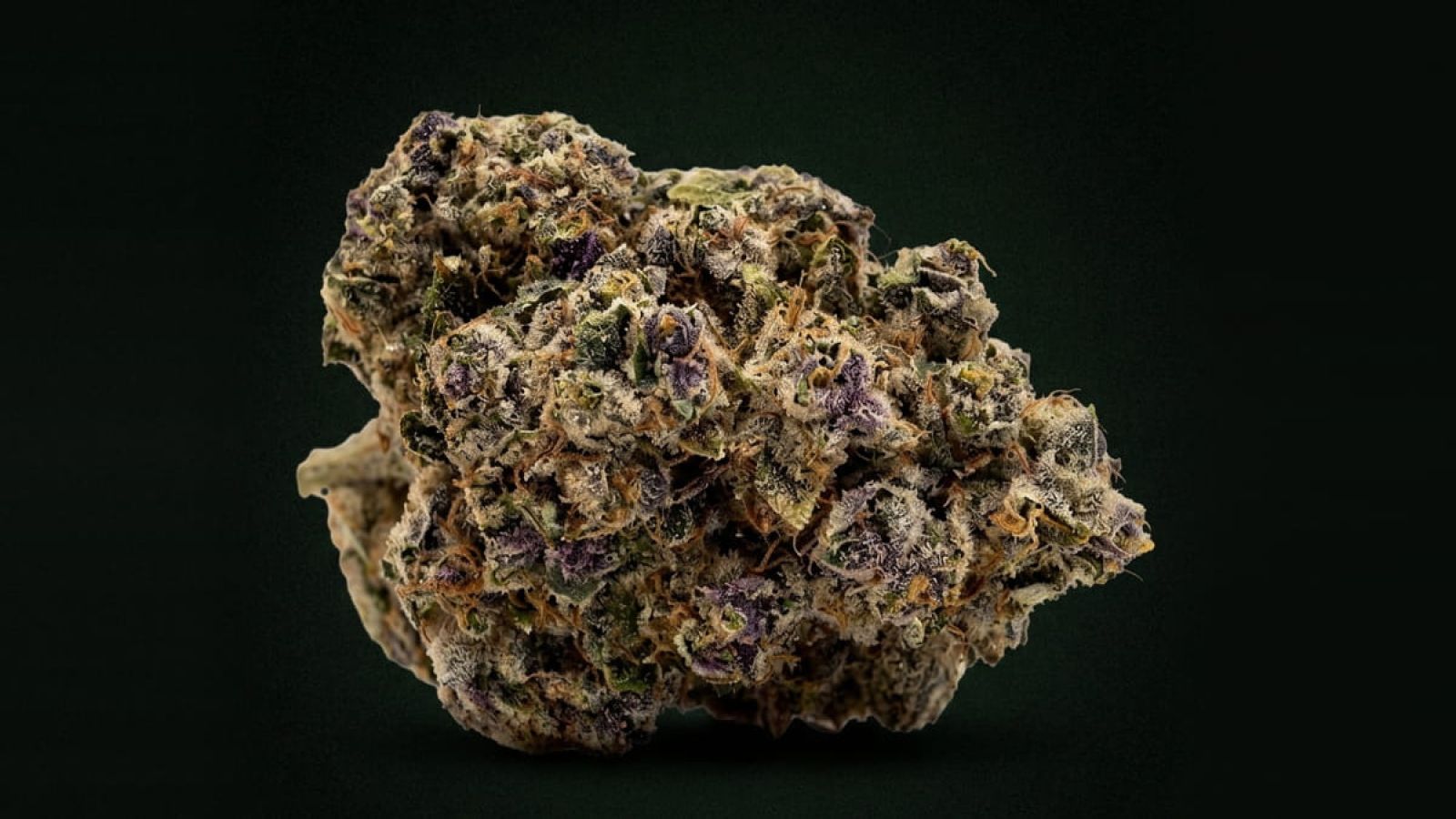
Cannabis flower refers to the flowering part of a female cannabis plant, harvested and then dried and cured so it can be stored and used. People call it bud, nugs, or marijuana buds, while “weed” is used more loosely for cannabis in general.
Most of what makes one bud different from another is decided long before anyone holds it. Genetics set the starting point, the plant builds resin in tiny glands on the flower, and that resin carries the cannabinoids and terpenes behind a flower's smell and character. Harvest timing, drying, curing and storage then shape what the finished bud becomes.
This guide is for people who want to understand the plant itself, including anyone thinking about growing their own. It covers what flower is, the colas, calyxes and pistils that make up a bud, what the resin holds, and how buds are grown, cured, judged and stored.
What Is Cannabis Flower?
Cannabis flower typically means a dense cluster of many small individual flowers growing tightly together on a stem, which is why it looks like a solid lump — or bud — rather than an actual flower. The word ‘flower’ is a literal botanical term. It names the part of the plant being described, and only the female weed plant produces these resin-coated buds.
You can encounter weed flowers in three states: still growing on the plant, freshly cut and wet, and dried and cured. Almost every use of the word refers to the third. Fresh and finished flower aren’t quite the same, though.
Flower is also the raw material behind other formats, since pre-rolls, concentrates and infused products all begin as flower.
Is Marijuana a Flower?
Yes, marijuana is an annual flowering plant, and the bud is genuinely its flowering structure. What throws people is appearance, because cannabis flowers have no petals, no color display and no nectar.
The reason sits in how the plant reproduces. Cannabis is wind-pollinated, not insect-pollinated, so there is nothing to gain from building showy petals to attract a visitor. Pollen travels on moving air, and the flower's job is simply to catch it. The structures stay small, green and packed together instead.
Every cannabis plant flowers once its nights get long enough, or at a set age in autoflowering plants. Cannabis is also predominantly dioecious, which means male and female flowers usually appear on separate plants, and the two look nothing alike.
So yes, weed is considered a flower botanically. A weed in the gardening sense, though, is any unwanted plant, which has no connection to weed as a name for cannabis.
Bud, Nug, Weed, Flower: What Each Name Really Means
In weed slang, bud (or bud weed) means the flower itself: the dried, cured cluster harvested from a female plant. Flower, bud and nug all refer to the same material. They differ in register and scale rather than in meaning. Words for the same material:
- Flower. The general term for the material itself, meaning the dried and cured buds of a female cannabis plant.
- Bud. The countable unit, one dense cluster of flowers, the thing you can pick up and look at.
- Nug. Casual, short for nugget, used for an individual piece of bud. In the plural, most people just say weed nugs.
- Popcorn buds. Small, loose buds from the lower branches, where less light reaches. They are whole flower, just smaller and airier than the buds that form at the tops of the plant.
- Weed. An informal name for cannabis in general, broader than flower, covering the plant and the products made from it.
Some words get used loosely alongside "flower," but each one refers to something other than whole buds:
- Shake. Small bits of bud and leaf that break off during handling and storage and collect at the bottom of a bag or jar.
- Trim. The leaves cut away when buds are manicured after harvest, mainly the small, resin-coated sugar leaves around each bud.
- Kief. The loose, powdery trichome heads that break away from dried buds and trim, usually collected by sifting through a fine screen.
- Pre-roll. A ready-made joint filled with ground cannabis, which may be whole flower, shake, trim or a blend, depending on the producer.
Those four are by-products or formats derived from flower rather than grades of it, which is also why they look, smell and behave differently from a whole bud.
The Anatomy of a Marijuana Bud
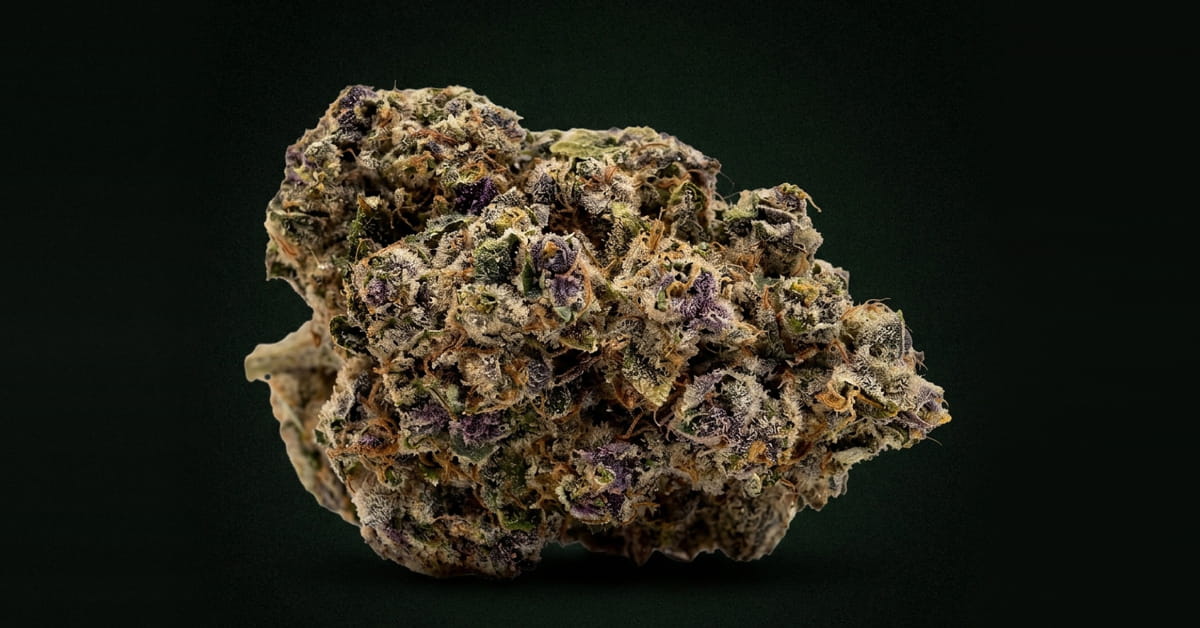
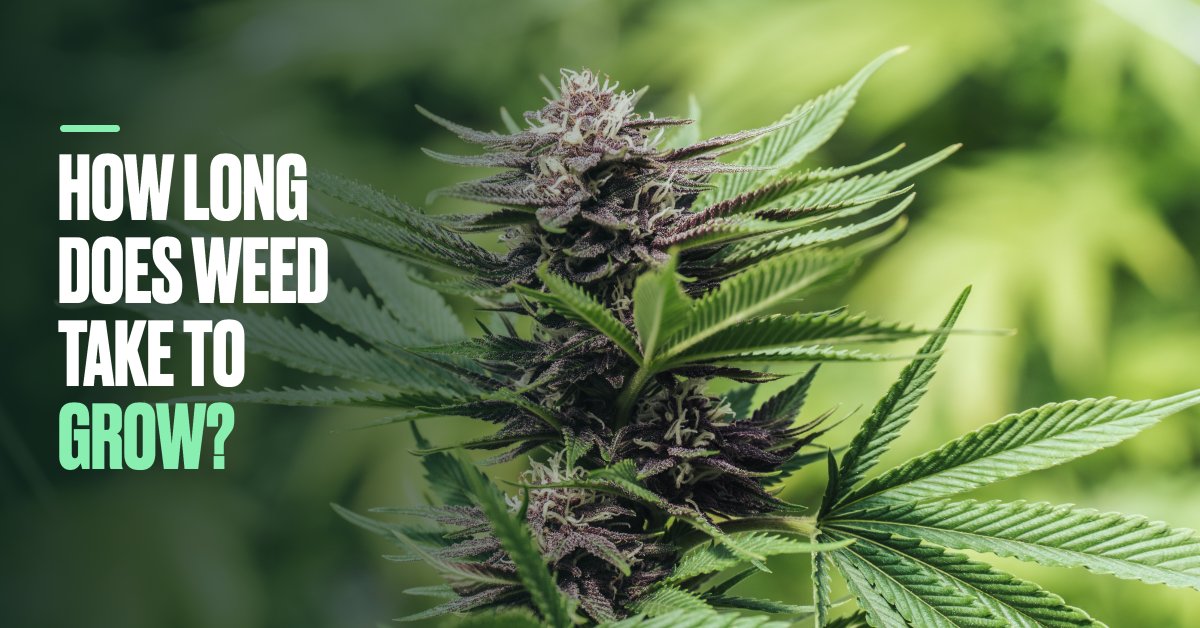
A cannabis bud is made up of bracts (calyxes), stigmas (pistils), sugar leaves and trichomes, (which produce the resin that matters most). Many buds grow tightly together along the top of a stem or branch to form a cola, the largest flower cluster on the plant. Once dried, cured and trimmed of most leaf material, the bud is the part of the marijuana plant you smoke.
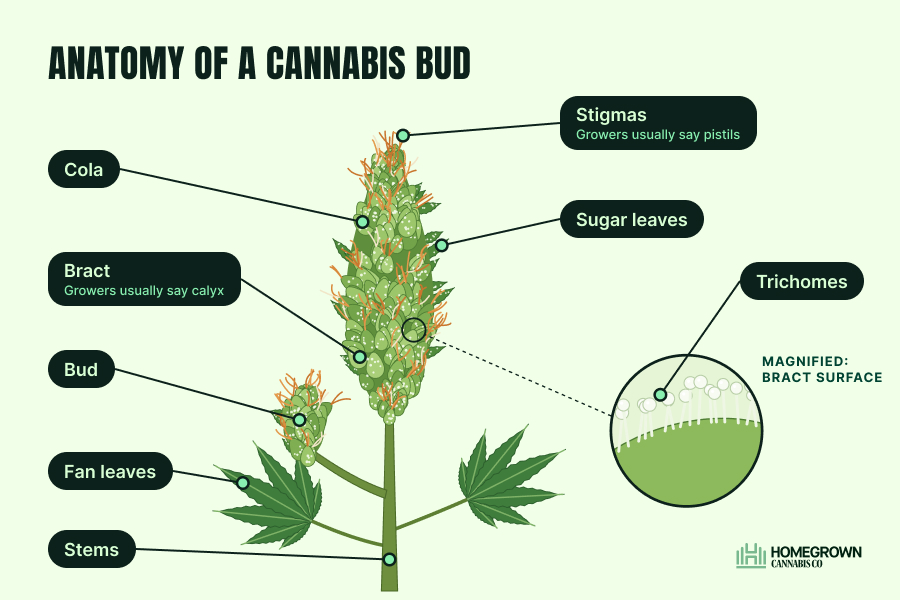
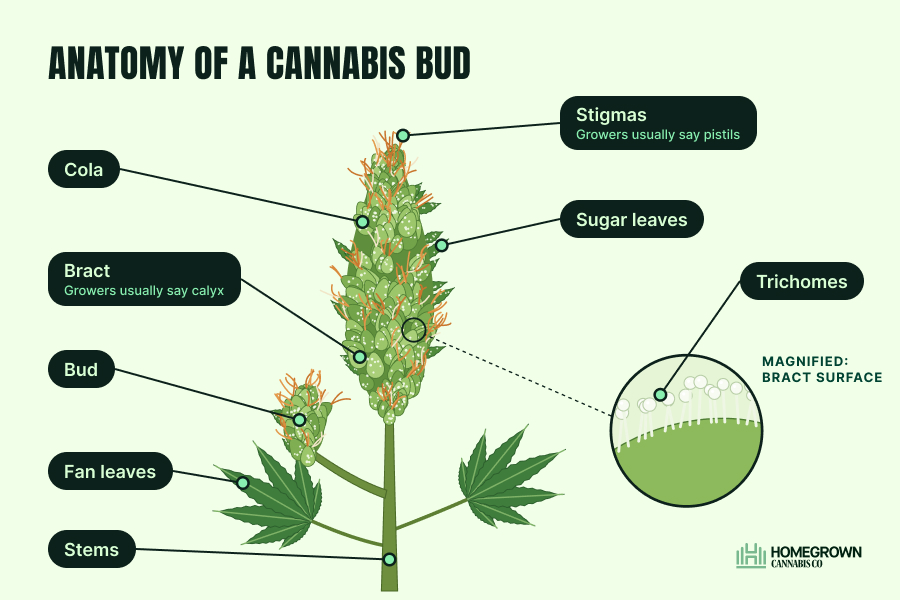
The parts of a bud:
- Bract (calyx). The small modified leaf that wraps around each ovary. Growers usually call it the calyx, although botanically the true calyx is a thin, barely visible layer tucked under the bract. Bracts make up most of a bud's mass and carry its heaviest trichome coverage.
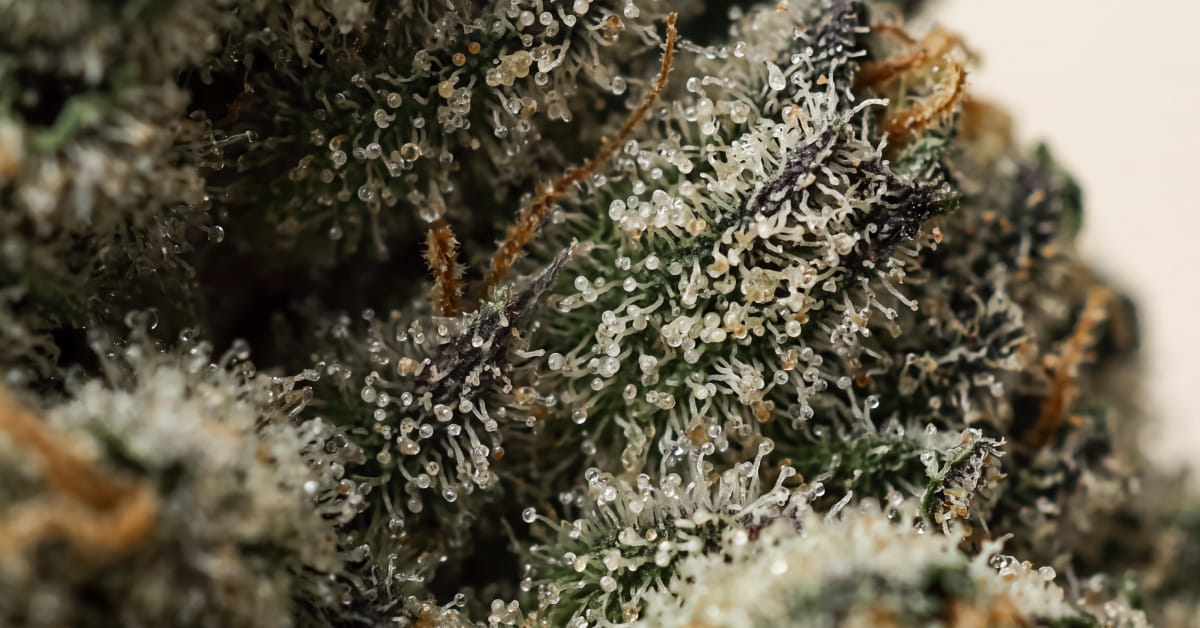
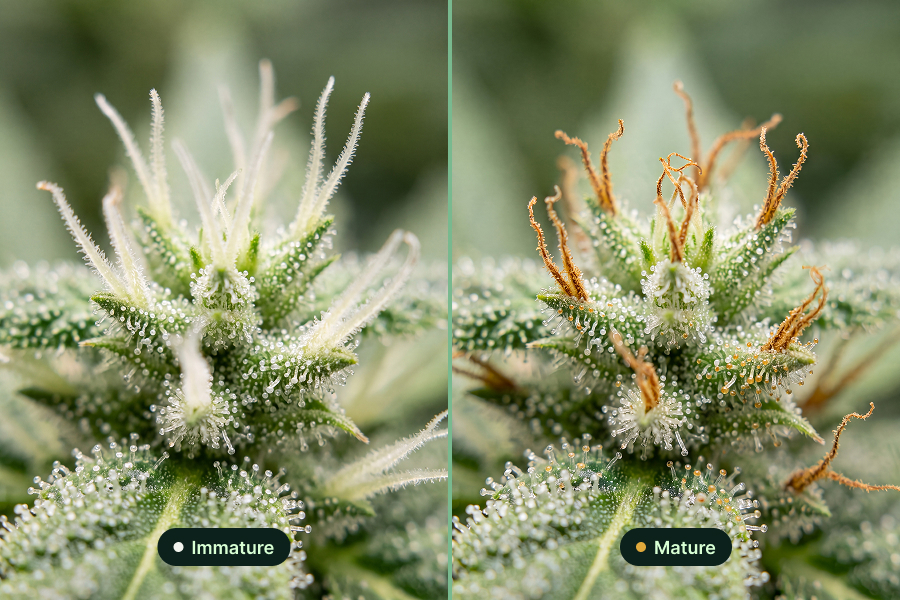
- Stigmas (pistils). The hair-like strands sticking out from the bracts, whose job is to catch airborne pollen. Growers usually call them pistils. They start pale and shift toward orange, red or brown as the flower matures.
- Sugar leaves. Small, resin-dusted leaves growing out from inside the bud. Most are trimmed away after harvest.
- Trichomes. Tiny resin glands coating the bracts and sugar leaves. They produce the resin, and they are the reason a well-grown bud looks frosted.
Other parts you'll see around the bud:
- Cola. A cluster of buds packed together along the top of a main stem or branch. The main cola at the top of the plant is usually the biggest and densest.
- Fan leaves. The large leaves that drive photosynthesis. They come off at harvest and form no part of finished flower.
- Stems. The woody structure the buds grow on. They give support but aren't part of the finished product.
Color varies more than people expect. Purple, red and deep violet tints come down to genetics and growing conditions, and they say little about a flower's potency.
What's Inside a Bud: Cannabinoids, Terpenes and Potency
The resin made in the trichomes is where a flower's character comes from. It holds two groups of compounds that matter most: cannabinoids and terpenes. The balance between them, rather than any single number, is what separates two buds.
THC, CBD and the Other Cannabinoids
Cannabinoids are compounds produced in the resin. In raw, unheated flower they exist mainly in acid form, as THCA and CBDA rather than THC and CBD. Heat converts THCA into THC through a reaction called decarboxylation, which is why flower eaten straight out of the jar does not produce the effect associated with THC.
THC is the cannabinoid associated with intoxication. CBD is not intoxicating. Smaller amounts of others, including CBG, CBC and CBN, also turn up in the resin.
Different plants carry very different cannabinoid balances. Some genetics are strongly THC-dominant, others are CBD-dominant, and plenty sit somewhere between the two. That balance is set largely by genetics, which is chosen at the seed-buying stage.
Terpenes and Where the Smell Comes From
Terpenes are the aromatic compounds made in those same resin glands, and they are not unique to cannabis. They occur right across the plant world, in citrus peel, pine needles and culinary herbs.
The main cannabis terpenes include myrcene, limonene, pinene, linalool and caryophyllene. Different combinations and concentrations produce citrus, pine, earth, fuel, floral or spice character. Two buds with nearly identical THC content can smell completely different, and terpenes are largely the reason why.
What a THC Percentage Actually Tells You
A THC percentage states how much THC was present by weight in a tested cannabis flower sample. That is the whole of what it states. It describes nothing about the terpene profile, the freshness, the care taken over drying and curing, or how a particular person responds.
Category labels have a similar limitation. Indica, sativa and hybrid describe perceived heritage and get used everywhere as shorthand, but they do not reliably predict a flower's chemical profile. Two flowers sharing a label, or even sharing a name, can test very differently. Cannabinoid and terpene content tells you more than a single category ever will.
How Weed Buds Develop on the Plant
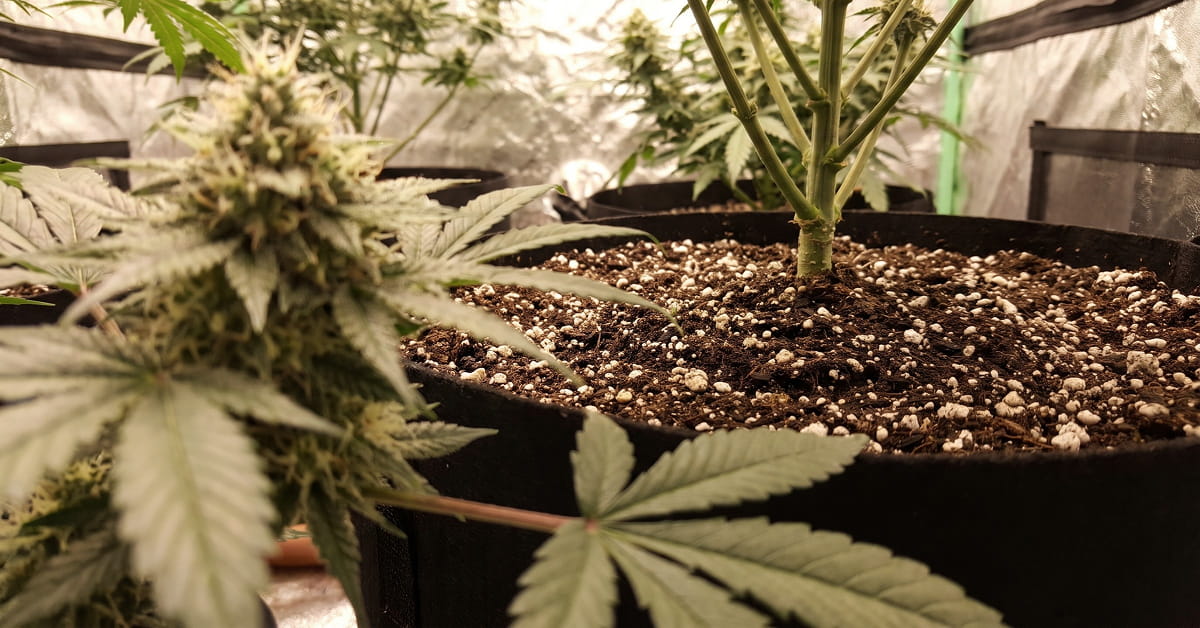
Weed buds develop once a female plant moves out of vegetative growth: tight clusters form at the nodes and branch tops and thicken into buds as they mature. Before that point, the plant puts its energy into roots, leaves and height.
Plant sex decides what a grower ends up with. Female plants that you get from feminized cannabis seeds build the resinous flower, while male plants from regular weed seeds produce pollen sacs instead.
Pollination changes the outcome completely. A female flower that gets pollinated starts putting resources into making seeds, and the seeds develop through the bud. Kept away from pollen, the same flower stays seedless and keeps building flower mass and resin, which is what the word “sinsemilla” refers to.
Autoflowering plants reach that stage differently, since they begin flowering according to age, not light schedule. Either way, maturity is judged by eye, and growers look at two things:
- Trichome heads change color. This is the signal most growers go by. Viewed under a loupe or magnifier, clear heads turn cloudy, and later a portion of them turns amber.
- Stigmas (pistils) darken and recede. The pale hairs turn orange, red or brown and shrink back toward the bud. This is a less reliable signal, since stigmas can also darken from heat, light stress or handling, and the timing varies a lot between strains.
Growers use stigma color as an early hint that harvest is getting close, then confirm with the trichomes. Harvest timing shifts the character of the finished flower, which is one reason two growers running the same genetics can finish with noticeably different buds.
Drying and Curing: How Fresh Buds Become Finished Flower
Fresh buds become finished flower in two stages: drying removes most of the water from the cut flower, and curing then lets the moisture still inside each bud even out in sealed containers. Without both, a freshly cut bud stays wet, smells green rather than aromatic and can rot if it's sealed straight away.
Drying happens out of direct light, under controlled temperature and humidity, and works best when it's slow and even. Buds dried too fast turn brittle and harsh, and they keep the grassy, hay-like smell instead of losing it.
During the cure, the dried flower rests in sealed jars or containers that are opened periodically to exchange the air. This is the stage most growers credit for better aroma, smoother smoke and a more even texture.
Mistakes at either stage are hard to fix later. Proper storage keeps well-dried, well-cured flower in good condition for a long time, but it can't make up for a rushed dry or a skipped cure.
How to Judge the Quality of Cannabis Flower
Judge cannabis flower by its color, aroma, texture and trim, and check it for signs of mold. Together these reflect the genetics, the harvest timing and how the bud was dried, cured and stored, so a careful look and a proper sniff tell you more than any name on a label.
What to check:
- Color. Healthy flower runs from pale to deep green, sometimes with purple, red or orange tones. A uniform brown, gray or dull bleached look points to age, heat or light exposure.
- Aroma. Well-grown, well-cured flower smells distinct. A faint, flat or hay-like smell suggests a poor cure or an old bud, and musty notes suggest a moisture problem. A chemical or artificial smell is a reason to be cautious.
- Texture. It should feel slightly springy and break apart cleanly. Crumbling to dust means it is over-dried, while damp or very spongy bud is holding too much moisture.
- Trim and structure. Tidy trimming with little leaf left behind reflects careful handling after harvest.
- Safety. White powdery or fuzzy patches, gray webbing or a sharp ammonia smell point to mold or spoilage, and flower in that condition should not be used.
The smell is worth dwelling on. Aroma comes from terpenes, which are volatile, and a bud that smells of almost nothing has usually either been cured badly or sat too long.
Some signals look stronger than they are. A heavy frost of trichomes, a high THC figure and a famous cultivar name are all perfectly compatible with a badly dried, badly stored bud. None of them survives a poor cure, and none of them tells you what your nose and fingers can.
How to Use Cannabis Flower
Cannabis flower is mostly smoked, vaporized or heated for edibles and infusions, and every one of those routes relies on heat. The cannabinoids in raw flower sit in acid form until heat converts them, so the real difference between methods is how that heat gets applied.
Smoking
Flower is ground and burned, and the smoke is inhaled. That covers rolled formats such as joints and blunts, pre-rolls that arrive ready-made, and pipes and water pipes. Combustion is the oldest route and still the most common. It also exposes the lungs to the by-products of burning plant material, so it is not risk-free.
Dry-Herb Vaporizing
A dry-herb vaporizer heats ground flower below the point at which it burns, releasing the compounds as vapor and leaving the plant material behind. This is a different device from a vape cartridge, which holds a concentrate rather than flower. Avoiding combustion by-products does not make vaporizing risk-free either.
Decarboxylation, Edibles and Infusions
Flower headed for food or an infusion is normally heated on its own first, the decarboxylation step, before being infused into a fat such as butter or oil. Without that step, most of the THCA in the flower stays unconverted. Infused flower is a separate product: flower combined with a concentrate, so it typically tests higher in THC than the same flower on its own.
How to Store Cannabis Flower
Store cannabis flower in an airtight container somewhere cool and dark, with humidity held steady. That setup guards against the four things that degrade stored flower: light, heat, air and unstable humidity.
Terpenes are volatile and escape over time, which is why aroma is the first thing to go. With exposure to heat, light and air, THC also degrades toward CBN over time.
Humidity sits at the center of it. Too dry and a bud turns brittle and harsh, and too moist inside a sealed container and mold can develop, which makes the flower unsafe to use.
Practical storage tips:
- Use an airtight container kept somewhere dark and cool. Glass jars are the commonly recommended default, and bags made specifically for storing flower, such as Grove Bags, are another option.
- Match the container to the amount. A large jar holding a small amount of flower leaves a lot of air sitting against the bud.
- Manage humidity instead of guessing. Humidity control packs are commonly used, and around 55 to 65% RH is the range most often recommended.
- Skip the fridge and freezer for everyday storage, since cold introduces condensation and makes bud more fragile to handle.
- Store securely, out of reach of children and pets.
There is no hard expiry date on flower. Stored well it stays usable for a long time, though aroma, texture and cannabinoid content all drift gradually.
Frequently Asked Questions About Cannabis Flower
Is Cannabis Flower Legal?
It depends on where you live. Laws covering cannabis flower, including possession, purchase and home cultivation, differ by country, state and local jurisdiction, and they change. Anyone thinking about growing or keeping flower should check the current rules where they live before doing anything else.
Do Male Cannabis Plants Produce Flower?
Yes, but not the kind people use. Male plants flower too, producing pollen sacs rather than resin-coated buds. They carry very little of the resin that gives female flower its character. That is why cannabis flower in everyday use always means the buds from female plants
How Much Flower Does One Plant Produce?
It varies widely, because yield depends on genetics, the growing environment, container and root space, how large the plant is allowed to get, light and the grower's technique. Two growers running the same seeds in different conditions can finish with very different amounts.