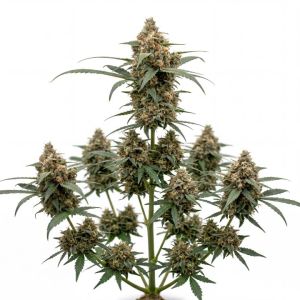
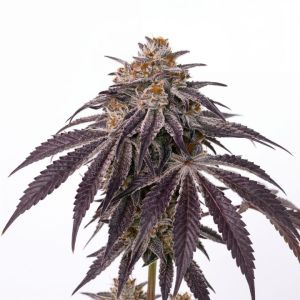
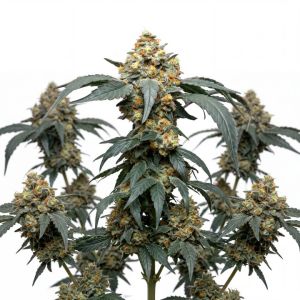
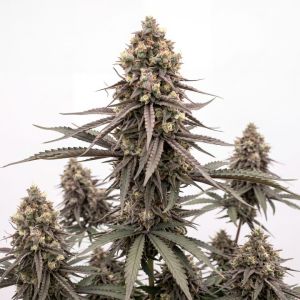
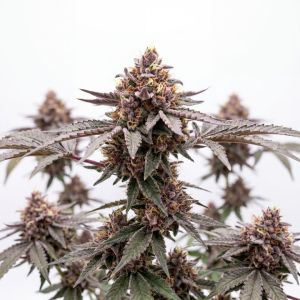
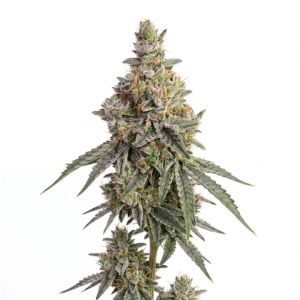
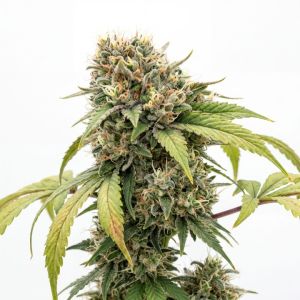
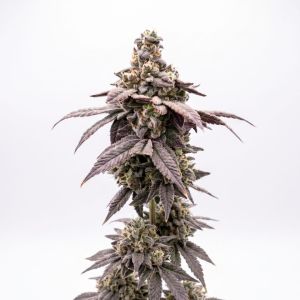
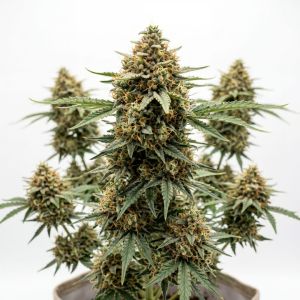
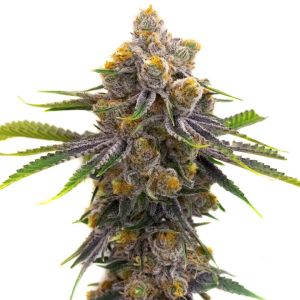
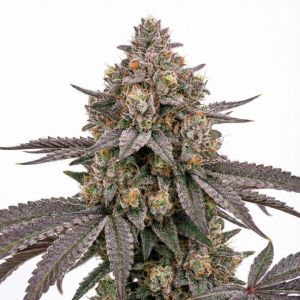
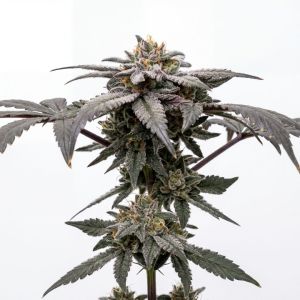
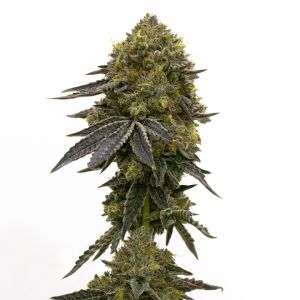
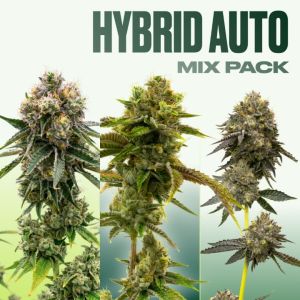
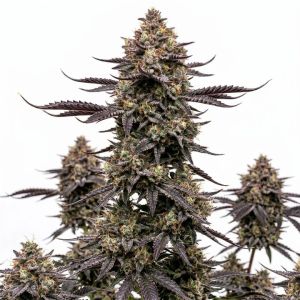
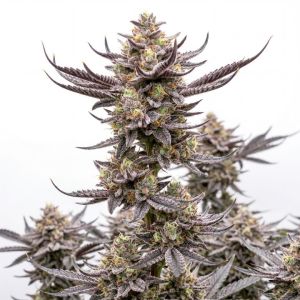
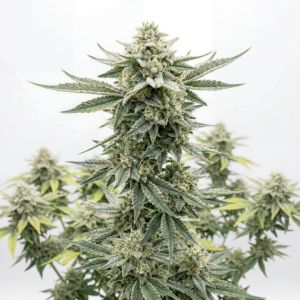
What Are Autoflower Seeds?
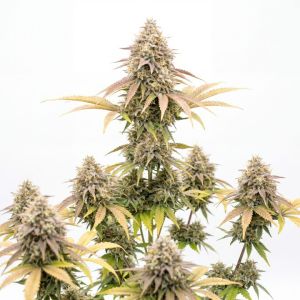
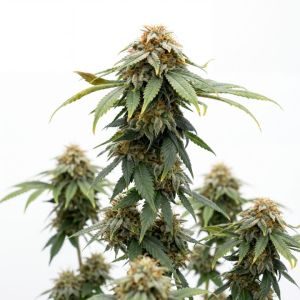
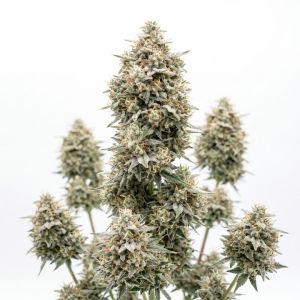
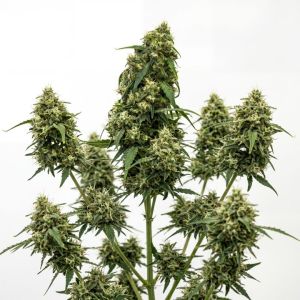
Autoflower cannabis seeds are cannabis seeds that flower on age rather than on a light-cycle change. Photoperiod seeds need a switch to 12 hours of darkness to start flowering, but autoflower marijuana seeds trigger their own flowering window roughly 2-4 weeks after germination.
The plant moves from seedling to vegetative growth to flowering on its internal clock. Most autoflower strains finish the full seed-to-harvest cycle in 8-10 weeks, with faster varieties taking 6-8 weeks and slower genetics taking up to 12-14 weeks.
The trait comes from one specific genetic lineage. Modern autoflowering seeds carry that lineage crossed into mainstream strains, which is why you can buy auto versions of familiar names like Northern Lights, Gorilla Glue and Blue Dream.
How Autoflower Genetics Trigger Flowering
Autoflower genetics carry ruderalis ancestry, a subspecies of cannabis that evolved in the Volga River region of southern Russia, where short summers and long daylight hours made photoperiod flowering unworkable. Ruderalis plants survived by ignoring day length and flowering on age instead.
Breeders cross ruderalis into indica and sativa lines to keep the auto-flowering trait while improving yield, aroma and reported potency. The result is a modern auto seed that finishes fast like ruderalis but carries the structure and chemistry of a standard cannabis strain.
Why Growers Choose Autoflower Cannabis Seeds
Autoflower seeds cut the planning window for cannabis growers and remove the most common timing mistake in a first grow. The flowering trigger is built into the seed, so the grower does not manage a light-cycle change.
Autoflower seeds also stay compact, fit small spaces and let outdoor growers run more than one harvest in a single season. Four reasons explain why growers pick autoflower seeds:
- Short seed-to-harvest timeline - most autoflowers finish in 8-10 weeks from germination.
- Compact plant size for small spaces - most autoflower plants stay short.
- Beginner-friendly grow profile - no light-cycle switch means fewer mistakes.
- Multiple harvests per outdoor season - staggered planting can produce two or three harvests where the season is long enough.
Short Seed-to-Harvest Timeline
Autoflowers finish in roughly 8-10 weeks from seed - much faster than photoperiod plants. A few auto strains close out in 6-8 weeks from seed, and breeders often label these as "fast" or "express" lines. Final finish times still vary by breeder listing and growing environment, though.
Compact Plant Size for Small Spaces
Autoflower plants stay compact all the way through to harvest. Their small size suits closet grows, tent grows, balcony grows and any indoor setup with a low ceiling. A short structure also makes auto plants easier to hide in a backyard grow where neighbors and sight lines matter.
Beginner-Friendly Grow Profile
Autoflower seeds suit first-time growers because they remove the light-cycle switch that trips up many photoperiod beginners. The seed handles the flowering decision, so the grower focuses on water, light and a basic nutrient schedule. Growers who are still narrowing down their first grow will find a wider beginner-friendly selection among marijuana seeds for beginners.
Multiple Harvests Per Outdoor Season
Autoflower seeds allow multiple harvests across a single outdoor season because the plants do not wait for the autumn light shift to flower. A grower can plant a first round in spring, harvest in early summer, plant a second round and harvest in late summer, where local climate and law permit. Photoperiod outdoor grows usually deliver one harvest per year.
How to Choose the Best Autoflower Seeds
The best autoflower seeds match your space, climate, timeline and goals. A grower with a 2-foot closet and an 8-week timeline picks a different pack than a grower with a 4-foot tent and yield as the top priority. Four attributes shape how growers choose autoflower seeds:
- Yield potential - how much usable flower the strain can produce.
- Reported THC content - the strain's reported cannabinoid potential.
- Indica vs sativa lean - structure, aroma and reported effect profile.
- Price tier - cheap autoflower seeds vs premium genetics.
Yield Potential and High-Yield Autoflowers
Yield potential varies across autoflower strains by genetics and growing conditions. Most modern auto seeds produce relatively rewarding yields, with high-yielding autoflowers like Apple Fritter Auto, Gorilla Glue #4 Auto and Northern Lights Auto being famous for their heavy harvests.
Growers chasing larger harvests can also browse high yielding pot seeds, which include photoperiod options with higher yield ceilings than most autoflowers.
THC Content and the Strongest Autoflower Strains
THC potential ranges from moderate to high in modern autoflower strains. Older ruderalis-heavy lines tested lower for cannabinoids, but the current generation of autoflower seeds includes strains in the same THC range as many photoperiod hybrids. Popular high-THC autoflowers include Critical Auto, Gelato Auto and GMO Auto.
Breeders label these the "strongest" or "most potent" lines on the pack. Reported potency varies by genetics, phenotype and growing conditions, so treat listed THC figures as a guide rather than a guarantee.
Indica vs Sativa Autoflower Strains
Indica and sativa autoflower strains differ in plant structure, aroma and reported effects. Indica-leaning autos tend to grow shorter and bushier, with denser nugs and earthy or sweet aromas. Sativa-leaning autos stretch taller with looser flower clusters and brighter, fruitier or spicier profiles.
Hybrid auto seeds fall between the two, and most modern autoflower catalogs lean hybrid because the indica and sativa parents both bring useful traits.
Cheap Autoflower Seeds vs Premium Packs
Cheap autoflower seeds lower the upfront cost of a grow, though they may come with trade-offs in genetic stability and yield potential. Budget packs work for first-time growers who want to test germination and basic plant care without spending much.
Premium auto seeds typically offer more stable genetics, consistent phenotype expression and stronger breeder support. Frequent cannabis seed deals and promotions (like Homegrown Cannabis Co. runs) also make it easier to pick up high-quality genetics at a lower price, giving growers the best of both value and performance.
Autoflower vs Feminized Cannabis Seeds
Autoflower and feminized cannabis seeds differ in flowering trigger and timeline, not in plant sex. Most modern autoflower seeds are also feminized, which means a single pack often carries both traits. Growers comparing the two are usually choosing between a fast, simple grow and a longer grow with higher yield ceilings.
Regular autoflower seeds also exist as a niche product. They are non-feminized auto seeds aimed at breeders who want to cross autoflower genetics into their own lines. Most home growers do not need them.
Are Autoflower Weed Seeds Right for Beginners?
Yes, autoflower seeds suit most beginner cannabis growers. The seed handles the flowering trigger, so the grower does not manage a light-cycle change or run a separate vegetative and flowering schedule.
Most autos tolerate normal swings in watering, feeding and training without falling over, but the tight internal timeline gives the plant less room to recover from major early mistakes. A first grow with autoflower seeds usually ends in a harvest within 8-10 weeks from seed, which builds confidence faster than a photoperiod grow with a flowering time alone of 8-10 weeks.
With autos, the flowering window starts on schedule whether the plant is ready or not. That’s why high-stress training methods that work on photoperiod plants (heavy topping, fimming, aggressive defoliation) can stunt an auto. Light, low-stress training works fine, though.
Buying Autoflower Cannabis Seeds in the USA
Autoflower cannabis seeds ship to most U.S. states from licensed seed retailers, with state-by-state restrictions where local rules limit cannabis seed delivery. Growers should confirm the rules in their state before placing an order. Three checks matter most before an order:
- Shipping eligibility - does the retailer ship to your state?
- Seed form and breeder reputation - what is the autoflowering catalog and breeder track record like?
- Storage plan - how do you keep the seeds viable until germination?
U.S. Shipping and State Eligibility
Autoflower seed orders ship based on state-by-state eligibility rules. Most U.S. states permit cannabis seed purchase as collectible items or for lawful germination, depending on the state's cannabis laws. A few states restrict delivery. Check your state's rules and the retailer's shipping policy before checkout.
What to Check Before Choosing Autoflower Seeds
Growers should check breeder reputation, pack size and shipping policy before ordering. Breeder reputation tells you whether the genetics are stable and the listed traits are reliable, while pack size affects price per seed. Shipping policy confirms whether the order will reach your state and how it arrives.
Storing Autoflower Seeds for Viability
Autoflower seeds stay viable for years in cool, dark, dry storage. The ideal storage range sits around 40 to 50°F with low humidity and no direct light. An airtight container in a refrigerator works well for long-term holding. Cannabis seeds lose viability faster in warm, humid or bright conditions, so a kitchen drawer is a worse storage spot than a sealed jar in the fridge.
How Autoflower Seeds Connect to Other Cannabis Seed Categories
Autoflower seeds sit inside a broader catalog of cannabis seeds which also includes feminized, regular and high-yield options. Cultivators who need higher yield ceilings or longer veg control often move to photoperiod feminized seeds.
Those who want breeding flexibility move to regular seeds. The autoflower category stays the right pick when speed, compact size and simple timing matter more than peak yield or genetic experimentation.
Frequently Asked Questions About Autoflower Seeds
Can You Clone Autoflower Seeds?
No, autoflower plants do not clone well. A clone keeps the age of the parent plant, so a cutting taken from a flowering autoflower starts its own life already in the flowering window. Most growers treat each autoflower plant as a single-use grow and start every new round from seed.
What's the Strongest Autoflower Strain?
The strongest autoflower strains report THC in the same range as many photoperiod hybrids, often in the high teens to upper twenties on the breeder’s label. Specific names change as breeders release new genetics but popular high-THC autoflowers include Critical Auto, Gelato Auto and GMO Auto. Reported potency varies by genetics, phenotype and growing conditions.
How Long Do Autoflower Seeds Take From Seed to Harvest?
Most autoflowers finish in 8-10 weeks from seed. Fast-finishing autoflower strains can close even earlier, in 6-8 weeks from seed. Slower varieties can take around 12-14 weeks from seed, depending on genetics rather than growing conditions.
Are Autoflower Seeds Legal in the U.S.?
Cannabis seed legality varies by state under federal, state and local rules. Most U.S. states permit cannabis seed purchase as collectible items or for lawful germination, while a few restrict delivery. Eligible adult growers should check their state's current rules before ordering.
Are Autoflower Seeds Feminized?
Yes, most autoflower seeds sold today are also feminized, which means the plants carry both the autoflowering trait and the female-flowering outcome. Regular autoflower seeds also exist for breeders and produce a mix of male and female plants. Check the product page for seed form before ordering.