Strawberry Cough Seeds: The Origin
Strawberry Cough seeds come from a Strawberry Fields x Haze cross, a pairing made famous by breeder and Cannabis Cup Winner.
The story starts in Connecticut, where a local grower gifted Kushman a clone called 'The Cough' as a token of appreciation for his help. The plant smelled like fresh strawberries, a trait Kushman believed came from being grown near an actual strawberry field.
He later crossed that clone with Strawberry Fields, locking in those dessert-like berry aromas. Then he added Haze to sharpen the sativa lift and focus. When Kushman moved west in 2004, he shared the cut with growers along the way, helping the Strawberry Cough strain gain its now-iconic reputation for its monster size, sweet strawberry scent, and mood-boosting effects.
Strawberry Cough seeds continue that same lineage, now in stable feminized form from Homegrown Cannabis Co.
Why Grow Strawberry Cough Seeds
Strawberry Cough seeds grow into big (but manageable) sativa-dominant plants that reward you with intense flavors and a whole lot of resinous buds. They stay resilient throughout the growth cycle, giving beginners and pros alike an easy path to high-quality flower.
Strawberry Cough seeds are perfect for cannabis enthusiasts who want:
- High-THC buds packed with flavor without finicky terpene upkeep.
- Excellent yields whether they choose an indoor or outdoor setup.
- Clear-headed daytime effects that lift mood and support focus.
- Tall but controllable plants that respond well to topping and light training techniques.
- Real bag appeal, thanks to frosty nugs and that unmistakable sweet berry profile.
If you're after a sativa that tastes incredible, grows vigorously, and delivers smooth, energetic effects, feminized Strawberry Cough seeds are an easy win. It's why we include them in our Quick-Start Cannabis Grow Kit.
What Do Strawberry Cough Plants Look Like?
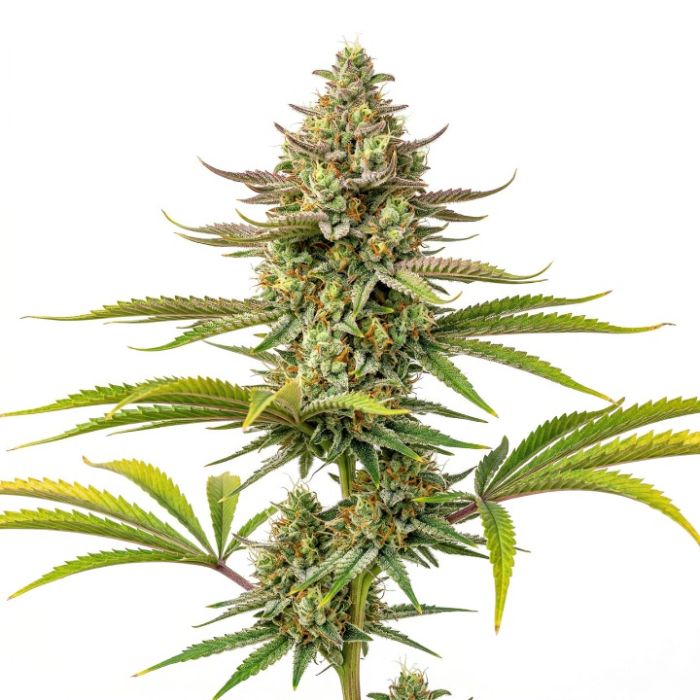
Strawberry Cough feminized plants grow tall and expressive, showing their sativa-dominant structure early in the vegetative stage. Expect long internodes, rapid vertical growth, and a structure that stretches significantly once flowering begins.
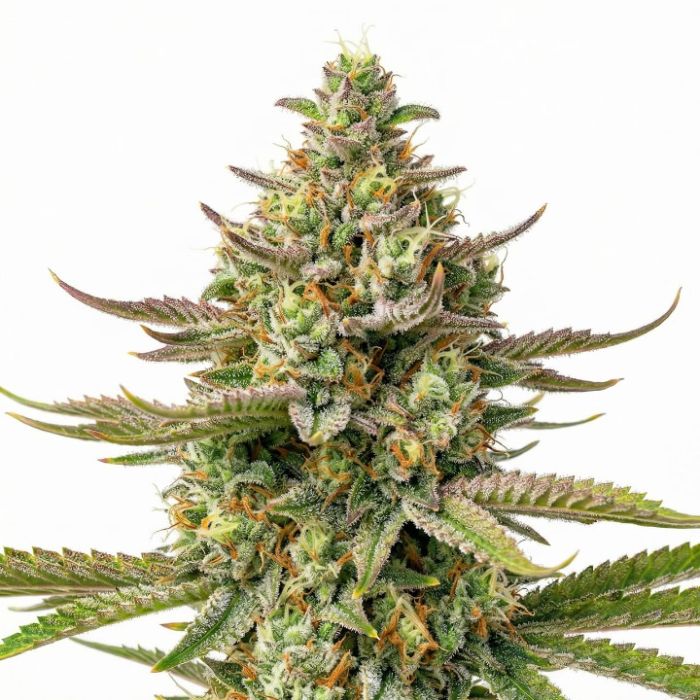
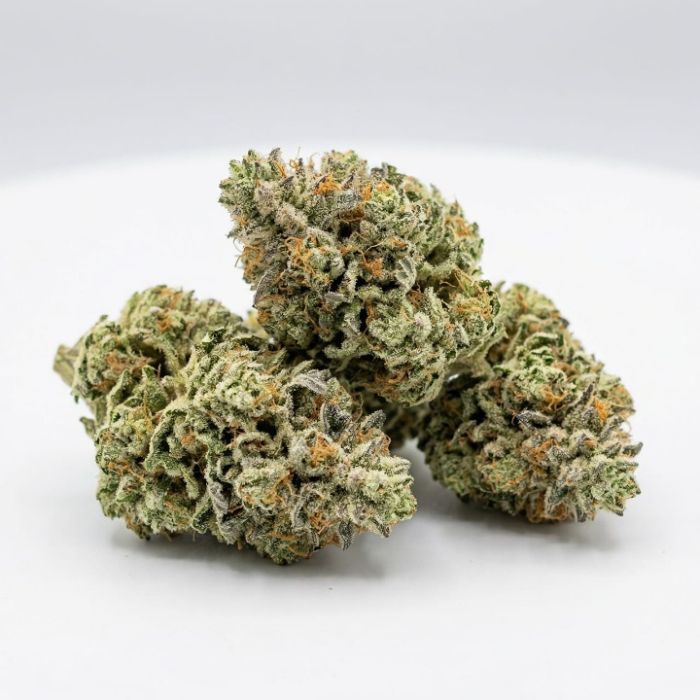
The branches fill out with elegant pine-shaped buds coated in a thick layer of trichomes. They're surprisingly dense for a sativa, with light purple hues appearing when nights run cool.
Indoors, the crop's height stays manageable with some basic training. Outdoors, Strawberry Cough grows even taller and produces heavy yields.
The Effects and Experience: How Strawberry Cough Weed Feels
The Strawberry Cough strain delivers an upbeat, clear-headed high that settles in fast. The first few minutes feel bright and airy, with a clean lift that sharpens focus and steadies the mind. With moderately high THC levels, the experience is energizing without the jittery edge associated with some sativas.
As the high develops, the mental clarity sticks around. It's why people use Strawberry Cough for daytime tasks or creative work. It keeps you engaged with steady motivation. The mood boost remains smooth and social, making it great for social settings and creative projects.
On the back end, the comedown stays gentle. Your body relaxes, your appetite kicks in, and you land softly without fog, burnout, or couchlock. All in all, it's an uplifting high that's reliably kind to your headspace.
Growing Strawberry Cough Seeds
Strawberry Cough seeds grow into plants prized for their clean, sweet flavor profile that leans toward ripe strawberries. This seed strain stays manageable and adapts well whether it's grown outdoors or inside, which makes it an ideal strain for newer growers.
What Feminized Strawberry Cough Seeds Are Like to Grow
Feminized Strawberry Cough seeds grow into medium-height plants that stretch early but settle into a sturdy sativa frame. They're surprisingly forgiving, even for newcomers, and they handle light shaping or LST without stress. Since every seed produces a female plant, growers avoid the headache of hunting down males.
These genetics thrive when conditions stay stable. Indoors or in warm outdoor regions, you can expect a 10–12 week flowering window with strong terpene production and vibrant buds.
Indoor vs. Outdoor Growing
Strawberry Cough adapts well to either setting, but the choice comes down to how much control you want and how much space you can offer.
Indoors, the strain stays easier to manage because you can fine-tune light, airflow, and humidity. It's natural stretch benefits from a little topping or LST to keep the canopy level. Strong lights help the berry aroma develop fully, and indoor growers enjoy consistent harvest cycles.
Outdoors, Strawberry Cough can reach impressive heights and produce heavy yields thanks to open space and full sun. It's a resilient plant, though its tall frame needs room to stretch. Most U.S. growers can expect to harvest in early to mid-October.
Germinating Strawberry Cough Seeds
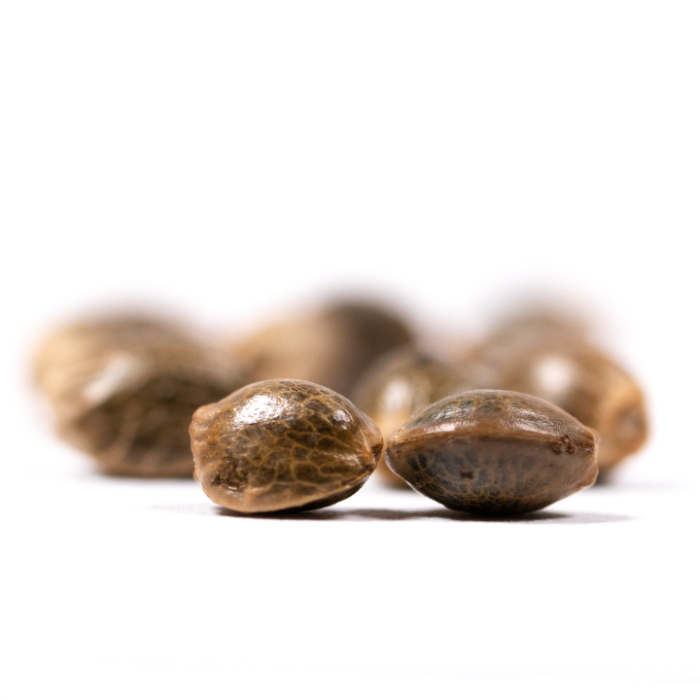
Germinating these cannabis seeds is straightforward with the paper towel method. All you need is purified water, two damp towels, a plate, and a warm, dark space to set everything in.
Keep the towels moist, avoid standing water, and check once or twice a day. Most cannabis seeds crack within one to five days and grow clean white taproots ready for transplanting.
Best Growing Medium for Strawberry Cough
This strain responds best to a light, airy medium that keeps roots well oxygenated. A loamy organic soil works great, and blends with perlite or coco help maintain moisture without getting heavy. Strawberry Cough also performs well in coco or hydro systems as long as pH stays consistent: 6.0–6.5 in soil and 5.8–6.2 in coco or hydro.
Feeding Strawberry Cough Plants
Strawberry Cough has a healthy appetite, so feeding needs shift as the plant moves from early growth into full bloom.
- Seedlings: Stick with plain, pH-balanced water at first. If you use a starter supplement, keep it extremely light.
- Vegetative growth: Nitrogen becomes the priority while the plant stretches and builds structure. A simple, balanced grow formula covers everything needed here.
- Early flower: Once buds begin forming, shift toward phosphorus and potassium. Many growers add a mild carb source to boost early trichome and aroma development.
- Peak flower: As pistils stack and buds gain weight, a bloom booster can help the plant develop denser buds. Feed steadily, but avoid pushing too hard to prevent nutrient burn.
- Finish: Ease back on nitrogen and simplify the formula to support clean ripening. During the final week, flushing with plain water supports smoother flavor and better burn quality.
Light, Temperature & Humidity Tips
Strawberry Cough seeds thrive when you keep the environment steady. Use this table to dial in the right light, temperature, and humidity conditions at every stage indoors or outside:
| Growth Stage |
Indoor Controls |
Outdoor Conditions |
| |
Lighting |
Temperature |
Humidity |
|
| Seedlings |
Low-intensity LED or CFL lights. |
70–75°F |
65–70% |
Partial shade, mild spring temps (65–75°F), protected from wind and harsh sun. |
| Vegetative growth |
Strong LED/HID lights on an 18/6 cycle. |
70–80°F |
50–60% |
Full sun, warm days (70–85°F), good natural airflow. |
| Flowering stage |
Switch to a 12/12 light cycle with even canopy coverage. |
68–78°F |
40–50% |
Dry, sunny weather (65–80°F) and low-to-moderate humidity to protect the long, airy buds. |
| Late flower |
Maintain a consistent 12/12 light schedule. |
68–75°F |
35–40% |
Best in early fall with dry conditions. Avoid prolonged rain near harvest time. |
Strawberry Cough Growth Tips
Strawberry Cough seeds grow into quite big crops, especially during the vegetative period. Here are a few points to monitor as the plants shift toward flower:
- Canopy height and stretch: This strain surges upward before stacking buds. Keep the canopy even with topping or LST, so branches don't shoot into the lights or cover lower growth.
- Airflow through the mid-canopy: Strawberry Cough produces narrow, pine-shaped buds, yet the inner canopy can still trap moisture. Light defoliation and steady airflow help prevent humidity pockets as flowers bulk up.
- Pest pressure on tender new growth: Fresh sativa shoots may attract mites and other soft-bodied pests. If you notice stippling, leaf curling, or webbing, use a natural spray like Bug Blaster to break the cycle early.
- Humidity sensitivity in late flower: The strain can tighten toward the end of bloom, which makes heavy humidity risky. If you're growing indoors, drop RH in the final weeks. Outdoors, avoid overhead watering and watch for long, wet weather spells.
- Fungal threats during cooler nights: If nights run cold or damp, powdery mildew can creep in. Mold Shield is helpful as a preventive measure, especially in outdoor grows or dense indoor tents.
A little attention goes a long way with this strain. Keep the stretch in check, the airflow steady, and the humidity under control, and Strawberry Cough rewards you with clean growth and vibrant, top-quality flower.
Easy Training Methods to Boost Your Strawberry Cough Yields
The Strawberry Cough cannabis strain is already a strong yielder, but a few hands-on techniques can help this lush berry beauty stack on even more nugs.
Here are three ways to increase yields reliably when you're growing Strawberry Cough:
- Topping: Remove the main tip early in veg to create a few dominant colas instead of one. This leads to more total flower sites and prevents excessive stretching.
- LST (Low-Stress Training): Gently bend and tie branches outward to open up the canopy. More light and air reach those lower sites, meaning healthier, more potent buds.
- SCROG (Screen of Green): Let the branches grow through a net, then weave them sideways. The screen promotes even light distribution and turns one tall sativa into a wide, productive canopy.
With these simple training methods, Strawberry Cough crops produce fuller and noticeably heavier hauls.
Harvesting and Curing Strawberry Cough Weed
Strawberry Cough shines when you harvest at the right moment and give the buds a slow, steady cure. This is where the fresh strawberry aroma, clean burn, and upbeat effects really lock in.
When to Harvest
Strawberry Cough typically finishes in 10–12 weeks of flower. Signs it's ready:
- Cloudy trichomes with a touch of amber
- Pistils darkening and curling inward
- Buds stop swelling, resin production levels off
- Aroma deepens from bright berry to richer sweetness
Quick note: Earlier harvesting keeps the effects clearer and more energetic. Waiting for more amber brings a calmer, more grounded finish.
How to Harvest
Remove large fan leaves, then clip branches at the base. Hang them upside down in a space around 60–70°F with 50–60% humidity. Gentle airflow helps them dry evenly. They're ready for curing once small stems snap, usually within 7–10 days.
Curing for Best Flavor
Place dried buds into glass jars filled about two-thirds full. Store them in a cool, dark place.
Burping schedule:
- Daily for the first week
- Every few days afterward
A cure of 3–4 weeks sharpens the sweet strawberry flavor and smooths the smoke.
Optional boost: A Purple Terpene Enhancer Infusion Pack can add a light citrus-berry layer after curing. Drop one in a sealed jar and rotate it each day for a subtle sweetness upgrade.
A slow cure lets Strawberry Cough hit its full potential with crisp effects, bright terpenes, and that unmistakable strawberry finish.
FAQs
Still got questions? Here are the most common ones that cannabis enthusiasts ask about the Strawberry Cough strain, seeds, and everything in between.
What Other Seeds Are Similar to Strawberry Cough Seeds?
If you enjoy the uplifting effects and sweet berry notes that make Strawberry Cough famous, Blue Dream Autoflower, Fat Mazzy Feminized, or Cherry AK Feminized come highly recommended. All three offer a bright sweetness, energetic effects, and that classic sativa dominance.
Is the Strawberry Cough Cannabis Strain Indica or Sativa?
Strawberry Cough is a sativa-dominant hybrid created from Strawberry Fields x Haze. While it's a medium-height plant, it stretches vigorously in the vegetative stage.
Are Strawberry Cough Feminized Seeds Good For Beginner Growers
Yes! Strawberry Cough feminized plants are easy to grow and adapt to both indoor and outdoor conditions. Beginners can get excellent yields without complicated setups.
How Strong is the Strawberry Cough Cannabis Strain?
Strawberry Cough has moderately high THC levels, delivering a potent yet manageable high suited for daytime use. Expect an energetic kick and a clean mental lift without heavy body effects.
How Long Does Strawberry Cough Take to Grow From Seed?
Strawberry Cough feminized plants take about 14–17+ weeks from seed to harvest, depending on veg length. The flowering time lasts around 10 weeks, sometimes stretching to 12 weeks if you allow for full terpene development.















 Fast + Discreet Shipping Nationwide
 Fulfilled with Care from Our U.S. Warehouse
 Top-Rated U.S.-Based Customer Support