What Is Durban Poison Autoflower?
Durban Poison autoflower seeds bring pure South African landrace genetics to your garden in an easy-to-grow package. This autoflowering variety crosses the legendary Durban landrace sativa with ruderalis, maintaining the original's famous energizing and uplifting effects.
This sativa-dominant strain offers beginner growers and experienced cultivators a reliable path to premium quality buds with minimal fuss, with a short flowering time of 8 to 10 weeks, and impressive potency and yield potential.
With moderately high THC levels, Durban Poison autoflower seeds produce clear-headed, energizing effects perfect for daytime use. Indoor and outdoor growers find success with this adaptable cannabis strain, thriving in various growing conditions.
What Are the Effects of Durban Poison Autoflower?
Durban Poison auto delivers a classic sativa-dominant experience that keeps you energized, focused, and ready to tackle your day. The moderately high THC content provides potent effects without overwhelming intensity or sedative effects.
Immediate Effects & Duration
The energetic effects begin within minutes, bringing mental clarity and creative energy that encourages focus without clouding your thinking. Durban poison autoflower's sativa genetics create invigorating effects that typically last two to three hours with sustained energy and no crash.
Durban Poison is a great choice if you're looking for:
- A creative boost for projects and artistic work
- Enhanced sociability during conversations and gatherings
- Extra energy for physical activity and outdoor adventures
- Improved focus and productivity during the day
- A sativa strain that fits morning or afternoon use
Potential Therapeutic Benefits
Durban Poison autoflower is known for its energetic, clear-headed effects. This sativa strain offers a lively, uplifting experience that helps users stay alert, focused, and active throughout the day.
Its bright, stimulating profile makes it a popular choice for anyone looking for a strain that promotes mental clarity and motivation without heavy sedation.
What Does Durban Poison Autoflower Taste Like?
The Durban Poison auto strain delivers a complex flavor and aroma experience that reflects its authentic landrace heritage from the coastal South African city of Durban. Expect sweet citrus notes blended with earthy undertones and subtle spicy accents on the exhale.
Dominant Terpenes of Durban Poison Strain
The Durban Poison terpene profile features three primary compounds creating distinctive character and therapeutic properties. Terpinolene leads with fresh pine and herbal notes contributing to uplifting and energizing qualities. Myrcene adds earthy depth and smoothness while Limonene rounds out the profile with bright citrus notes, delivering characteristic tangy sweetness and mood-lifting properties.
Flavor Notes Durban Poison Sativa Strain
The primary flavor and aroma characteristics include:
- Sweet citrus on the inhale
- Earthy and herbal middle notes
- Spicy pine finish
- Smooth, clean smoke
- Lingering sweet aftertaste
Durban Poison plants do produce an aroma while growing, but it's easy to manage with standard carbon filters and proper air circulation. During the flowering time, the scent is pleasant and noticeably less pungent than many modern hybrid strains.
How to Grow Durban Poison Auto Strain
Growing Durban Poison auto seeds successfully requires understanding the strain's preferences while appreciating its forgiving nature for beginner growers. This robust plant adapts well to various growing conditions, making it suitable for multiple environments and setups.
Indoor vs. Outdoor Cultivation
Autoflowering Durban Poison adapts well to different cultivation setups, giving growers flexibility whether you prefer controlled indoor spaces or sunny outdoor environments.
Indoor
Indoor growers appreciate Durban Poison autoflower for its compact size and predictable growing pattern, making it a great fit for grow tents. Plants typically reach 23 to 39 inches in height, ideal for spaces with limited vertical clearance.
Outdoor
Outdoor growers find success in warm, sunny climates where plants receive abundant direct sunlight. Greenhouse cultivation offers a hybrid approach, combining natural light benefits with protection from adverse weather.
Growth Stage and Care
Autoflowering genetics make cultivation straightforward, as flowering transitions occur based on plant age rather than daylight changes.
Durban Poison autoflower thrives with moderate humidity and consistent temperatures throughout its lifecycle. During the vegetative stage, maintain 70–80°F with 50–60% moderate humidity levels, while flowering benefits from slightly cooler temperatures of 65–75°F and reduced humidity of 40–50%.
Growth Timeline: Seed to Harvest
The complete Durban Poison lifecycle from seed to harvest typically takes 10 to 12 weeks, making this auto-flowering variety one of the faster options available. The vegetative growth stage lasts 3 to 4 weeks while plants establish structure.
Training Techniques for Maximum Yields
Low stress training works exceptionally well with plants from Durban Poison seeds, improving light penetration to lower branches and increasing overall bud production. Start LST early in the vegetative stage when branches are flexible.
Avoid topping or high-stress techniques since limited vegetative periods don't allow sufficient recovery time before flowering begins.
The recommended training approaches include:
- Low stress training (LST) starting week 2-3
- Gentle branch bending and tying
- Strategic leaf tucking for light exposure
- Minimal defoliation of blocking fan leaves
- Support stakes for heavy branches during flowering
Indoor growers can expect generous harvests under optimal conditions. Outdoor plants typically produce healthy, sizable yields, depending on climate, soil quality, and available sunlight.
Best Growing Conditions for Durban Poison Auto strain
Getting the most out of Durban Poison seeds is all about knowing its South African landrace roots and giving it plenty of warmth and sunlight.
Temperature & Humidity Control
Maintaining an ideal temperature throughout your plants' growth prevents stress and supports natural development from seedling through flowering stages. During vegetative growth, keep daytime temperatures between 72°F to 78°F with nighttime temperatures dropping 5°F to 10°F lower.
Start seedlings at 60 to 70% humidity levels, then reduce to 50 to 60% during vegetative growth. Lower humidity to 40 to 50 % during early flowering and drop further to the 35 to 45% range in the late flowering period.
Lighting Requirements
Durban Poison auto requires a light cycle of 18 to 20 hours of light daily throughout its entire lifecycle for optimal growth and yield production. Full-spectrum LED lights work exceptionally well indoors, providing efficient energy use while delivering the wavelengths plants need at each stage.
Outdoor growers should ensure plants receive at least 8 hours of direct sunlight daily.
| Environment |
Light source |
Temperature range |
Humidity range |
| Indoor |
LED/HPS 18-20hrs |
68-78°F |
40-60% |
| Outdoor |
Natural sunlight 8+ hrs |
65-80°F |
40-70% |
| Greenhouse |
Natural + supplement |
68-78°F |
45-65% |
Germinating Durban Poison Seeds & Early Growth
Starting with top-quality seeds sets the stage for healthy growth and a strong, successful harvest. This quick guide will give you the essentials to kick off your grow with confidence.
Germination Best Practices
Durban Poison cannabis seeds typically germinate within 24 to 72 hours when provided with proper moisture, warmth, and darkness for sprouting. The paper towel method remains popular among growers for its simplicity and high success rate.
Follow these steps to germinate your Durban Poison seeds:
- Place seeds between moist paper towels inside a container or plate
- Maintain darkness and a temperature of 70 to 75 degrees Fahrenheit
- Check daily for taproot emergence (typically 2-5 days)
- Transfer carefully to the growing medium once the taproot reaches 1/4 inch
- Plant taproot-down about half inch deep in pre-moistened soil
- Keep soil lightly moist during first week
Vegetative Phase Management
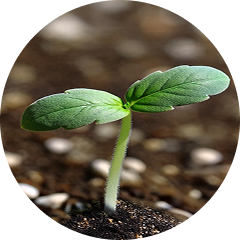
The vegetative growth stage begins once seedlings develop their first true set of serrated leaves beyond the initial round cotyledons. This vigorous plant strain shows rapid growth during vegetation, quickly establishing strong stems and healthy branch structure over 3 to 4 weeks.
Nutrition during early vegetative growth should start light, with quarter-strength feeding gradually increasing as plants grow larger and more established. Focus on nitrogen-rich nutrients to support healthy leaf development and strong structural growth throughout the canopy.
Vegging stage essentials include:
- Begin feeding at 1/4 strength nutrients in week 2
- Increase to 1/2 strength by week 3-4
- Focus on nitrogen-based vegetative nutrients
- Maintain a consistent watering schedule
- Begin LST training around week 2-3
Flowering Time & Harvesting Your Durban Poison Auto
The automatic transition to flowering makes Durban Poison auto exceptionally straightforward for growers at all experience levels seeking predictable results.
Flowering Stage Requirements
The flowering stage typically spans 8 to 10 weeks from the first appearance of white pistils at branch nodes. The Durban poison strain automatically begins flowering around week 4, regardless of light cycle, allowing growers to maintain the same 18 to 20-hour light schedule.
Nutrient requirements shift during flowering, with plants needing less nitrogen and more phosphorus and potassium to support bud development. Begin transitioning to bloom nutrients when pistils first appear, gradually reducing vegetative fertilizers over one to two weeks.
A typical flowering stage nutrient schedule is:
- Weeks 1-2: Transition blend (50% veg, 50% bloom)
- Weeks 3-6: Full bloom nutrients
- Weeks 7-8: Reduced feeding strength
- Final week: Plain water flush
When & How to Harvest
Proper harvest timing requires examining trichomes with jeweler's loupe or digital microscope to assess their color and maturity level. Cloudy trichomes signal peak THC content, while 10 to 20% amber trichomes produce slightly more relaxing effects.
Harvest readiness indicators to watch for include:
- Trichomes mostly cloudy with 10-20% amber
- Pistils 70-90% brown and curled
- Swollen calyxes with visible resin
- Strong aroma development
Curing for Optimal Flavor
The curing process transforms a fresh harvest into smooth, flavorful buds showcasing Durban Poison auto's complex terpene profile. Hang branches in a dark room at 60 to 70°F with 55 to 65% humidity for 7 to 14 days. Once dried, place buds in airtight glass jars, leaving space to breathe.
The curing process timeline is:
- Week 1: Burp jars twice daily for 10-15 minutes
- Week 2: Burp once daily
- Weeks 3-4: Burp every 2-3 days
- Month 2+: Check monthly, store long-term
What Do Durban Poison Autoflowers Look Like?
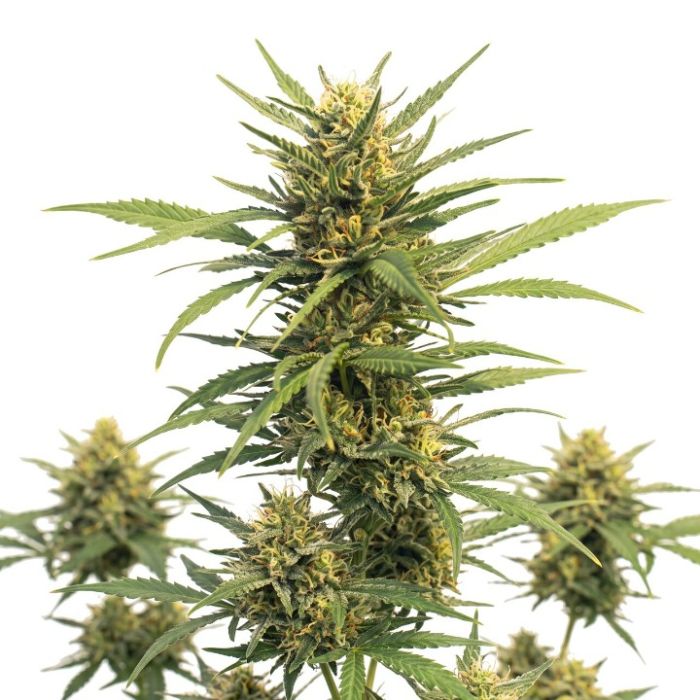
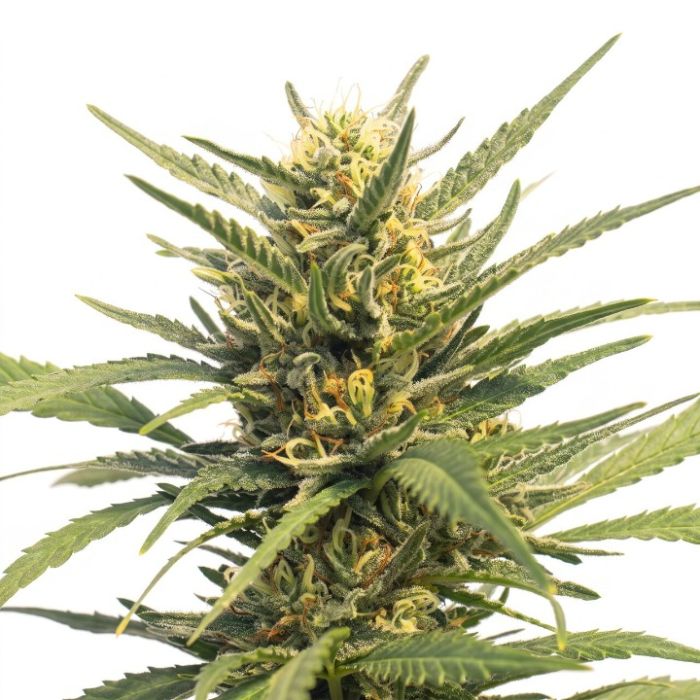
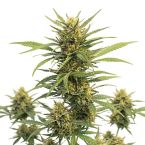
Durban Poison autoflower showcases classic landrace genetics in a compact, manageable package perfect for any growing space. The sativa genetics express themselves through elongated bud structure and vibrant coloration that catches the eye immediately upon inspection.
Plants develop a bushy yet vertical structure with strong lateral branches supporting multiple bud sites throughout the canopy. Branch development starts early and continues vigorously, creating a well-balanced plant that supports heavy bud production without extensive staking.
Buds form in elongated, somewhat airy clusters of pure sativa genetics rather than dense indica nuggets. Vibrant lime green calyxes provide the base color, overlaid with fiery orange pistils that curl and twist throughout each flower.
The trichome coverage is dense, creating a frosty appearance that signals high potency and resin production across every surface.
Why Growers Choose Durban Poison
Durban Poison remains a favorite among growers for its legendary sativa-dominant genetics and the convenience of autoflowering. These Durban Poison seeds make it easier than ever to grow cannabis with authentic South African landrace traits while keeping cultivation accessible for both beginners and experienced growers.
- Key reasons to choose Durban Poison autoflower:
- Authentic landrace sativa genetics in an easy-to-grow auto format
- Beginner-friendly growth pattern that's forgiving and reliable
- Fast seed-to-harvest timeline of 10–12 weeks
- Versatile cultivation indoors, outdoors, or in greenhouse setups
- Energizing, daytime effects without heavy sedation
- Distinct citrus and pine terpene profile
- Consistent overall yields of 14–18 ounces per square meter indoors
Combining dependable genetics, straightforward cultivation, and potent effects, Durban Poison autoflower seeds are a smart choice for growers seeking quality, efficiency, and a satisfying cannabis experience.
Start Growing Durban Poison Autoflower Today
Durban Poison auto represents an ideal combination of legendary genetics, straightforward cultivation, and reliable performance, appealing to growers at every skill level. Seed Supreme's high-quality seeds ensure you start with premium genetics backed by our germination guarantee and expert customer support.
This cannabis strain offers proven results without demanding advanced techniques, wherever you plan on growing or your experience level.
Join thousands of satisfied growers who trust Seed Supreme for premium weed seeds and reliable genetics performing consistently from germination to harvest.

















 Fast + Discreet Shipping Nationwide
 Fulfilled with Care from Our U.S. Warehouse
 Top-Rated U.S.-Based Customer Support