



Photoperiod Seeds: What They Are & How They Grow [Full Guide]

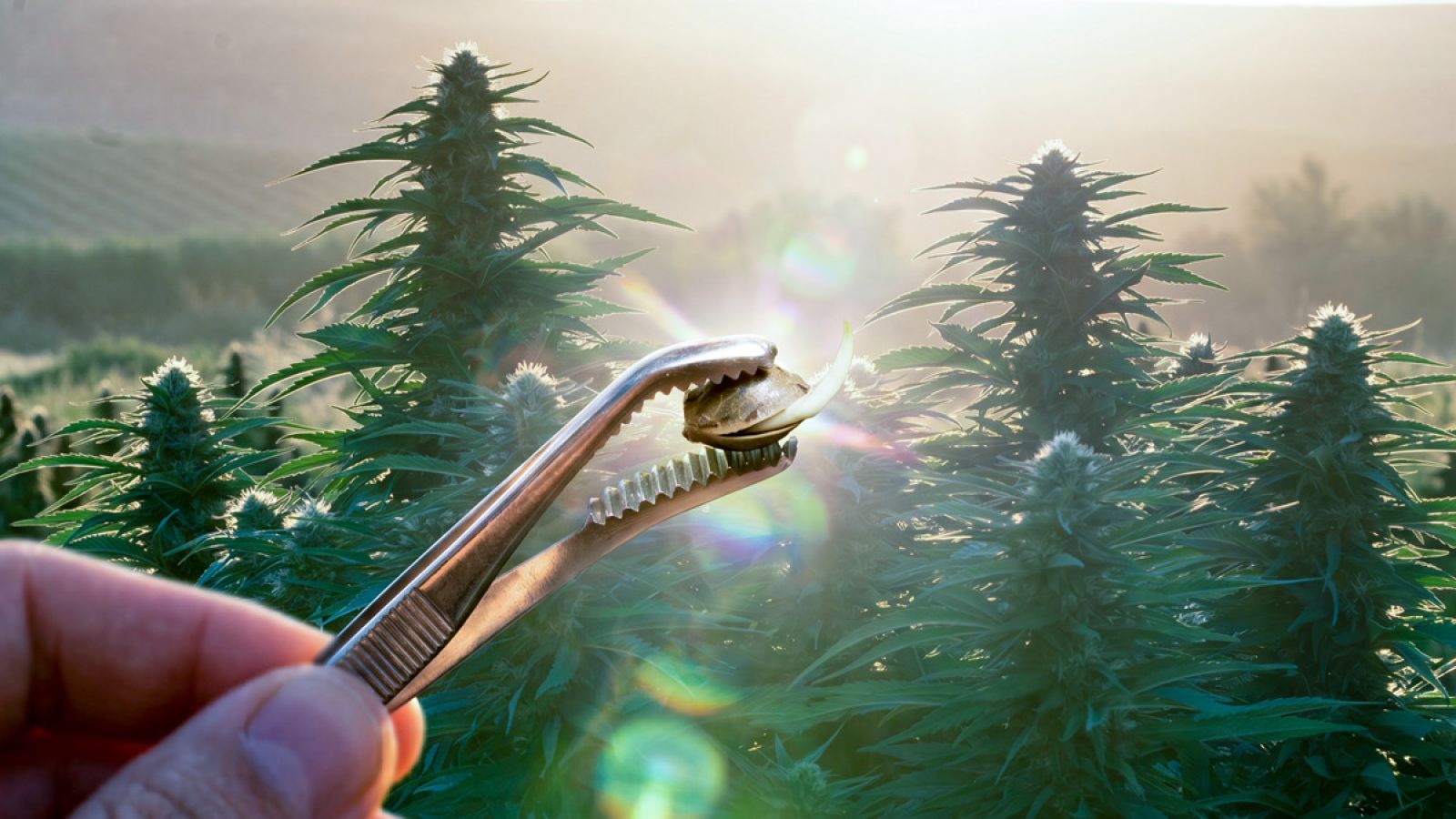
Photoperiod seeds are the foundation of cannabis cultivation. Whether you're new to growing or stepping up from autoflowers, knowing how photoperiod cannabis seeds work helps you choose better. This guide covers what photoperiod seeds are, how the light cycle triggers flowering and how they compare to autoflower seeds.
You'll also find which types, including feminized photoperiod seeds and fast-flowering options, fit different goals and grow setups. You'll walk away knowing exactly what makes photoperiod genetics tick and whether they're right for your next grow.
What Are Photoperiod Seeds?
Photoperiod seeds (also called photo seeds) are cannabis seeds that rely on light-cycle changes to trigger flowering. The term "photoperiod" describes the ratio of light to darkness in a 24-hour cycle. Every photoperiod cannabis strain, whether indica, sativa or hybrid, shares this trait.
Photoperiod plants stay in the vegetative stage as long as light hours remain long. That gives you control over when flowering starts and how large your plants grow. You also decide how much canopy to build before you flip.
How Do Photoperiod Seeds Work?
Photoperiod seeds respond to changes in the daily ratio of light to darkness. During vegetative growth, plants run on long light periods, typically 18 hours of light and 6 hours of darkness, to keep growing without triggering bloom.
Flowering is not triggered by a drop in light hours - it's triggered by a rise in darkness.
Cannabis measures the length of the uninterrupted dark period each night, and when that period reaches a strain-specific threshold (somewhere between 8 and 12 or more hours, depending on the variety), the plant reads it as a seasonal cue and shifts into flower.
That’s why the 12/12 schedule has become the standard, because 12 hours of darkness is enough to reliably cross that threshold for almost any cultivar.
Indoors, you control this change with a timer. Outdoors, it happens naturally as days shorten through late summer. Once you switch to 12/12, photoperiod plants stay in flower until harvest.
If you change the light schedule after flipping, you risk sending confusing signals that cause stress or re-veg.
How Do Photoperiod Seeds Compare to Autoflower Seeds?
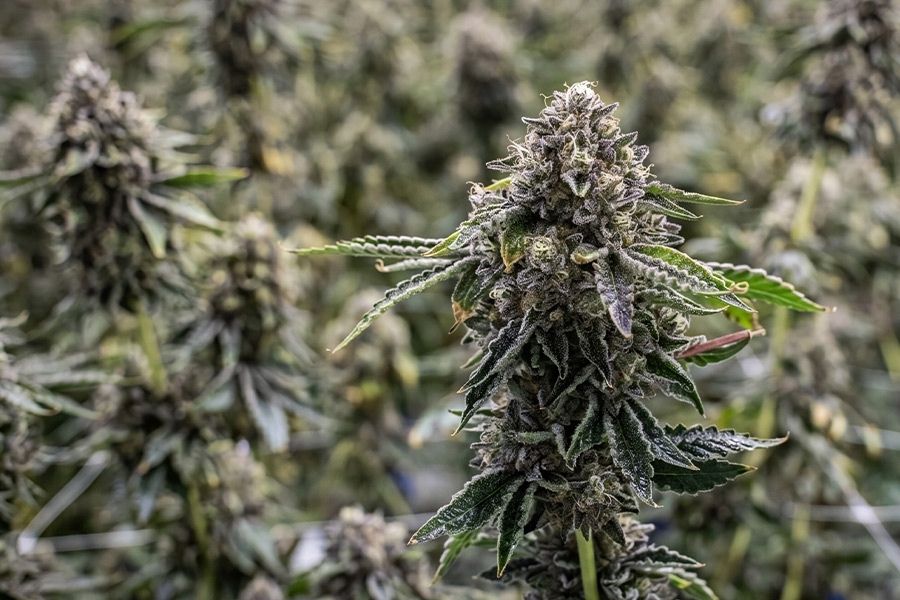
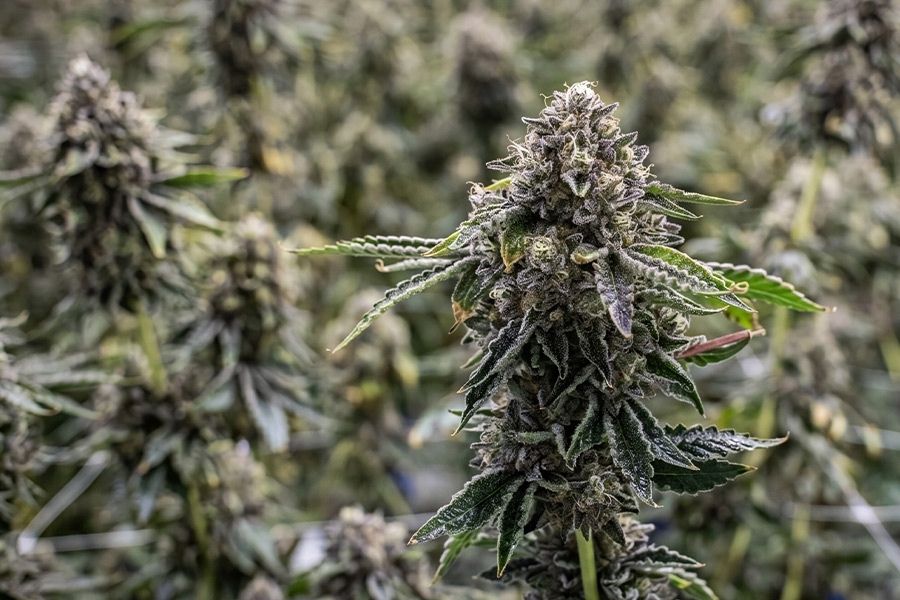
Photoperiod seeds and autoflower seeds differ in how flowering begins, how long the vegetative stage lasts and what training options are available. Photoperiod plants wait for a light-cycle change to flip into flower. Autoflowering plants flower based on age, usually within 2 to 4 weeks of germination, regardless of your light schedule.
The table below breaks down the key differences between the two seed types:
| Feature | Photoperiod Seeds | Autoflower Seeds |
| Flowering trigger | 12/12 light change | Age-based, automatic |
| Vegetative stage | Grower-controlled | Fixed (2-4 weeks) |
| Training (topping, LST, SCROG) | Well-suited | Limited |
| Cycle time | Longer overall | Faster overall |
| Cloning | Yes | Not practical |
| Yield potential per plant | Higher | Lower |
| Best for | Control-focused growers | Speed and simplicity |
If you want a faster, lower-maintenance grow, autoflower weed seeds are often the simpler starting point. Photoperiod seeds suit growers who want more control over every stage of the grow.
Who Are Photoperiod Seeds Best For?
Photoperiod seeds suit growers who want control over plant size, canopy shape and harvest timing. Photoperiod genetics give you time to shape your canopy with topping, LST, SCROG or SOG before flowering locks in. You can keep photoperiod plants in veg for as long as they need to recover from stress or fill a screen.
Photoperiod plants are the right choice if you want to take cannabis clones from a mother plant and preserve genetics long-term. They can run for years as productive mothers. Autoflowers can't be cloned effectively, but they do flower automatically, which suits growers who prefer a simpler, faster cycle.
If you're new to growing, photoperiod seeds aren't off the table. They’re among the best marijuana seeds for beginners, with forgiving, resilient and easy-to-grow genetics.
What Are Feminized Photoperiod Seeds?
Feminized photoperiod seeds are bred to produce female plants nearly 100% of the time. Regular photoperiod seeds produce roughly equal numbers of male and female plants. That means identifying and removing males before they pollinate your crop. Feminized versions take that variable off the table entirely.
With feminized seeds, every seed you pop has a 99.9% chance of becoming a bud-producing female. The lifecycle control provided by photoperiod genetics remains the same.
You just skip the sexing step.
Feminized photoperiod seeds come in indica, sativa and hybrid genetics, with a wide range of THC levels, yield potential, terpene profiles and grow styles. Most home growers choose feminized photoperiod seeds over regular versions for exactly that reason.
Growing Photoperiod Seeds Indoors and Outdoors
Photoperiod seeds grow well in both indoor and outdoor environments as long as you manage the light cycle correctly. The main difference between environments is how light is managed.
Growing Photoperiod Seeds Indoors
Growing photoperiod seeds indoors means you control the light cycle manually, so you decide exactly when flowering starts. Start your plants under an 18/6 schedule to keep them in veg.
When you're ready to flower, switch your timer to 12/12. Your grow space needs to be light-sealed. Even a small light leak during the dark period can disrupt flowering or cause stress responses.
Quality lighting matters through both veg and flower. Plants need enough intensity to support dense bud development. A reliable timer setup keeps your cycle consistent from seed to harvest.
Growing Photoperiod Seeds Outdoors
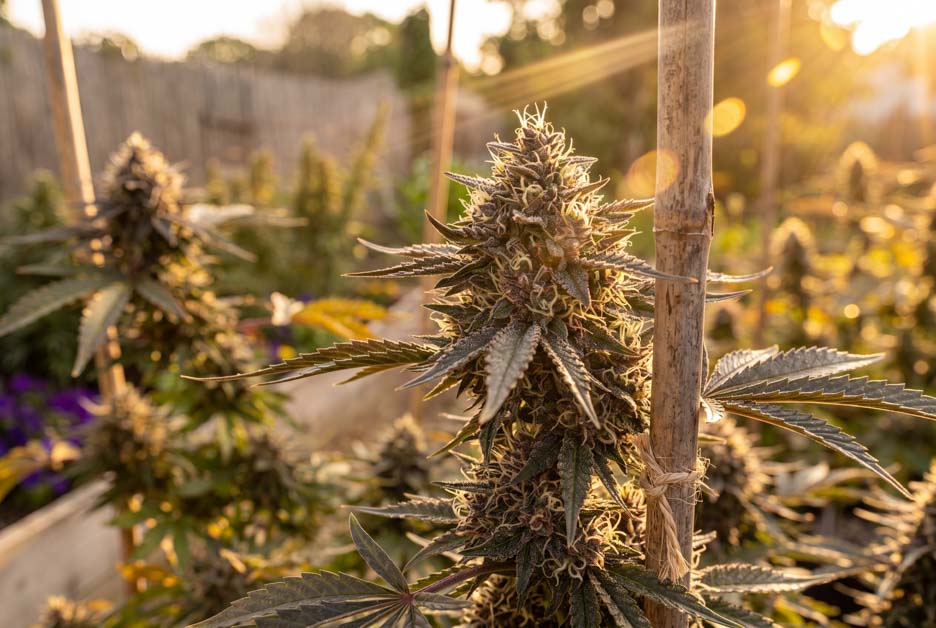
Growing photoperiod seeds outdoors means the plant shifts into flowering when natural daylight hours shorten in late summer. In most U.S. regions, photoperiod plants begin flowering in August or September.
Harvest typically falls in October or November, depending on genetics. Research the average first frost date in your area before choosing a strain with a long flower period.
Outdoor plants can grow large given a full vegetative season. Indica-dominant genetics finish faster and stay more compact. Sativa-dominant genetics take longer and stretch taller before harvest.
What Are Fast Flowering Photoperiod Seeds?
Fast-flowering photoperiod seeds are varieties bred to complete their bloom phase faster than standard photoperiod genetics. Most photoperiod strains take 8 to 10 weeks to flower. Fast-flowering types can finish the flowering phase in 6 to 7 weeks, depending on specific genetics.
A 12/12 light change still triggers them, so they remain true photoperiod strains.
Fast version seeds combine photoperiod light-cycle control with a shorter bloom window. That works well for outdoor growers in shorter-season climates. Indoor growers who want to fit more harvests into a year can also benefit.
How Photoperiod Seed Type Shapes What You Grow
Photoperiod seed type connects to every other cannabis seed decision you make, from genetics and training to harvest timing. Once you know you want photoperiod genetics, the next choice is which strain family fits your goals.
- Sativa seeds tend to produce taller plants with longer flower periods, which suits outdoor grows or high-ceiling indoor rooms.
- Indica seeds stay more compact and flower faster, which works well for indoor setups or shorter outdoor seasons.
- Hybrid seeds blend traits from both ends of the spectrum, offering a middle ground on size, yield and flower time.
- High THC seeds deliver potent harvests with THC levels ranging anything between 15% and 30%, depending on your chosen strain.
Browse the full range of premium cannabis seeds at Homegrown Cannabis Co. to filter by type, genetics and grow style. Eligible adult buyers should check federal, state and local rules before germinating any cannabis seeds.
FAQs About Photoperiod Seeds
Are Photoperiod Seeds the Same As Photoperiod Strains?
Not exactly. "Photoperiod seeds" refers to the seed product you buy and germinate. "Photoperiod strains" or "photoperiod cannabis" refers to the plant genetics and their light-cycle response.
Both terms describe the same biology. Seeds are the commercial unit and strains are the genetic expression. You'll see both terms used interchangeably in growing communities, but they mean the same thing in practice.
How Long Do Photoperiod Seeds Take From Seed to Harvest?
Total time varies by genetics, environment and how long you keep plants in veg. Most grows take 4 to 5 months from seed to harvest. Vegetative growth typically lasts 4 to 8 weeks. Flowering runs 8 to 10 weeks for most strains. Drying and curing adds another 2 to 4 weeks after harvest.
Can You Store Photoperiod Seeds Long Term?
Yes. Photoperiod seeds store well in the right conditions. Keep them in a cool, dark, dry environment in an airtight container to preserve germination viability. Properly stored weed seeds can remain viable for several years. Heat, light and moisture are the main threats to seed viability in storage.