



Can You Clone Autoflower Plants? Why Autoflower Clones Flower Fast

Autoflower cannabis plants can technically be cloned, but the clones almost never grow into useful plants. Autoflower genetics flip into flowering based on plant age, not light schedule, so a cutting taken from an autoflower carries the parent's biological clock with it.
This article explains why autoflower cloning rarely works, what autoflower clones actually do once they root, and when planting fresh autoflower seeds beats taking cuttings. By the end you will know whether autoflower cloning fits your grow at all.
Fast Rule: Yes, autoflower cannabis plants can be cloned, but the clones inherit the parent's biological age and start flowering within days of rooting. The result is a tiny plant with a tiny harvest, which is why most growers skip autoflower cloning and plant fresh autoflower seeds instead.
Can You Clone Autoflower Cannabis Plants?
Yes, autoflower cannabis plants can be cloned. Autoflower cuttings root just like photoperiod cuttings, and they survive under the same humidity and light conditions any cannabis cutting needs.
The catch is what the clone does after it roots. Autoflower clones inherit the parent plant's biological age, so they flip into flowering at the same time the parent does, regardless of how big or small the clone is.
This is not how cloning works with most cannabis plants. Cloning typically gives a grower a genetic copy that can be kept in vegetative growth for as long as the grower wants. Autoflower clones break that rule because their flowering trigger is age, not light.
Why Cloning Autoflower Cannabis Plants Rarely Works
Autoflower cannabis plants trigger flowering by age, not by light cycle. Photoperiod cannabis plants flower when the light schedule shifts from 18 hours on, 6 hours off (vegetative) to 12 hours on, 12 hours off (flowering).
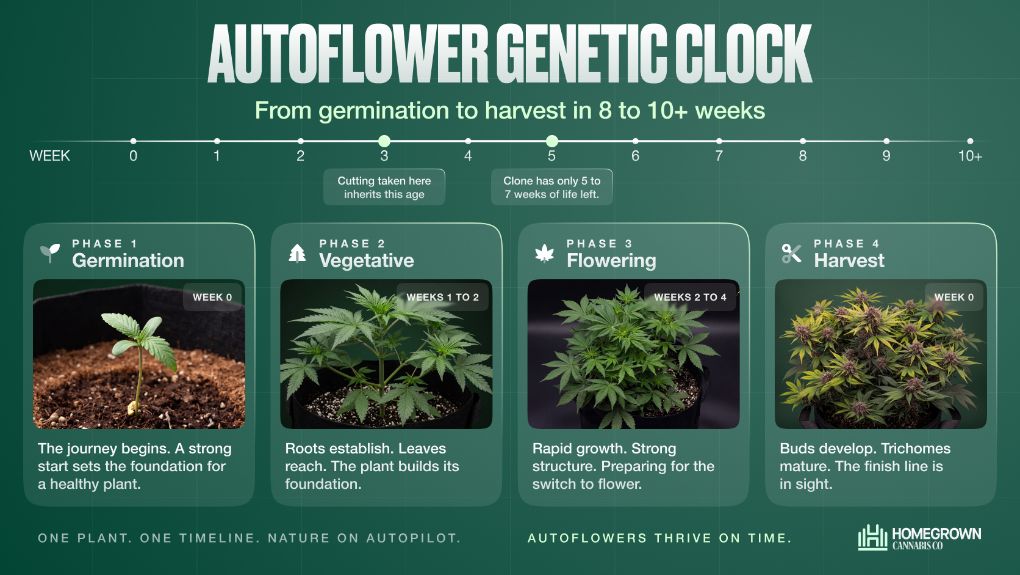
Autoflower genetics ignore that signal. An autoflower plant flips into flowering around weeks 3 to 5 from seed depending on the cultivar, no matter what light schedule it runs under.
That biological clock is built into the genetics of every autoflower plant. Taking a cutting does not reset it.
How Autoflower Genetics Trigger Flowering
Autoflower cannabis plants flip into flowering based on plant age, not light hours. The trigger lives in the genetics, not in the environment. Photoperiod cannabis plants need the day length to drop below a certain threshold (12 hours of darkness) before they start producing pre-flowers. Autoflowers do not wait for that signal.
This is the trait that makes autoflower seeds attractive to small-space and short-season growers. The same trait makes autoflower cloning a dead end for full-size yields.
Why Autoflower Clones Flower Too Early
Autoflower clones inherit the parent plant's biological age, which forces them into flowering within days of rooting. If the parent autoflower is 4 weeks old when the cutting is taken, the clone is also genetically 4 weeks old. The clone does not start its clock fresh. It flowers as if it were the parent plant.
Autoflower clones are not blank-slate plants like photoperiod clones. Autoflower clones are time-shifted copies that finish their lifecycle on the parent's schedule.
What Happens When You Clone an Autoflower Plant?
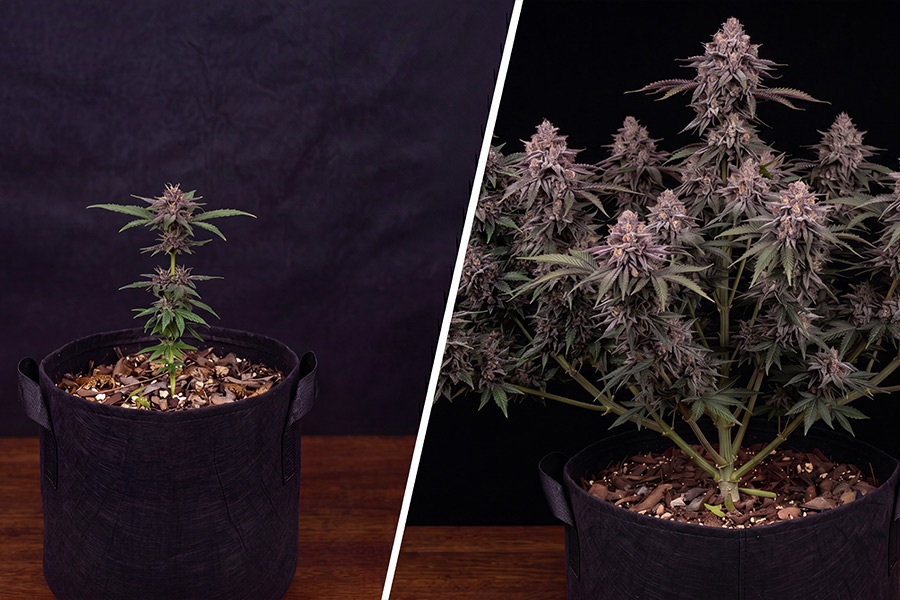
Autoflower clones root and grow, but they enter flowering at the same time as the parent and produce small underdeveloped plants. A clone taken from a 4-week-old autoflower will start showing pre-flowers within days of rooting, often before the cutting has built any real branch structure. The clone may finish in 6 to 8 weeks and produce a single small bud cluster.
The exact yield depends on the parent's genetics, the clone's root development and the lawful growing environment. Most autoflower clones produce a tiny harvest that is not worth the time and space they take up.
Some growers run autoflower clones as a curiosity project or to test genetics on a small scale. As a regular yield strategy, autoflower cloning falls short of what fresh autoflower seeds produce.
Autoflower Cloning vs Photoperiod Cloning
Photoperiod cannabis plants and autoflower cannabis plants respond differently to the cloning process. A photoperiod clone keeps the parent's genetics but starts its own clock. The grower can hold a photoperiod clone in vegetative growth for weeks or months by keeping the lights on an 18-6 schedule. The clone then enters flowering only when the grower flips the lights to 12-12.
An autoflower clone keeps the parent's genetics but cannot reset its clock. The clone enters flowering based on the parent's age, not the grower's light schedule.
That single difference is why cloning is standard practice with photoperiod plants and rare with autoflower plants. Photoperiod clones give the grower control over size and timing. Autoflower clones do not.
How to Clone an Autoflower Plant (If You Try Anyway)
Cloning an autoflower cannabis plant follows the same conceptual cutting process used for any cannabis plant.
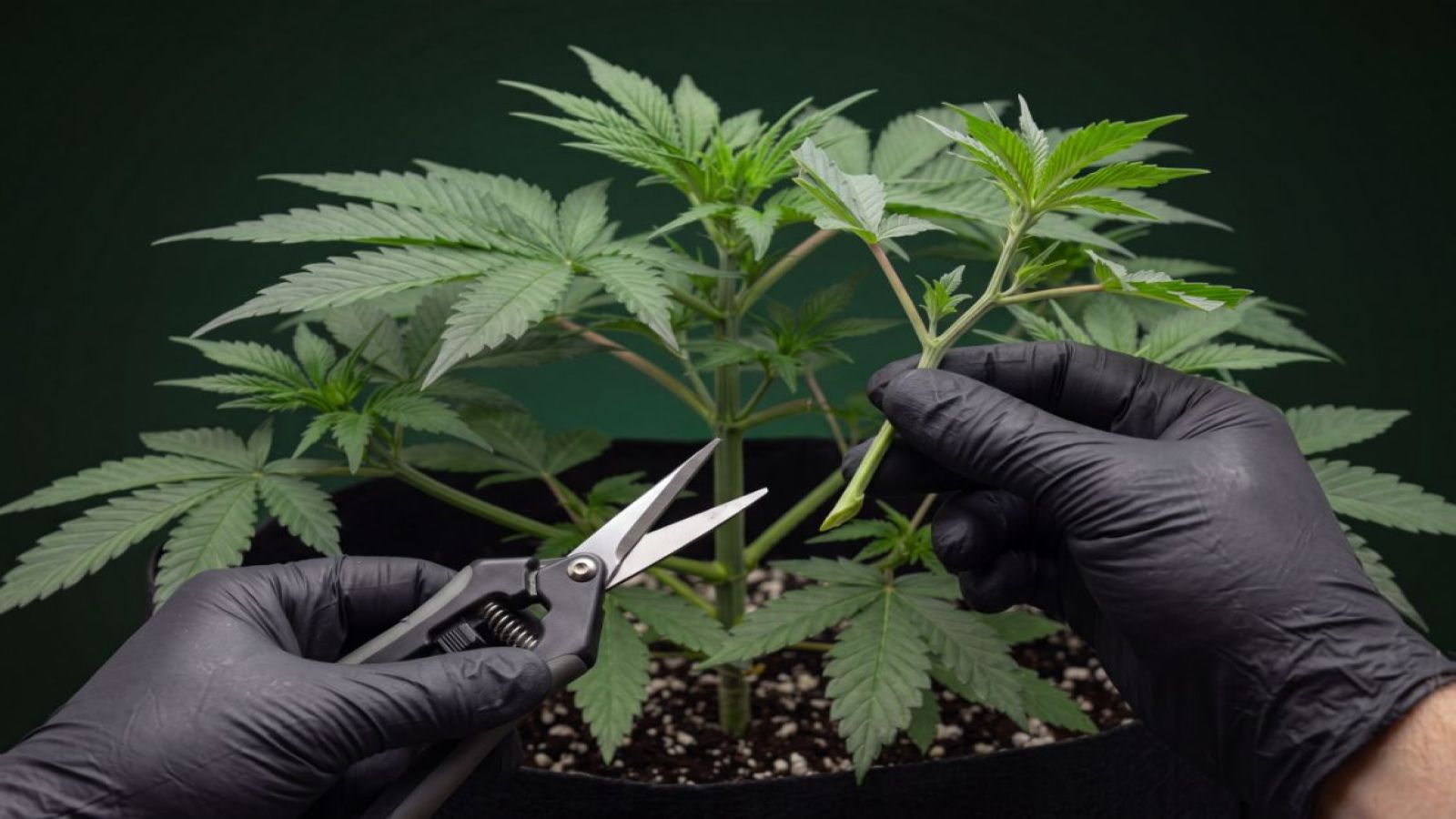
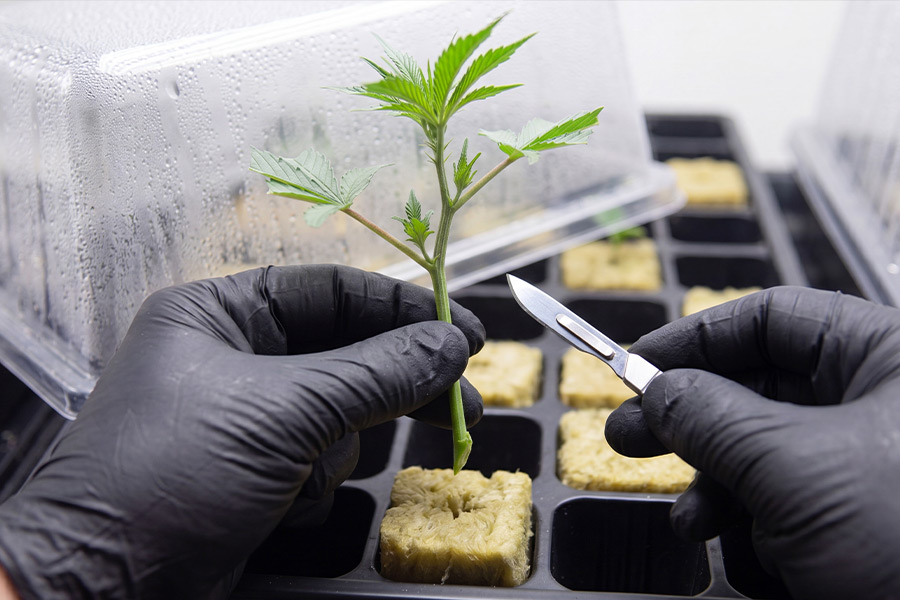
The grower selects a healthy lower branch, cuts it cleanly below a node, dips the cut end in rooting hormone and places the cutting in a propagation medium under high humidity and gentle light. The cutting roots in 7 to 14 days depending on genetics and conditions.
The mechanical process is straightforward. The biological outcome is what makes autoflower cloning different from photoperiod cloning.
When to Take an Autoflower Cutting
Autoflower cuttings work best when taken in the vegetative stage before week 3 from seed. The younger the parent plant when the cutting is taken, the more time the clone has to build structure before its built-in flowering trigger kicks in. Cuttings taken from an autoflower in week 5 or later root into plants that are already in flowering mode with almost no vegetative time left.
Early cuttings give the clone its best chance at producing usable flower. Late cuttings produce ornamental plants more than harvest plants.
What Autoflower Clones Need to Root
Autoflower clones root under the same humidity and light conditions as any cannabis cutting. The cutting needs 75 to 85 percent humidity, moderate light on an 18/6 schedule, gentle bottom warmth and a clean propagation medium. Rooting hormone improves the success rate but is not strictly required.
These conditions are basic propagation conditions. Autoflower clones are not harder to root than photoperiod clones. They are just less useful once rooted.
When to Skip Autoflower Cloning Entirely
Most growers should skip autoflower cloning and buy fresh autoflower weed seeds instead. A fresh autoflower seed produces a full-size plant that finishes its full lifecycle from week 1. An autoflower clone produces a partial plant that finishes its lifecycle in compressed time. The seed wins on yield, structure and predictability almost every time.
Growers who want big yields from short timelines are better served by high yielding pot seeds in autoflower or photoperiod form. Growers new to cannabis cultivation can start with marijuana seeds for beginners, which are selected for forgiving growth traits and clear lifecycle timing.
Autoflower cloning makes sense in narrow cases: preserving a specific autoflower phenotype for a short test grow, or running a curiosity project to see what the clone does. Outside those cases, fresh seeds beat clones.
How Autoflower Cloning Connects to Cannabis Seed Choice
Autoflower cloning outcomes shape cannabis seed purchase decisions for fast-finish growers. The reason most growers shop for fresh cannabis seeds instead of cloning autoflowers is the biological clock built into autoflower genetics. Each new autoflower seed starts a new clock. Each autoflower clone inherits the parent's old clock.
Growers who want predictable female plants on a longer timeline often choose feminized weed seeds in photoperiod form, then clone those photoperiod plants for repeat runs. Growers who want speed without the timing complications of photoperiod schedules choose fresh autoflower seeds for every run.
Eligible adult buyers should check federal, state and local rules before germinating any cannabis seeds.
FAQ: Cloning Autoflower Cannabis Plants
Can You Clone an Autoflower in the Flowering Stage?
Yes, but the clone will be already in flowering when it roots. A cutting taken from a flowering autoflower carries the flowering hormones with it and will produce buds on a tiny plant with no real vegetative growth. The clone may finish in 4 to 6 weeks with a single small bud cluster.
Will Autoflower Clones Produce Buds?
Yes, autoflower clones do produce buds, but the harvest is small. The clone flowers on the parent's schedule, which leaves little time for the clone to build size before bud production starts. Most autoflower clones produce one to a few small bud clusters rather than full colas.
Do Autoflower Clones Go Through Revegetation?
No, autoflower clones cannot be re-vegged back into vegetative growth by changing the light schedule. Re-vegging works on photoperiod plants because their flowering trigger is light-based. Autoflower flowering is age-based, so light changes do not reverse it. Once an autoflower clone enters flowering, it stays in flowering until harvest.
What Is the Success Rate of Autoflower Cloning?
Rooting success rates for autoflower cuttings match photoperiod cuttings, around 70 to 90 percent under good conditions. Useful-harvest success rates are much lower because the clone flowers too early to build size. Most growers who try autoflower cloning find the rooted clone produces far less than a fresh autoflower seed would in the same space.
For growers exploring cuttings as a propagation method, the general cloning cannabis approach works the same way for autoflowers and photoperiods at the rooting stage. The difference shows up only after the clone roots and the age clock takes over.