Best Marijuana Nutrients and Fertilizers: What You Need to Know
Understanding cannabis nutrients is critical for successful cannabis cultivation. Providing marijuana plants with the right essential nutrients during each growth stage directly influences healthy plant growth, maximum yields, and robust buds.
From seedling to harvest, cannabis plants require carefully balanced nutrition to support vigorous vegetative growth, flower development, and overall plant health. This guide outlines key cannabis nutrients and strategies to help cannabis growers optimize plant growth and achieve top-quality cannabis crops.
Top Cannabis Nutrients and Fertilizers for Healthy Growth
Cannabis plants require a complex array of cannabis nutrients to thrive. These nutrients fall into three main categories: macronutrients, secondary nutrients, and micronutrients
Each group serves a critical role in plant growth. Nutrient deficiencies in any category can result in stunted growth, reduced yields, and weaker plants.
Understanding Macronutrients: N-P-K
The three primary macronutrients are: Nitrogen (N), Phosphorus (P), and Potassium (K). These macronutrients form the foundation of all marijuana plant fertilizers and are essential for optimal growth and healthy plant development.
- Nitrogen: Drives growth and is responsible for producing lush, green foliage. It is a key component of chlorophyll and amino acids, which are essential for photosynthesis and protein synthesis.
- Phosphorus: Plays a critical role in energy transfer and root development. During the flowering phase, phosphorus becomes one of the best cannabis nutrients for big buds, as it directly supports flower development.
- Potassium: Regulates water uptake, enzyme activity, and nutrient transport. It strengthens cell walls, enhances overall plant health, and supports the production of dense buds.
Secondary Nutrients
Secondary nutrients include: Calcium, Magnesium, and Sulfur. While needed in smaller amounts than macronutrients, they are equally important for healthy plant growth.
- Calcium: Strengthens cell walls and structural integrity, helping marijuana plants support heavy flower clusters during late flowering stage.
- Magnesium: Central to chlorophyll production, enabling plants to efficiently convert light into energy for vigorous growth.
- Sulfur: Supports protein synthesis and terpene production, contributing to the aromatic and flavor profile of cannabis crops.
Micronutrients
Micronutrients include:
- Iron
- Manganese
- Zinc
- Copper
- Boron
- Molybdenum
These trace elements are essential for metabolic processes and overall plant health. Quality cannabis nutrient lines include all necessary micronutrients, ensuring marijuana plants receive complete nutrition without additional supplements.
Cannabis Nutrient and Feeding Schedule by Growth Stage
Nutritional needs change as marijuana plants transition through their growth cycle. Understanding these requirements helps optimize plant growth and maximize yields.
Seedling Stage Nutrition
Seedlings are delicate and require minimal cannabis nutrients. Most quality potting soils provide sufficient nutrition for the first 2-3 weeks.
- In soilless mediums, use a very mild nutrient solution with a balanced N-P-K ratio like 1:1:1 at 25% of recommended strength.
- Avoid overfeeding, as this can cause nutrient burn. Start light and increase gradually as the plant develops.
Vegetative Stage Nutrition
Once true leaves appear, marijuana plants enter the vegetative stage, focusing on vegetative growth of leaves, stems, and branches.
- The best nutrients for this stage are high in nitrogen, with ratios like 3:1:1 or 4:2:1, making nitrogen the dominant element.
- This nitrogen-rich regimen supports strong plant structure and a framework capable of supporting heavy buds during flowering stage.
Flowering Nutrition for Big Buds
During the early flowering phase, cannabis plants need moderate nitrogen as they undergo the flowering stretch.
Balanced ratios like 1:1:1 or 2:2:2 work well.
Some growers mix organic fertilizers with bloom nutrients in equal parts to ease the plants transition and prevent stress, supporting consistent plant health.
Mid to Late Flowering Nutrition
Phosphorus and potassium demands peak during mid to late flowering stage.
- Switch to bloom formulas with low nitrogen and high P-K ratios, such as 1:3:2 or 2:3:4.
- These are among the best cannabis nutrients for robust buds, fueling development and increasing bud density.
- High nitrogen during late flowering can reduce yields and negatively affect flavor. Use PK boosters sparingly to further enhance flower development and support maximum yields.
Types of Marijuana Plant Nutrients & Fertilizers
The cannabis nutrient market offers a wide range of product types. Understanding the differences helps you choose the best option for your growing style.
Organic Cannabis Nutrients
Key things to know:
- Derived from natural sources such as manure, bone meal, and kelp.
- Support beneficial microorganisms and improve soil health.
- Provide slow, steady nutrient release, promoting optimal growth and complex terpene profiles.
- Common sources: bat guano, worm castings, fish emulsion, seaweed extracts, bone meal, and kelp meal.
Organic cannabis nutrients come from natural sources like manure, bone meal, and kelp, supporting beneficial microorganisms that break down organic matter for cannabis plants to absorb. This creates a living soil ecosystem that improves soil health and promotes healthy growth.
The slow, steady nutrient release reduces nutrient burn and allows controlled feeding schedules. Organic fertilizers provide nitrogen for growth, phosphorus for flowering, and potassium for dense buds, often enhancing terpene production and overall plant flavor.
While ideal for soil, organic fertilizers act slower in hydroponics due to limited microbes. Specially formulated liquid organic nutrients provide complete nutrition for soilless systems, maintaining health and soil structure of the plant.
Synthetic Nutrient Formulations
Key things to know:
- Formulated in laboratories for immediate nutrient uptake.
- Ideal for hydroponic systems and precise feedings.
- Provide consistent results and rapid growth but require careful flushing to prevent harsh flavors.
Synthetic nutrients are chemically formulated to provide essential elements in ionic forms that cannabis plants can absorb immediately, supporting rapid vegetative growth and consistent plant health across all growth stages. They are ideal for hydroponic systems, coco coir, rockwood, and other soilless mediums where complete nutrition is critical.
With precise N-P-K ratios, synthetic nutrients promote balanced growth, robust flowering, and optimal plant growth during the flowering stage. Their consistency allows cannabis growers to quickly adjust feedings and address deficiencies for maximum yields.
Improper flushing can cause nutrient buildup and harsh-tasting buds. A one- to two-week flush with pH-balanced water before harvest removes excess salts, ensuring high-quality marijuana crops grown under strong synthetic feeding programs.
Liquid Nutrient Solutions
Key things to know:
- Quick absorption and easy adjustment.
- Multi-part systems prevent nutrient lockout.
- Suitable for both organic and synthetic applications.
- Popular for home growers and small operations due to convenience and control.
Liquid nutrients supply cannabis plants with immediately available essential elements, ensuring rapid uptake of nutrients and consistent growth. Multi-part systems prevent nutrient lockout by keeping reactive elements separate until dilution, making them suitable for both organic and synthetic fertilizers while giving growers precise control over their cannabis crops.
This format allows easy adjustment of nutrient strength, helping growers scale feeding schedules according to plant response. pH buffers stabilize solutions, reducing the risk of nutrient deficiencies, and supporting vigorous vegetative growth and robust flowering stage performance.
Although these types of nutrients are costlier and have shorter shelf life than dry alternatives, their convenience, rapid uptake, and predictable results make them a top choice for home growers and small-scale cannabis cultivators.
Dry Nutrient Powders
Key things to know:
- Cost-effective for large-scale operations.
- Long shelf life and concentrated formulas allow custom blends.
- Must be fully dissolved before use to prevent uneven nutrient distribution.
Dry nutrient powders are a cost-efficient option for large-scale cannabis cultivation, offering concentrated formulas that provide a steady supply of essential nutrients while reducing packaging and shipping weight. They have long shelf life, often remaining stable for five years or more, and are not affected by freezing or heat like liquid fertilizers.
Proper dissolution is critical to prevent nutrient lockout or uneven nutrient distribution. Some powders require warm water or extended mixing to fully activate, and accurate measurement with digital scales ensures optimal growth. Water-soluble powders allow rapid uptake, while slow-release granules gradually feed plants in soil, supporting robust growth over time.
Dry nutrients also let growers create custom blends tailored to specific strains and growth stages. This flexibility promotes balanced growth, dense buds, and maximum yields across both vegetative and flowering stages. Though the learning curve can be steeper than liquid fertilizers, experience makes mixing and application routine for cannabis cultivators.
The Vegetative Stage of Cannabis
The vegetative stage establishes the foundation for your entire harvest. During this phase, focus on building large, healthy marijuana plants with abundant bud sites.
Creating the Ideal Vegetative Environment
Environmental factors are crucial during this stage. Maintain temperatures between 70–85°F and relative humidity at 50–70%. Provide at least 18 hours of light daily and ensure good air circulation to prevent mold while strengthening stems. Training techniques like topping and low-stress training (LST) create an even canopy and maximize light exposure.
Vegetative Feeding Strategies
Start with half-strength nutrient solutions and gradually increase. Monitor leaves for signs of deficiency or excess-vibrant green leaves indicate health, while pale or yellowing leaves suggest nitrogen deficiency, and brown tips indicate a burn. Controlled feeding ensures steady growth and prepares plants for the flowering stage.
Cannabis Flowering Phase
The flowering stage is when your cultivation efforts culminate in bud production. This stage requires environmental changes and nutritional adjustments.
Triggering the Flowering Response
Photoperiod strains require a 12/12 light cycle to flower. Any light leaks during the dark period can stress plants, causing them to revert to growth or develop hermaphroditic traits. Autoflowering strains begin flowering stage automatically after a predetermined time period. They do not require light cycle changes.
Flowering Nutrition Management
Nitrogen needs decrease while phosphorus and potassium requirements increase. Begin transitioning to bloom nutrients gradually as flowers appear, reducing nitrogen slowly rather than switching all at once, early flower stage still requires moderate nitrogen to support the stretch phase.
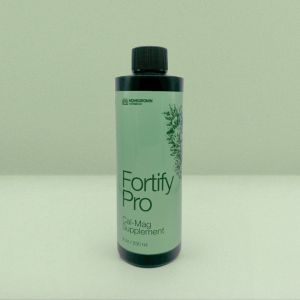
These supplements maximize bud size and density during peak flower development. Monitor for calcium and magnesium deficiencies, which are common during the flowering stage. Cal-Mag supplements quickly resolve these issues.
How to Choose the Best Cannabis Nutrients
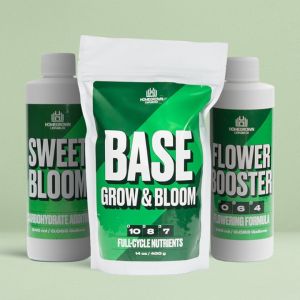
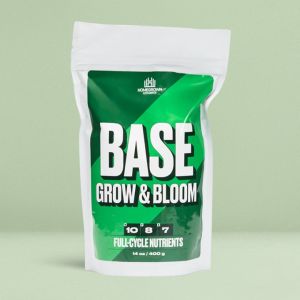
Base nutrients provide everything plants need for healthy growth. Supplements can enhance specific aspects of marijuana plant development.
Root stimulators contain vitamins, hormones, and beneficial fungi. They encourage rapid root development during the seedling and early vegetative stages. A strong root system is the foundation of a marijuana plant's health. Root stimulators give plants a significant head start.
Silica strengthens cell walls, creating thicker, sturdier stems and branches. This added strength helps plants support heavy buds. Silica also increases resistance to pests and diseases. It is a valuable supplement for both indoor and outdoor growers.
Enzymes break down dead root matter in the growing medium. This converts organic waste into usable sugars for plants and beneficial microbes. Enzyme products keep the root zone clean and healthy.
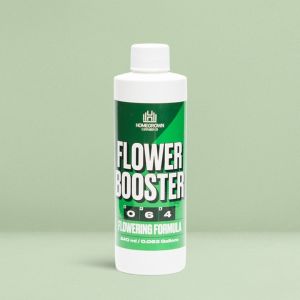
PK boosters are high-phosphorus, high-potassium supplements. They are designed for use during mid-flowering to maximize bud development. These products are popular tools for achieving the best nutrients for big buds. Use them according to the manufacturer's instructions to avoid overfeeding.
Supplement Usage Best Practices
Use supplements sparingly and from the same brand as your base nutrients. This ensures compatibility and reduces the risk of negative interactions.
Introduce new supplements one at a time at low doses. Observe plant response before increasing dosage or adding additional products.
Liquid Fertilizers and Nutrient Uptake
Liquid fertilizers dominate the cannabis cultivation market. Their popularity stems from ease of use and rapid nutrient availability. Nutrients in liquid form are already dissolved and in ionic form.
Plants can absorb them immediately through their root systems. This rapid uptake allows precise feeding control. Growers can quickly address deficiencies when they appear.
Monitoring Nutrient Solution Concentration Using PPM or EC Meters
Seedlings prefer 100-250 PPM, vegetative plants thrive at 300-800 PPM, and flowering plants handle 1000-1600 PPM. Always start with lower concentrations and increase gradually. This prevents organic and synthetic fertilizer burn and allows plants to adapt to higher feeding levels.
EC (electrical conductivity) is the base measurement, PPM is derived from EC using a conversion factor that varies by meter brand. For hydroponic and coco grows, monitoring EC directly gives more consistent readings across different nutrient lines.
Understanding Nutrient Requirements
Successful cannabis nutrition extends beyond N-P-K ratios. pH levels and environmental factors significantly impact nutrient absorption.
The Importance of pH Management
PH measures the acidity or alkalinity of your growing medium. It is the single most important factor affecting uptake of nutrients. Cannabis can only absorb nutrients within specific pH ranges.
Outside these ranges, nutrients become locked out even when present in the medium. Soil grows require pH between 6.0 and 7.0. Hydroponic and coco coir systems need slightly acidic conditions between 5.5 and 6.5.
Test nutrient solution pH before feeding. Also, check runoff pH to monitor conditions in the root zone. Use pH Up or pH Down solutions to make necessary adjustments. Maintaining a stable pH prevents most nutrient-related problems.
Reading Plant Signals
Plants constantly communicate their health status through their appearance. Learning to read these signals is invaluable.
Healthy plants display vibrant green leaves pointing slightly upward. Droopy, discolored, or spotted leaves indicate problems.
Regular inspection allows early problem detection. Address issues promptly before they become serious.
Preventing Nutrient-Related Issues
Even with quality nutrients and careful planning, problems can arise. Understanding common issues helps you respond effectively.
Addressing Nutrient Lockout
Nutrient lockout occurs when plants cannot absorb available nutrients. Improper pH is the most common cause.
When pH drifts outside optimal ranges, chemical reactions make nutrients insoluble. Symptoms mimic deficiencies, leading growers to overfeed.
Prevent lockout by maintaining a stable pH. If a lockout occurs, flush the medium with pH-balanced water. After flushing, reintroduce half-strength nutrients. Monitor plant recovery carefully over the following days.
Preventing Nutrient Burn
Fertilizer burn results from overfeeding. Plants receive higher nutrient concentrations than they can process. The first sign is yellow or brown, crispy leaf tips. Continued overfeeding causes burn to progress down leaf edges.
Start with lower doses and increase gradually based on plant response. If burn occurs, flush the medium with pH-balanced water. This removes excess nutrient salts from the root zone.
Diagnosing Cannabis Nutrient Deficiency
Nutrient deficiencies are categorized as mobile or immobile. Mobile nutrients can move from old to new growth. Mobile nutrient deficiencies appear first on lower, older leaves. These include nitrogen, phosphorus, potassium, and magnesium.
Immobile nutrients cannot relocate within the plant. Deficiencies appear on the upper, newer growth. These include calcium, sulfur, boron, and zinc.
This distinction helps diagnose problems accurately. Nutrient deficiency charts provide visual references for identification.
Growing Cannabis Indoors and Outdoors
Growing location significantly impacts nutritional approaches. Indoor and outdoor marijuana plants cultivation each present unique challenges and opportunities.
Indoor Growing Methods
Indoor cultivation offers complete environmental control. Growers manage light, temperature, humidity, and feedings precisely. Hydroponic systems provide 100% of plant nutrition through water.
This requires complete nutrient formulations and careful monitoring. Deep Water Culture and drip systems allow rapid growth. Plants respond almost immediately to nutritional adjustments.
Soilless mediums like coco coir balance control and forgiveness. These inert mediums require complete nutrition from the start.
Coco coir binds calcium and magnesium naturally. Cal-Mag supplements are often necessary to prevent deficiencies.
Outdoor Marijuana Plants Cultivation Methods
Growing outdoor marijuana plants introduces uncontrollable variables like weather and pests. However, it offers free sunlight and potential for massive plants. Growing in the ground soil requires soil health testing.
Understanding natural composition allows targeted amendments. Amend soil health with compost, worm castings, and bone meal. This creates living soil, providing steady nutrition throughout the season.
This approach forms the foundation for the best cannabis fertilizers. It can produce exceptionally flavorful and aromatic cannabis. Container gardening offers more control while utilizing natural sunlight.
Fill containers with quality soil or soilless mix. Container plants dry faster than in-ground plants. Daily watering may be necessary during peak summer heat.
FAQs
What Are the Best Nutrients for Big Buds?
High phosphorus and potassium bloom nutrients are best for large buds. Phosphorus initiates flower sites while potassium increases density and weight. Using quality bloom nutrients with PK boosters during mid-flowering maximizes bud size and yield.
How Often Should I Feed Cannabis Plants?
Feeding frequency depends on the growing medium and the growth stage. Soil growers typically feed every 2-3 waterings, allowing the soil to dry between feedings. Hydroponic and coco systems receive nutrients with every watering, sometimes multiple times daily.
What Is the Difference Between Vegetative and Flowering Nutrients?
Vegetative nutrients are high in nitrogen to promote leaf and stem growth. Flowering nutrients are low in nitrogen but high in phosphorus and potassium to support bud development. Switching nutrients when flowering begins ensures optimal bud production.
What Are the First Signs of Nutrient Deficiency?
Leaf yellowing is the most common first sign. Yellowing on lower leaves indicates mobile nutrient deficiency, such as nitrogen. Yellowing on the upper growth suggests an immobile nutrient deficiency, such as iron or sulfur.
What Nutrients do Cannabis Plants Need?
Cannabis plants need three primary macronutrients: nitrogen (N), phosphorus (P), and potassium (K). They also need secondary nutrients, including calcium, magnesium, and sulfur, plus a range of micronutrients like iron, zinc, manganese, copper, boron, and molybdenum. The ratio of these nutrients changes at each growth stage — nitrogen is dominant during vegetative growth, while phosphorus and potassium take over during flowering.
Can I Use the Same Nutrients for Soil and Hydroponics?
Organic fertilizers and hydroponic nutrients are formulated differently. Organic fertilizers work with existing soil microorganisms and minerals.
Hydroponic nutrients are complete formulas containing every essential element. Using soil nutrients in hydroponics causes deficiencies.
When Should I Stop Giving Cannabis Plants Nutrients?
Most growers stop feeding nutrients 1-2 weeks before harvest, a process called flushing. During this period, plants are watered with plain pH-balanced water to clear residual nutrient salts from the growing medium and the plant tissue. This improves the taste, smoothness, and overall quality of the final product. The exact timing depends on your strain's total flower time, a strain with an 8-week flower period would typically begin flushing around week 6 or 7