What Are Purple Haze Seeds?
Purple Haze is a sativa-dominant hybrid with a lineage that traces back to Purple Thai and Haze. The combination produces tall, vigorous cannabis plants with striking purple coloration, dense, frosty buds, and an uplifting effect profile that has made the Purple Haze strain one of the most recognized names in cannabis history.
Purple Haze feminized seeds take the guesswork out of cultivation by producing female plants only, letting growers focus their care and space on plants that will actually produce buds.
Genetics and Lineage
Purple Haze cannabis seeds come from a cross between Purple Thai and Haze, two varieties with strong individual reputations. Purple Thai brings the deep purple coloration and berry-forward flavor, while Haze seeds contribute the tall sativa structure, aromatic intensity, and the cerebral, energizing effects the Haze family is known for.
The result is a sativa-dominant hybrid that expresses the best of both parents: striking appearance, complex aroma, and a high that leans creative and uplifting without tipping into sedation.
THC Content and Potency
Purple Haze feminized seeds produce plants with up to 20% THC. The potency sits in a range that delivers a noticeable cerebral high without overwhelming intensity, making it a reasonable entry point for novice growers and a reliable performer for experienced consumers who prefer daytime-friendly sativa effects.
Growth Traits and Characteristics
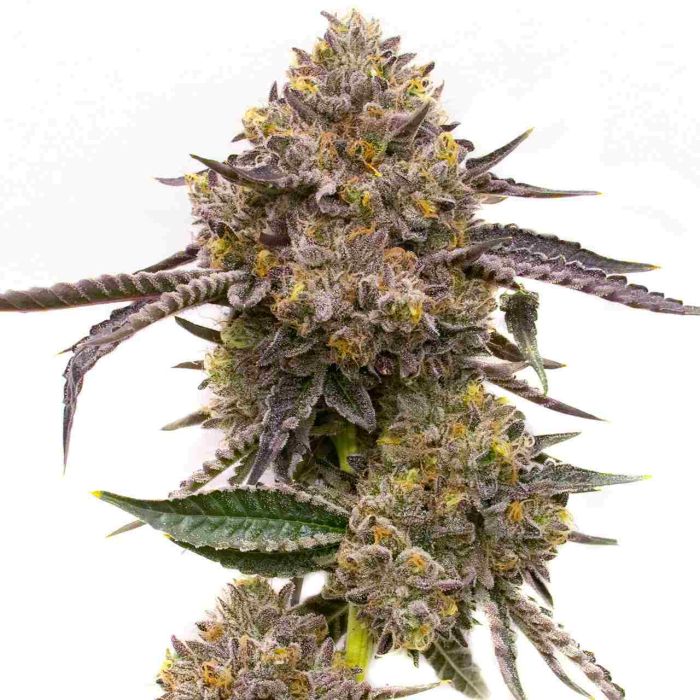
Purple Haze feminized seeds grow into tall, vigorous plants with classic sativa dominance that includes long internodal spacing, stretchy structure during flowering, and dense conical buds that develop impressive frosty trichome coverage by harvest.
These cannabis plants adapt well to both indoor and outdoor cultivation, including cooler climates, and the strain thrives when given room to stretch and access to consistent light.
Key traits at a glance:
- Plant type: Sativa-dominant hybrid
- THC: Up to 20% THC
- Flowering time: 8–10 weeks
- Yield: Above average indoors and outdoors
- Height: Tall
- Difficulty: Moderate
Appearance, Aroma, and Effects of Purple Haze
What Do Purple Haze Plants Look Like?
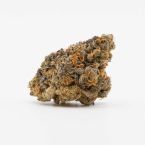
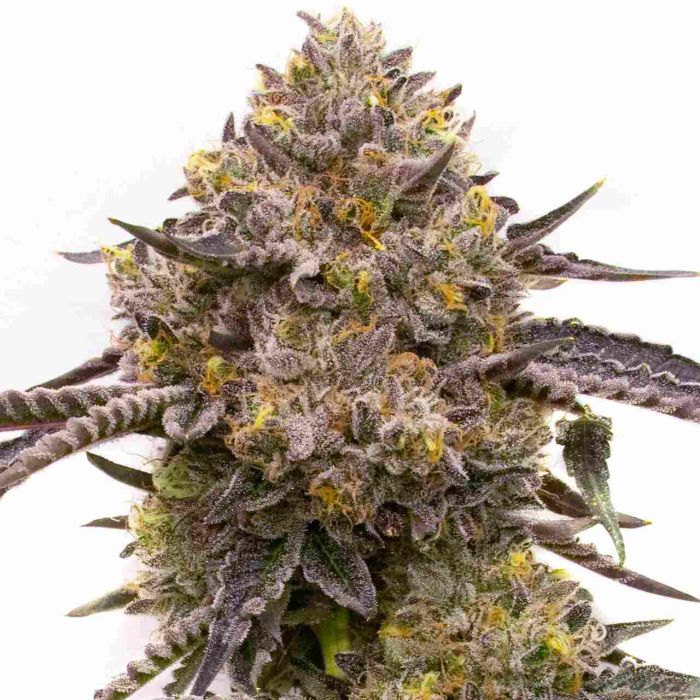
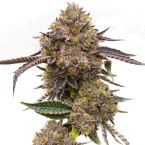
Purple Haze plants develop long, sativa-leaning structures with dense, conical buds that stretch toward the light source. Growers sometimes affectionately call the larger colas "big girls", a nod to the impressive bud development this strain achieves under good conditions.
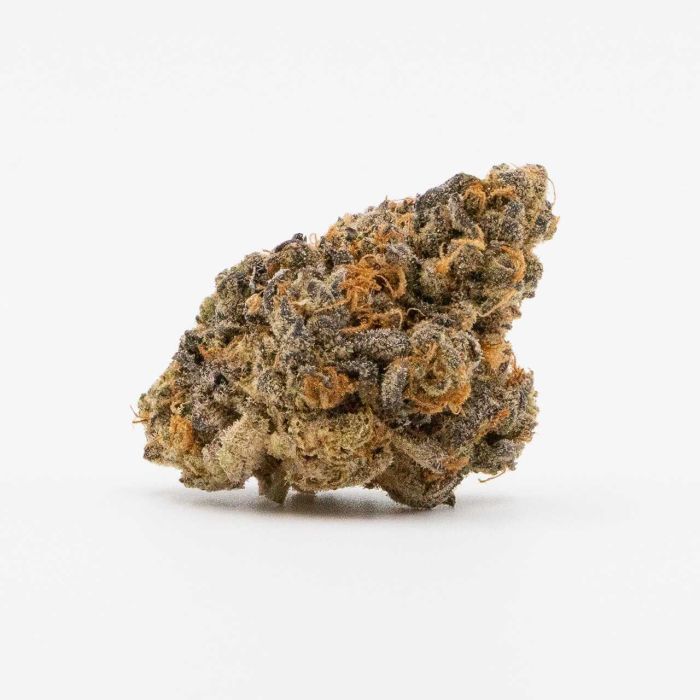
The purple coloration is one of the strain's most recognizable features. Vibrant purple hues develop across the buds and sugar leaves, intensifying as cooler nighttime temperatures draw out the anthocyanins in the genetics. The contrast between deep purple, dark green leaves, and frosty white trichomes makes Purple Haze one of the more visually striking plants you can grow.
Aroma and Flavor Profile
Purple Haze delivers a bold, layered flavor profile built around sweet, earthy, and berry notes with a secondary hint of spice that adds depth. The aroma is rich and complex with sweet and fruity aroma upfront, and an earthy, slightly dark undertone that develops as the buds cure.
The smoke is smooth and enjoyable, with the sweet berry character carrying through from first inhale to finish. The overall profile is one of the more distinctive in the sativa-dominant category, which is a big part of why the Purple Haze strain has maintained its appeal across generations of cannabis enthusiasts.
Effects and Experience
Purple Haze feminized seeds produce a euphoric, mood-boosting high that hits with mental clarity and a noticeable creative edge. The experience is energizing and uplifting, the kind of high that encourages activity, social interaction, and artistic expression rather than settling in for the couch.
The sativa dominance keeps things stimulating rather than sedating, making Purple Haze well-suited for daytime use. Many consumers report heightened sensory awareness and intensified color perception alongside the mood elevation, qualities that have long contributed to the strain's reputation and cultural staying power since Jimi Hendrix brought the name into the mainstream.
Growing Purple Haze Feminized Seeds
Purple Haze feminized seeds are moderately easy to grow and perform reliably across varied conditions. The feminized format ensures every plant is a female, simplifying the grow and keeping the focus on flower production from the start.
Germination
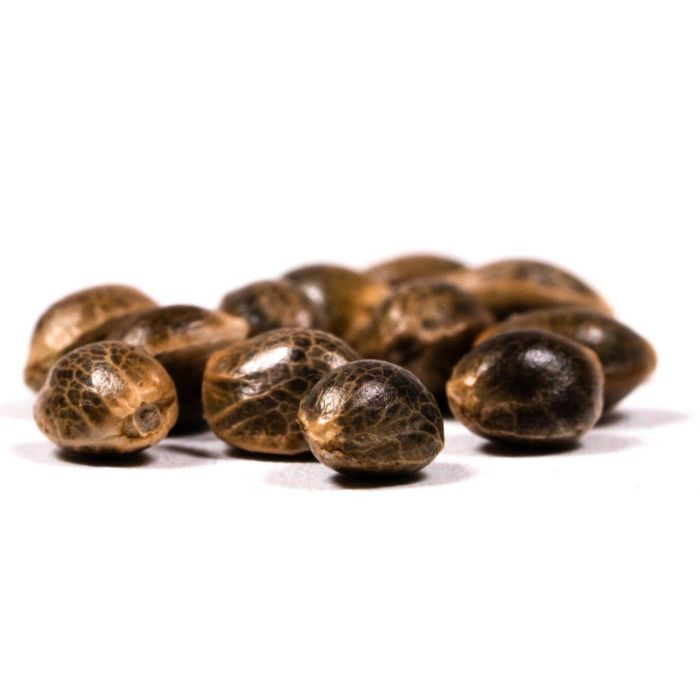
Homegrown Cannabis Co. recommends the damp paper towel method for germinating Purple Haze seeds. Follow each step carefully and document the process to qualify for the germination guarantee.
- Soak seeds in clean water for 12–24 hours
- Place seeds between damp paper towels and keep in a warm, dark location
- Check daily and maintain consistent moisture without overwatering
- Transfer germinated seeds to a well-draining soil mix once the taproot is visible
Seedling and Vegetative Phase
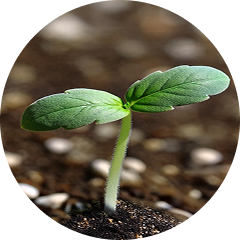
Provide 18–20 hours of light per day during the vegetative phase using LED or HPS lighting. Purple Haze plants show vigorous growth early and begin expressing purple traits under cooler nighttime temperatures even before flowering begins.
Feed a balanced nutrient solution and monitor carefully to avoid stress during early development. Maintain proper airflow, consistent light intensity, and appropriate watering intervals to build a healthy foundation before the flowering phase.
Training Techniques
Purple Haze has strong sativa dominance, which means it stretches more than most indica strains during flowering. Training during veg is important for managing height and maximizing yield potential indoors.
Recommended techniques:
- Low stress training (LST): Guides branch growth, controls height, and opens the canopy to improve light penetration
- Topping: Creates multiple main colas for a bushier structure and more bud sites
- Light pruning: Removes lower leaves, improves airflow, and redirects energy to the top colas
- Support stakes: Taller stems benefit from early staking to prevent breakage under bud weight
Growing Conditions
Purple Haze seeds adapt well to indoor controlled environments and outdoor cultivation in warm climates. The strain thrives in temperatures ranging from around 65–80°F and tolerates some variation, including cooler nighttime temperatures that trigger deeper purple hues.
Outdoors, the strain handles strong winds better than many taller sativas and performs well in climates with long, warm growing seasons. Use a well-draining soil mix, with optional coco coir for added aeration, and ensure adequate airflow throughout the cycle.
Flowering Stage
The flowering phase for Purple Haze feminized seeds runs 8–10 weeks. During this period, buds develop rapidly, trichome coverage builds across the flowers and sugar leaves, and the purple coloration intensifies as the plant matures.
Monitor for common pests, including spider mites, aphids, and whiteflies, throughout flowering, especially in outdoor cultivation. Humidity management during bud development is important given the strain's dense flower structure.
Optimal Harvest Window
Harvest when trichomes are mostly cloudy with occasional amber tips, the aroma has intensified noticeably, and buds feel dense but slightly springy. These indicators together signal peak THC content and terpene development which is the point where Purple Haze delivers its full flavor profile and effect quality.
Purple Haze Feminized vs. Other Seed Types
Why Feminized Seeds
Purple Haze feminized seeds produce female plants exclusively, which means no time or resources are spent identifying and removing males. Every plant in the grow produces buds, which improves space efficiency and keeps the growing process focused from start to finish. This is particularly valuable for novice growers managing limited space or their first full run.
Feminized vs. Autoflowering
Purple Haze feminized seeds are photoperiod plants, meaning they require a controlled light schedule to trigger flowering, which gives growers more control over plant size, structure, and final yield.
Autoflowering seeds flower automatically regardless of light cycles and finish faster, but offer less flexibility over plant development.
For growers who want to manage the grow in detail and push toward above-average yields, feminized Purple Haze is the stronger choice.
Purple Haze Seeds: A Classic Worth Growing
Purple Haze has earned its place in cannabis history for good reason. The vibrant purple hues, complex sweet and earthy flavor profile, above-average yields, and that energizing cerebral high make it a strain that holds up across decades of growing trends. It's visually impressive, genuinely enjoyable to consume, and rewarding to cultivate at any experience level.
When you're ready to buy Purple Haze seeds, Homegrown Cannabis Co. has feminized genetics backed by a germination guarantee, detailed strain documentation, and a growing support library that takes you from germination through harvest.
FAQs
Does Purple Haze Feminized Produce Seeded Buds?
No. Purple Haze feminized seeds produce female plants that develop seedless buds when grown without pollination. All energy goes into flower production, which maximizes both potency and overall quality.
How Much Does Purple Haze Feminized Yield?
It depends on growing conditions, training, and environment. Indoor grows produce above-average yields with proper lighting and training techniques like LST. Outdoor cultivation in warm, sunny climates with ample root space pushes yields even higher.
Is Purple Haze Feminized a Strong Strain?
Yes. Purple Haze feminized reaches up to 20% THC, delivering a cerebral high that's noticeable and energizing without being overwhelming. It sits in a range that works well for both novice and experienced consumers who prefer uplifting, daytime-appropriate effects.
How Long Does Purple Haze Take to Flower?
Purple Haze feminized seeds have a flowering time of 8–10 weeks. Cooler nighttime temperatures during the later stages of flowering will intensify the purple coloration as the plant approaches harvest.
Can Purple Haze Be Grown Outdoors in Cooler Climates?
Yes, with some planning. Purple Haze tolerates cooler climates better than many sativa-dominant strains and actually develops deeper purple hues when nighttime temperatures drop. In regions with shorter seasons, starting seeds indoors before the last frost gives plants enough time to finish before fall.












 Fast + Discreet Shipping Nationwide
 Fulfilled with Care from Our U.S. Warehouse
 Top-Rated U.S.-Based Customer Support