What Are Cherry Pie Seeds
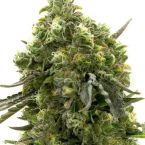
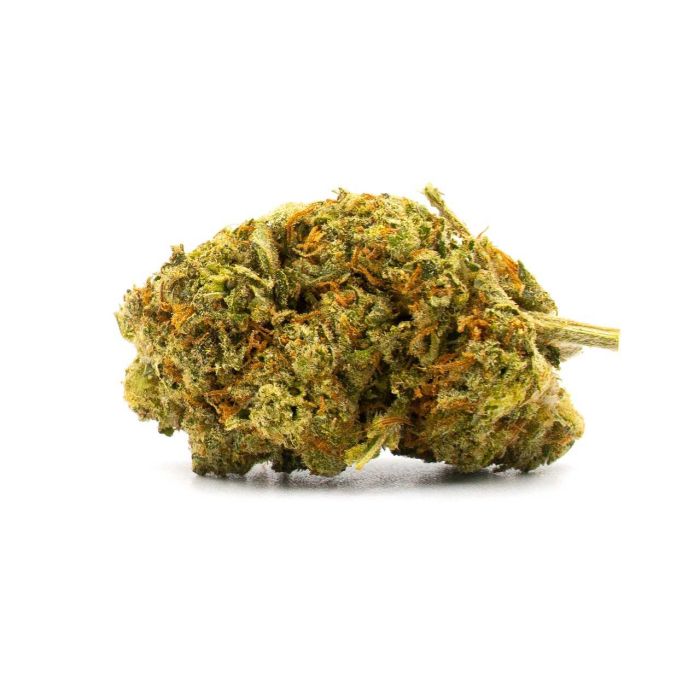
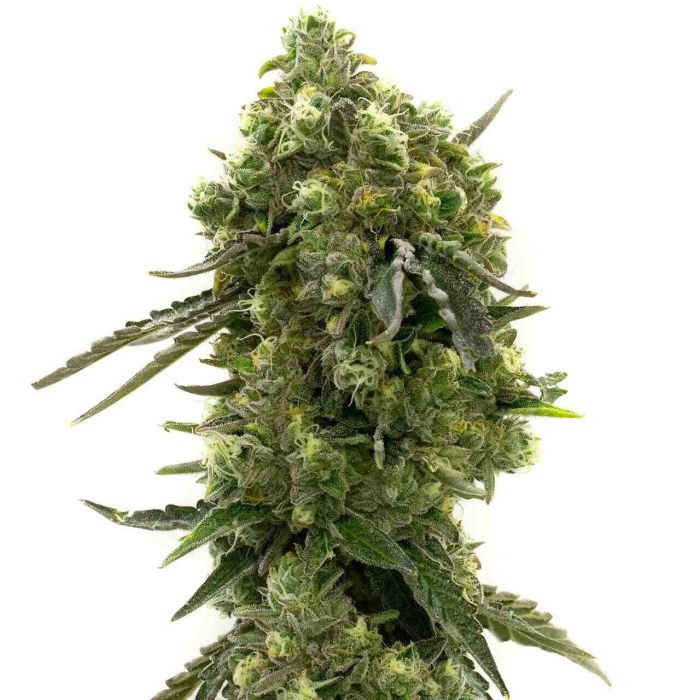
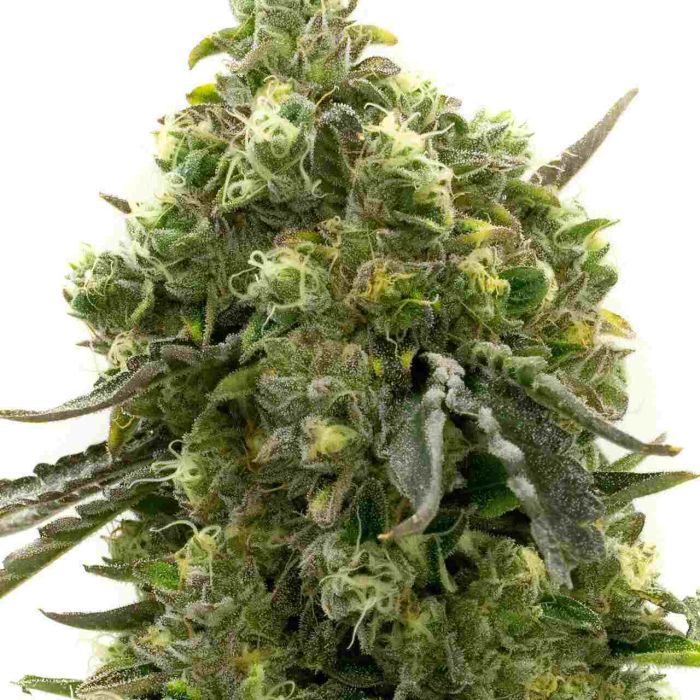
Cherry Pie weed strain looks as good as it smokes: imagine dense buds stacked with trichome-rich sparkle and bright orange pistils popping against deep greens and purples.
True to its name, the Cherry Pie strain offers a fruity flavor profile that hits like a forkful of freshly baked cherry pie, blending sweet notes with subtle herbal undertones. But it's not just about taste. Backed by up to 24% THC and clear mostly Indica dominance, this strain delivers a calming and relaxing experience, the kind that settles in smoothly without feeling overwhelming.
Whether you're chasing flavor, potency, or just a gorgeous grow, Cherry Pie continues to earn its place as a favorite among cannabis enthusiasts everywhere.
The Cherry Pie Strain Backstory: Rooted in Greatness
Cherry Pie marijuana strain is the flavorful lovechild of two legendary cultivars: Granddaddy Purple and Durban Poison.
This indica cannabis strain brings together the best of both parents, offering a perfect blend of calming and relaxing qualities and euphoric mental uplift. With up to 24% THC, this indica strain doesn't just taste great; it delivers where it counts.
From GDP, it inherits its heavy, soothing qualities, which are ideal for winding down. Durban contributes an energetic lift and mental sharpness, giving Cherry Pie plants a balanced high that suits both daydreamers and night owls.
With THC levels often climbing into the high teens or low twenties, this indica strain doesn't just taste great; it delivers where it counts. Its sweet flavor profile, true to its name, makes it a valuable addition to any grower's garden or stash jar.
Cherry Pie Aroma and Flavor Profile
One of the first things growers notice about Cherry Pie weed is its rich, dessert-like aroma. Open a jar, and you're greeted with berry notes layered over deep earthy tones, a complex but inviting blend that hints at what's to come.
As for the taste, it's just as indulgent. Think sweet cherry and berry flavors balanced by subtle herbal notes that round out each puff. The flavor is smooth, consistent, and lingers on the palate, making Cherry Pie a favorite for flavor-chasers.
Its dense buds, often frosted with resinous trichomes, don't just look stunning; they're packed with flavor from start to finish. For growers and connoisseurs alike, Cherry Pie delivers a sensory profile that's hard to beat.
Cherry Pie's Effects and Potential Benefits
Cherry Pie cannabis delivers a well-rounded experience that's well-suited for winding down without feeling weighed down. Its balanced effects (a hallmark of its mostly Indica lineage) offer both euphoric and mood-boosting lift and calming and relaxing depth, making it a go-to for evening use.
The euphoric high comes on quickly, lifting mood before melting into calming and relaxing effects that settle in from head to toe. Cherry Pie is especially popular for its smooth, relaxing experience, offering a balanced vibe that's perfect for unwinding after a long day or taking the edge off.
Growing Cherry Pie Seeds: A Quick Guide
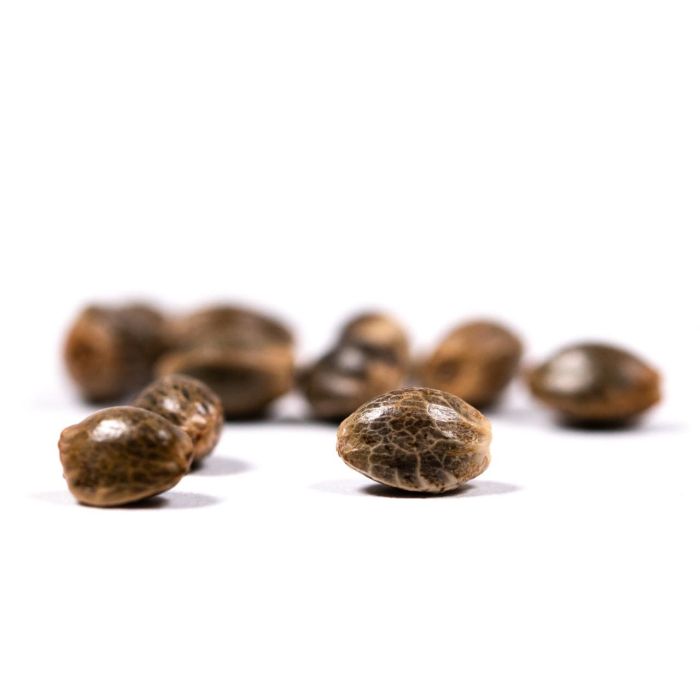
Cultivating Cherry Pie feminized seeds is a rewarding experience for both new and seasoned growers. With the right setup and a bit of know-how, you can guide these medium plants toward a heavy harvest. Here's how to get the most out of your growing process, indoors or out.
Vegetative Phase: Laying the Groundwork
During the vegetative stage, Cherry Pie benefits from structured growth and early planning. Start by managing light exposure; the goal is 18 hours a day. Training techniques like low-stress training (LST) can help control height and promote bushier growth, especially on the lower branches, which might otherwise receive less light.
Use well-draining soil to support root health, and keep humidity levels moderate to encourage strong vegetative growth. As plants mature, reduce relative humidity gradually to prepare for the transition to flowering.
Flowering Stage: Boosting Bud Development
As Cherry Pie enters its flowering phase, maintaining adequate airflow is essential. Trim any dense foliage around the lower branches to prevent moisture buildup and mold. Aim for low humidity to protect developing buds.
With proper light exposure and optimal conditions, the flowering time typically runs about 8–10 weeks. During this flowering stage, continue gentle LST if needed and monitor nutrient levels closely, since Cherry Pie responds well to a balanced feed during bloom.
Indoor vs. Outdoor Cultivation
Cherry Pie thrives in both indoor and outdoor settings. Indoors, with proper lighting and airflow, growers can achieve generous, high-quality harvests. Outdoors, under sunny skies and stable conditions, plants can produce even larger yields, especially when given plenty of space and natural light.
Harvest and Cure Your Buds
Timing is key when harvesting Cherry Pie seeds. Inspect trichomes with a loupe or microscope to determine readiness:
- Clear trichomes: Buds are underdeveloped with lower potency.
- Mostly cloudy with some amber: Indicates peak potency and balanced effects.
- Mostly amber: Produces more deeply calming and relaxing effects.
About 1–2 weeks before harvest, flush your Cherry Pie plants with pH-balanced water to remove excess salts and enhance flavor. When ready, cut the plants at the base or trim individual branches. Remove large fan leaves and hang the buds upside down in a dark, ventilated space with temperatures around 60–70°F and 50–60% humidity.
Drying typically takes 7–14 days. You'll know the buds are ready for curing when smaller stems snap cleanly. Store dried buds in airtight glass jars, filling about three-quarters full. Open jars briefly every day for the first week, then every few days afterward.
A slow cure of 2–4 weeks (or longer) brings out Cherry Pie's sweet flavor, aroma, and the rock-hard quality of the finished product, giving you the full character of this mostly indica strain.
Cherry Pie Common Growing Mistakes
Even though Cherry Pie plants are generally resilient, growers often make the same mistakes when they overlook basic care. Here's what to watch out for to get a strong, healthy crop:
- High-stress pruning and training: Mostly Indica Cherry Pie seeds don't have extra time to recover, so heavy topping, pruning, or training can stunt growth and reduce yields.
- Nutrient burn: Burnt leaf tips, dark, clawed leaves, or crispy edges are signs of overfeeding. Reduce nutrients immediately to prevent lasting damage.
- Overwatering: Watering too frequently can suffocate the roots, especially in larger containers. Let the medium dry slightly between waterings for optimal growth.
- Pests: Watch for spider mites, aphids, thrips, and fungus gnats indoors or out. Inspect leaves regularly and treat infestations early with organic options like our Bug Blaster.
- Bud rot: Dense Cherry Pie buds combined with poor airflow or high humidity can lead to mold. Maintain stable conditions and consider preventative treatments like Mold Shield to protect your crop.
Why Choose Cherry Pie Seeds
Whether you're just starting or you've got seasons under your belt, Cherry Pie offers something every grower can appreciate: flavor, potency, and reliability in one gorgeous package.
Its euphoric and mood-boosting lift, balanced by calming and relaxing depth, eye-catching buds, and rich aroma, has earned it a solid reputation across the cannabis community.
For experienced cultivators, Cherry Pie brings plenty of room to experiment with training techniques and maximize yields. For beginners, it's forgiving and rewarding, a flavorful introduction to growing top-shelf genetics at home.
Ready to grow your own? Grab your Cherry Pie seeds today and start cultivating a true standout in your garden.
FAQs
Still have questions? Here are some quick answers to the most common things growers ask about Cherry Pie seeds.
Is Cherry Pie a Strong Strain?
Yes. Cherry Pie delivers a potent yet balanced high, offering a strong and enjoyable experience for those looking for a full-bodied effect.
Is Cherry Pie Easy to Grow?
Absolutely. Cherry Pie is well-suited for growers of all levels. It's resilient, responds well to training, and thrives with basic care and attention.
Is Cherry Pie Better for Indoor or Outdoor Growing?
Cherry Pie thrives in both environments. Indoors, it stays manageable in size and responds well to training. Outdoors, it flourishes in warm, dry climates with plenty of sunlight.
How Long Does Cherry Pie Take to Flower?
Cherry Pie typically has a flowering time of 8–10 weeks. Expect to harvest in late September to early October if grown outdoors.














 Fast + Discreet Shipping Nationwide
 Fulfilled with Care from Our U.S. Warehouse
 Top-Rated U.S.-Based Customer Support