What Are Big Bud Seeds?
Big Bud seeds produce an 85% indica-dominant strain that is as recognizable for its structure as it is for its effects. The plants grow compact and sturdy, the buds stack dense and heavy, and the high settles into a full-body relaxation that makes this strain a staple across decades of cannabis history.
Why Choose Big Bud Feminized Seeds?
Big Bud feminized seeds are the most practical option for a lot of growers. Feminized cannabis seeds are bred to eliminate male plants from the equation, meaning every seed in the pack has an extremely high likelihood of producing a flowering female.
That matters because male plants don't produce buds, and removing them early is one of the more tedious parts of growing regular seeds; feminized seeds skip that step entirely.
Big Bud feminized seeds are particularly well-suited to growers who want a low-maintenance, high-reward strain without managing the complexity of a regular seed run. If you're looking to buy Big Bud seeds for your next grow, feminized is the version worth starting with.
Genetics and Lineage
Big Bud has deep roots in cannabis history, tracing back to the U.S. cannabis scene in the 1980s before the genetics made their way to the Netherlands. There, breeders worked the line further and helped bring it to a global audience. Big Bud's High Times Cannabis Cup win in 1989 cemented its reputation as a dependable, high-yielding classic.
The strain is a multi-parent hybrid, with each contributing something specific to what Big Bud offers today:
- Afghani - A pure indica landrace that gives Big Bud its durability, resin production, and compact, sturdy structure. Afghani genetics are the backbone of the strain's resilience.
- Northern Lights - One of the most famous indica-dominant strains in cannabis history. Northern Lights contributes to Big Bud's robust structure and sweet, complex aroma profile with earthy, sweet, and spicy notes.
- Skunk #1 - The primary driver of Big Bud's yield potential. This legendary hybrid brings vigor and productivity, encouraging the development of large, dense flower clusters that the strain is known for.
Big Bud Characteristics
Big Bud feminized seeds are consistent producers with a well-defined set of traits that experienced growers recognize immediately. From plant structure to bud density to aroma, this strain expresses its indica genetics clearly at every stage of the grow.
What Do Big Bud Cannabis Plants Look Like?
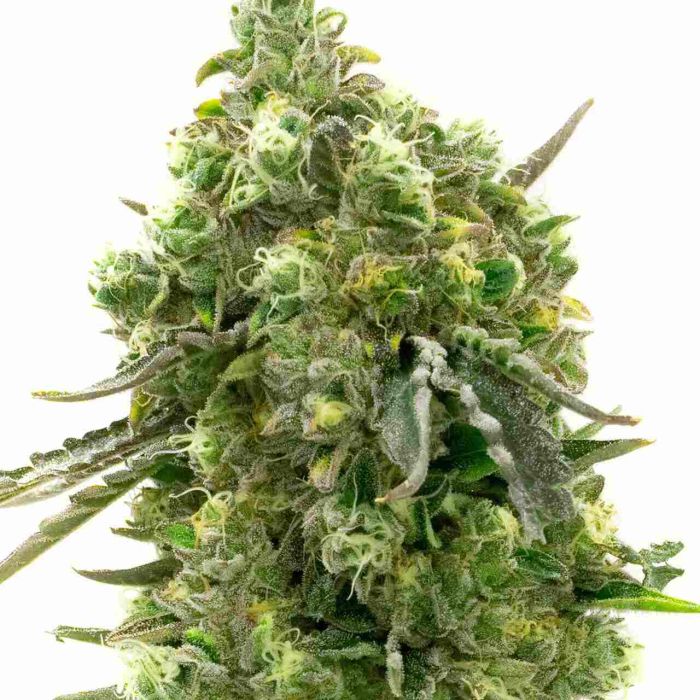
Big Bud feminized seeds grow into plants with classic indica growth patterns, medium height, strong, thick stems, wide dark green leaves, and a structure built to support serious bud weight. The plant stays compact and bushy through the vegetative phase before branches extend moderately at the start of flowering.
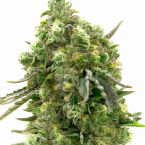
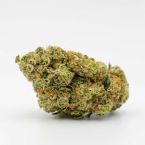
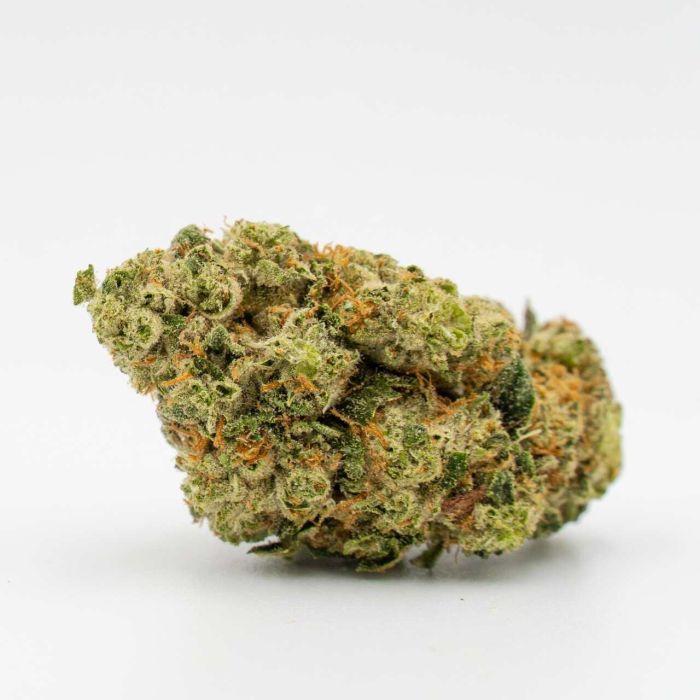
The most notable characteristic is the flower production. Big Bud buds are exceptionally large and dense, often clustering so tightly they appear as a single massive cola. Covered in sticky resin and packed tightly along the branches, these are the kind of buds that justify the strain's name every single time.
Aroma and Flavor
Big Bud's aroma opens with a deep, earthy sweetness undercut by notes of spice and wood. As plants mature through flowering, the fragrance fills the grow space with a rich, skunky perfume that becomes more pronounced as harvest approaches.
The dominant terpenes include beta-caryophyllene, which contributes the spicy, peppery edge, alongside myrcene for the earthy base and limonene for the subtle sweetness.
Breaking open a cured bud often reveals a fruitier quality underneath, which carries through into the flavor. The initial taste is sweet and fruity, settling into a smooth, earthy finish with lingering spice. It's a classic profile that has kept cannabis enthusiasts coming back to this strain for decades.
THC Levels, CBD Levels, and Potency
Big Bud typically produces THC levels between 15% and 20%, depending on growing conditions and the specific seed line. CBD levels are generally low, consistent with most indica-dominant hybrids in this category.
The moderate potency is part of the appeal. Big Bud isn't chasing record-breaking THC numbers. It delivers a well-rounded, physically grounded experience that doesn't require the highest possible percentage to be effective. Growers who dial in lighting quality, nutrient timing, and environmental stability tend to push toward the upper end of the range.
Effects
Big Bud offers a deeply relaxing high that starts with a subtle mental shift before settling into full-body ease. The initial phase tends to brighten mood and reduce stress without overwhelming the senses. As the effects develop, the physical sensations take over. It becomes a soothing, body-centered relaxation that many consumers describe as a warm, heavy calm.
This is an evening strain. The relaxed feeling it produces makes it well-suited for unwinding after a long day, and many users find it genuinely useful for stress relief and preparing for restful sleep. Effects are noticeable without being disorienting for most users, which is part of why Big Bud has remained popular well outside of its 1980s origins.
How to Grow Big Bud Seeds
Big Bud feminized seeds are forgiving enough for newer growers while still rewarding the attention that expert growers bring. Here's what to keep in mind across each phase.
Creating the Ideal Environment
Big Bud thrives under stable conditions. Swings in temperature or humidity are more disruptive than most growers realize, particularly during flowering when dense buds are vulnerable to mold if conditions drift.
- Vegetative phase: 70–85°F (21–29°C), relative humidity 40–60%
- Flowering stage: 68–80°F (20–27°C), relative humidity 30–40%
- Lighting: HID or LED, 18–24 hours during veg, strict 12/12 light cycle for flowering
- Airflow: Oscillating fans throughout - non-negotiable with dense buds
Choosing a Grow Medium
- Soil - Forgiving and beginner-friendly, provides a natural buffer for pH and nutrients
- Coco coir - Excellent aeration and water retention, but requires more frequent feeding
- Hydroponics - Fastest growth and highest yield potential, requires precise monitoring
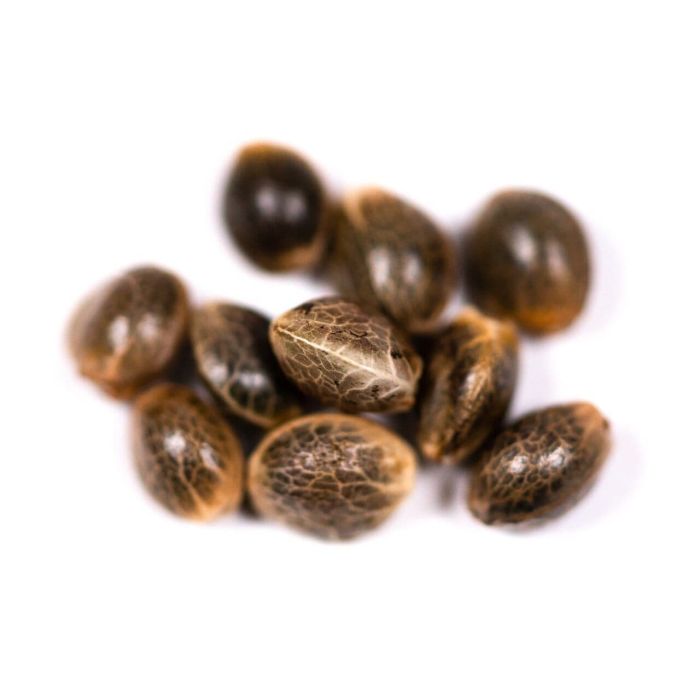
Germinating Big Bud Seeds
- The paper towel method is reliable and consistent for germinating Big Bud seeds:
- Moisten a paper towel and place seeds about an inch apart
- Cover with a second moist paper towel and place in a warm, dark location
- Check daily: Seeds germinate within 24 - 72 hours in most cases
- Once the taproot reaches a quarter-inch, transfer to your growing medium root-down, about a half-inch deep
Vegetative Phase and Training
Big Bud plants develop a strong frame during veg. This is the window to build the canopy structure that will support flowering later. Training techniques make a measurable difference in final yield:
- Sea of Green (SOG) - Well-suited to Big Bud's compact structure. More, smaller plants with a shorter vegetative time fill the space quickly and push toward harvest efficiently. A reliable green technique for commercial growers and home growers alike.
- Screen of Green (SCROG) - Effective for growers with more space. Spreads the canopy horizontally to expose more bud sites to direct light.
- Low stress training (LST) - Gentle bending and tying during veg opens up the canopy and increases yields without the recovery time that topping requires.
- Topping - Encourages a bushier structure with multiple main colas rather than one dominant central stem.
Flowering Stage
Big Bud has a relatively short flowering time of 7-9 weeks, which is a meaningful advantage for growers who want large harvests without a long wait. Once the 12/12 light cycle triggers flowering, maintain stable conditions and watch humidity closely. Dense buds in warm, humid air are a mold risk. Keep air moving and humidity in the 30-40% range.
Maximizing Big Bud Yields
Big Bud feminized seeds are capable of delivering up to 21 oz/m² indoors and 25 oz or more per plant outdoors. Hitting those numbers comes down to four variables:
- Grower skill - Experienced growers catch early signs of stress, deficiencies, or pests before they compound. Adjusting feeding, light, and environment to match each growth stage makes a consistent difference.
- Environment - Optimal growth requires stable temperatures, controlled humidity, and good airflow throughout the cycle. Big temperature swings slow development and increase stress.
- Training - LST, SCROG, and sea of green techniques level out the canopy and expose more bud sites to light, which translates directly to heavier harvests.
- Nutrients - Nitrogen-forward feeding during veg, transitioning to phosphorus and potassium at the start of flowering. Follow a medium-appropriate schedule and adjust based on how the plant responds.
Growing Big Bud Indoors vs. Outdoors
Growing Indoors
Growing Big Bud feminized seeds indoors gives you full control over temperature, humidity, and the light cycle. These are the three variables that matter most for this strain.
Indoor environments allow you to maintain optimal conditions year-round, manage mold risk on dense buds, and keep the grow private. Big Bud grows well indoors and consistently produces strong plants when the basics are managed.
Growing Outdoors
Big Bud thrives in warm climates with long growing seasons. In a sunny climate, outdoor plants can exceed 6 feet and use unlimited root space to push yields above 25 oz per plant. Outdoor environments produce naturally developed terpene profiles, and the combination of sunlight and open air suits this strain's indica genetics well.
It's also cost-effective. Without the overhead of lights and climate control, outdoor growing reduces costs significantly while still producing exceptional results with attentive care.
Harvesting and Curing Big Bud
Harvest when 60–70% of trichomes have shifted from clear to milky white. Cut branches, remove large fan leaves, and hang trimmed buds in a dark, cool room with relative humidity around 50% for 7–14 days. When smaller stems snap cleanly rather than bending, the buds are ready to cure.
Place dried buds loosely in airtight glass jars, filling about three-quarters full. Open jars daily for the first week to release excess moisture. A proper cure runs at least two weeks; longer cures produce noticeably better aroma and smoothness.
Common Mistakes to Avoid When Growing Big Bud
Overwatering - Cannabis plants need oxygen at the roots. Waterlogged soil limits airflow and can lead to root rot. Let the medium dry slightly between waterings and ensure good drainage.
Poor airflow - Dense Big Bud buds trap moisture easily. Keep air moving with an oscillating fan, manage humidity, and avoid overcrowding plants. Excess water combined with stagnant air is the most reliable way to invite mold.
Ignoring pH - Off-target pH causes nutrient lockout regardless of how well you're feeding. Target 6.0–7.0 in soil, 5.5–6.5 in coco or hydro. Check regularly.
Inadequate support - Big Bud plants develop heavy flowers. Stake branches early before they need it so stems stay upright through late flowering.
Where to Buy Big Bud Seeds
Big Bud feminized seeds are available from established seed banks with long track records for genetic integrity. Look for seed banks that offer discreet packaging, free shipping on qualifying orders, and verified feminized cannabis seeds to make sure what you're growing matches what you're paying for.
The Bottom Line on Big Bud Seeds
Big Bud has earned its place in cannabis history for good reason. Short flowering time, massive yields, resilient genetics, and an aroma profile that has stood the test of decades. It checks every box a practical grower looks for. Big Bud feminized seeds make it accessible to almost any skill level, and the results speak for themselves from the first grow to the hundredth.
When you're ready to buy Big Bud seeds, Homegrown Cannabis Co offers a strong selection at affordable prices, making it easy to get started with a proven strain. If you want reliable performance and consistently heavy harvests, this is one of those seeds you won't regret adding to your grow.
FAQs
Is Big Bud a Good Strain for Beginners?
Yes. Big Bud feminized seeds are consistently recommended for newer growers. The strain tolerates minor mistakes in watering, feeding, and environmental control better than most, and the feminized seed type removes the complexity of identifying and removing male plants.
Is Big Bud an Indica or a Sativa?
Big Bud is an 85% indica-dominant hybrid. It leans heavily toward indica in both growth pattern and effects, though it carries some sativa influence from its Skunk #1 parent.
Where Can I Buy Big Bud Seeds?
Big Bud seeds are available from reputable online seed banks, including Homegrown Cannabis Co. Look for sources offering feminized seeds, discreet shipping, and clear lab or breeding documentation.
What Are the Best Training Methods for Big Bud?
Sea of green, low-stress training, and SCROG all work well with Big Bud's compact indica structure. SOG is particularly effective for commercial growers or anyone looking to increase yields across multiple plants in a limited space.
How Long Does Big Bud Take to Flower?
Big Bud has a flowering time of 7–9 weeks, which is relatively short for an indica-dominant hybrid of this yield potential.














 Fast + Discreet Shipping Nationwide
 Fulfilled with Care from Our U.S. Warehouse
 Top-Rated U.S.-Based Customer Support