



How to Care for Cannabis Clones Shipped: A Complete Guide for Healthy, Thriving Plants

How to Care for Cannabis Clone
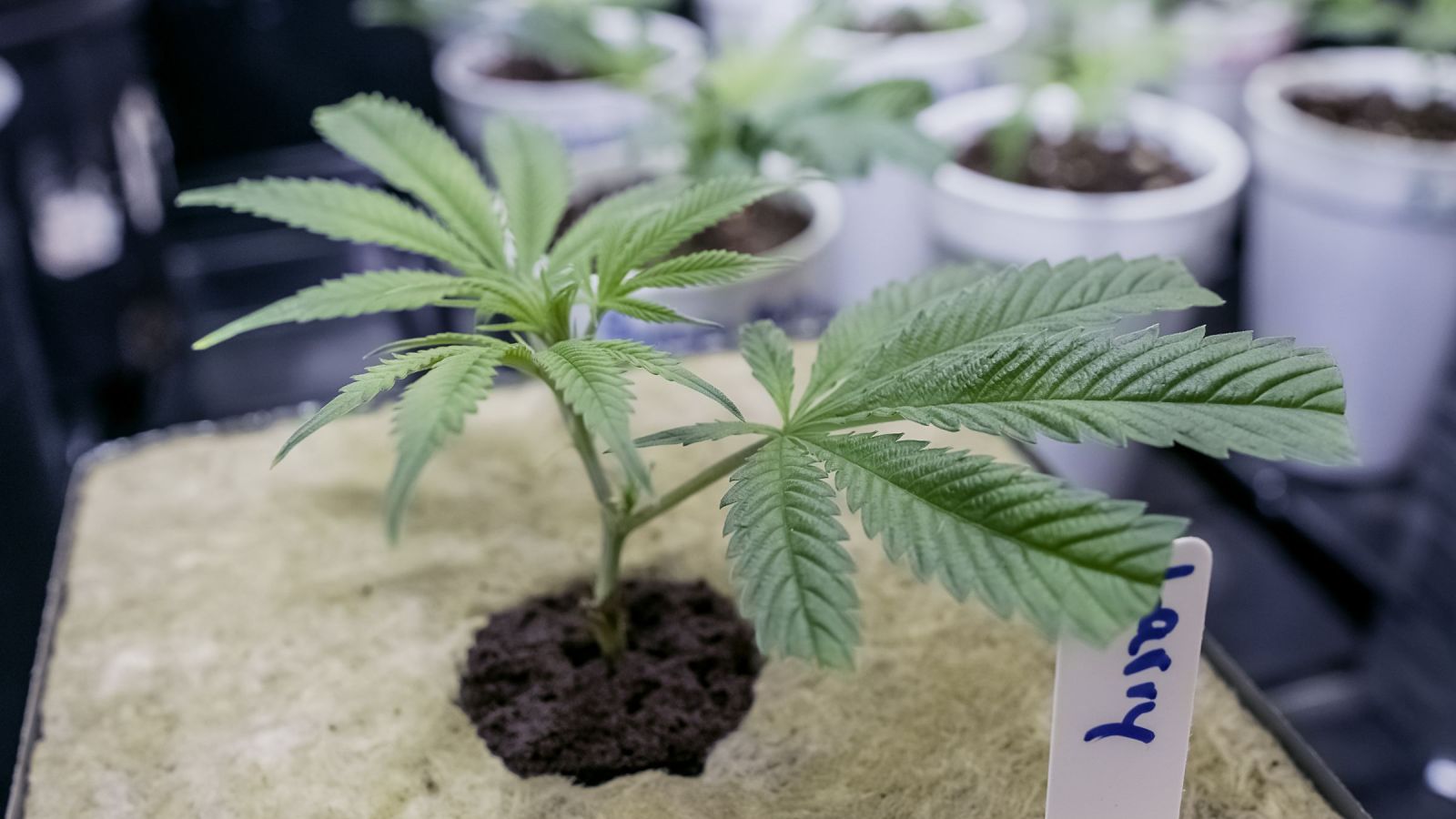
A cannabis clone is a cutting taken from a healthy mother plant that’s genetically identical to its parent. Instead of starting from a cannabis seed, growers “copy” a proven plant, preserving its exact genetics from day one.
Because of that genetic match, clones develop with the same growth pattern, yield potential, and cannabinoid profile as the original cannabis plant. This level of predictability is a big reason many growers prefer clones over seeds.
Compared to seeds, clones remove much of the early guesswork. They’re guaranteed female, skip the slow seedling phase, and enter vegetative growth faster, which is especially helpful for new growers.
The result is a more predictable start, less wasted time, and greater confidence that each plant will develop as planned.
Why Shipped Clones Need Extra Attention
Cannabis clones are naturally resilient, but shipping exposes them to changes in light, temperature, and humidity that can slow recovery if not addressed. Without the right setup, young cannabis plants may struggle with root development, stalled growth, or issues like root rot.
Creating a stable environment with proper humidity, gentle light, steady temperatures, and good air circulation helps reduce transplant stress and supports healthy roots from the start.
Successful cloning doesn’t stop at the cutting stage; it depends on how well the clone is cared for during this early window. With the right moisture balance and growing conditions, a cannabis clone can quickly establish itself and grow into a strong, healthy cannabis plant ready to thrive in your garden.
Bought a Clone? Here’s What to Do First
If you’ve just received your first clone, the most important thing is not to overthink it. Start by placing the clone in a stable environment with indirect light and high humidity. Avoid direct sunlight, don’t water heavily, and give it a day or two to acclimate before transplanting. The rest of this guide walks you through each step in detail.
Preparing Your Grow Space Before Clones Arrive
The first step is to ensure your growing space is ready with the right temperature, humidity, lighting, and airflow.
Clones thrive in stable conditions, with temperatures between 68–77°F (20–25°C) and high humidity levels during the early stages. Gentle air circulation helps prevent mold while promoting healthy growth.
Tools and Equipment for Cloning Cannabis Plants
Before your clones arrive, it’s crucial to sterilize your tools and check your setup. Cleaning trays, scissors, and other equipment reduces the risk of disease or contamination.
While our clones come pre-inspected for strong root development, a prepared growing environment ensures they continue to grow without stress.
Supplies Needed for Preparing Your Grow Space
- Humidity dome or clear cover
- Rockwool cubes or a chosen growing medium
- Mild nutrient solution
- Rooting hormone or rooting powder
- Clean scissors, trays, and containers
- A thermometer and a hygrometer to monitor conditions
- Gentle fan for airflow
Pre-establishing the correct environment helps clones quickly root and develop into healthy cannabis plants.
Choosing the Right Growing Medium
Many growers use a humidity dome or a rockwool cube to support young roots and maintain moisture. Choosing the correct growing medium is critical for proper clone care. Whatever your chosen medium, ensure it drains well and allows oxygen to reach developing roots.
Preparing a mild nutrient solution and optional rooting hormone or rooting powder can further promote growth once they settle in.
Unboxing, Inspecting, and Acclimating Shipped Clones
The first few hours after your clones arrive are critical. Gentle handling, controlled light exposure, and a calm environment help reduce stress and set the stage for healthy root development. This step is about letting young plants recover from transit before asking them to grow.
Unboxing and Initial Handling:
Carefully unpack each clone as soon as it arrives and avoid placing it in direct sunlight. Shipped clones need time to adjust to their new surroundings, and harsh light or rough handling can slow recovery and stress delicate stems and roots.
Identifying Healthy Clones:
A healthy cannabis clone should show white, firm roots and green, vibrant fan leaves. Check each plant closely for yellowing, wilting, pests, or physical damage that may have occurred during shipping. Catching issues early helps prevent long-term setbacks and supports steady growth.
Acclimating Clones to a New Environment:
Once inspected, place clones in a stable space with high humidity and indirect light. Light misting can help maintain moisture while the roots recover, and using a humidity dome or similar cover creates a supportive microclimate that encourages early root development.
Signs of Healthy Plants vs. Signs of Stress:
Healthy clones: White, firm roots; green leaves; upright stems; visible new growth
Stressed clones: Brown or slimy roots; yellowing or drooping leaves; weak or wilted stems; stalled growth
First Care Steps After Arrival:
Give each clone a light watering to settle the roots, then monitor closely over the next few days. Watch leaf color, stem strength, and overall posture as the plant acclimates. With careful attention during this first week, your clones will establish strong roots and begin vigorous, healthy growth.
The Ideal Environment for Shipped Cannabis Clones
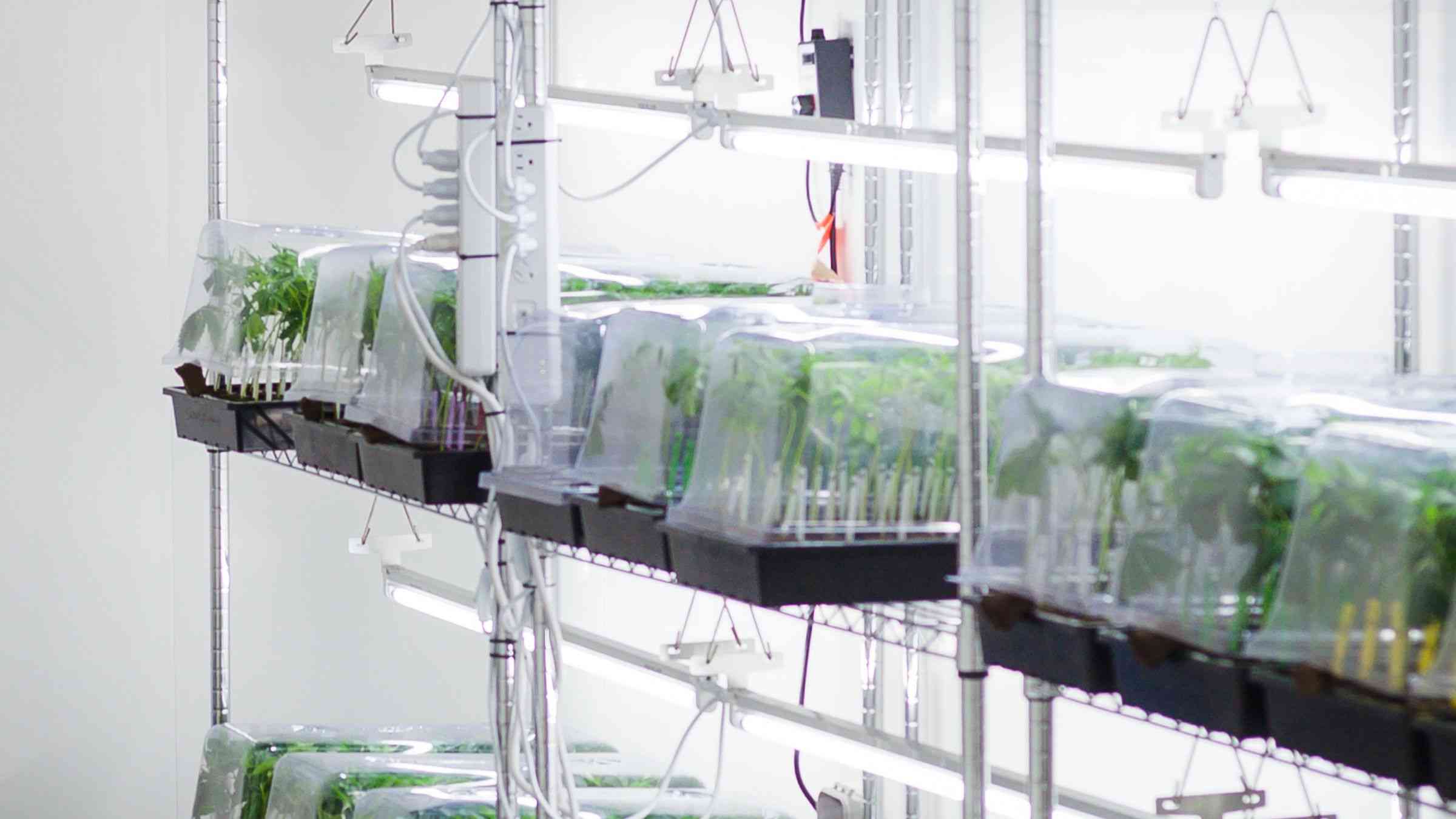
Cannabis clones kept under humidity domes to maintain stable moisture and light conditions.
What makes a perfect environment for cannabis clones during their earliest stages? Maintaining a stable environment is essential to help young plants establish strong roots and adjust to their new surroundings.
Clones thrive when the temperature stays between 68–77°F (20–25°C), with increased humidity levels around 70–85% during the first week. Gentle airflow helps prevent mold or stagnation without over-drying delicate leaves and stems.
Light Requirements for Marijuana Clones
Light also plays a critical role in supporting vegetative growth in cannabis clones. LED grow lights are ideal because they provide consistent light intensity without generating excessive heat. Indirect sunlight can also promote healthy growth while reducing stress during the initial stages.
Many cultivators adjust cannabis clones' light cycles to 18 hours on and 6 hours off, ensuring the clones develop steadily without triggering flowering too early.
Key Environmental Parameters
- Temperature: 68–77°F (20–25°C)
- Humidity: 70–85% for first week, gradually reducing later
- Light: LED grow lights or indirect sunlight with moderate intensity
- Airflow: Gentle circulation to prevent mold, avoid direct drafts
Optional soil amendment: Oyster shell meal for calcium support
Reducing Stress During the First Week
The first week is about stability, not growth spurts. Shipped clones need calm, predictable conditions so they can recover from transit and focus on root development instead of survival.
To reduce stress during this period:
- Keep temperatures steady: Aim for a consistent 70–75°F. Avoid hot spots, cold drafts, or sudden swings that can shock young plants.
- Maintain higher humidity: Target 65–75% humidity to limit moisture loss through the leaves while roots are still establishing.
- Use gentle, indirect light: Avoid intense grow lights or direct sunlight at first. Soft light allows clones to adjust without drying out or wilting.
- Limit handling: The less you move or disturb clones, the faster they can settle in and push energy into root growth.
- Water lightly and only when needed: Overwatering is a common stress trigger. Keep the medium lightly moist, not saturated, to encourage oxygen flow and healthy roots.
When these conditions stay consistent, clones can redirect energy into building strong roots and healthy fan leaves, setting the foundation for vigorous vegetative growth in the weeks ahead.
Watering & Nutrient Management for New Cannabis Clones
Light, careful watering is essential to avoid overwatering, which can cause root rot and stress young plants. Clones need moisture, but their roots require oxygen to develop strong roots and promote healthy growth.
Misting and Early Moisture Care
Clones can be lightly misted during the early stages, but only with a gentle spray to provide moisture without overwhelming the plant. Avoid soaking the leaves or the growing medium, as excess water can slow growth and increase the risk of disease. Many also consider an optional rooting hormone dip when transplanting clones to encourage rapid root development.
Introducing Nutrients Safely
Begin with a very mild solution with low electrical conductivity to avoid burning the roots. Watch for early signs of nutrient deficiencies, like yellowing leaves, slow growth, or pale stems. Adjust feeding gradually as the clones adapt to the new environment.
Watering and Nutrient Schedule
- Day 1: Light mist, check moisture level in growing medium
- Day 2–3: Repeat misting, avoid saturating roots
- Day 4–7: Introduce mild nutrient solution every 2–3 days, continue misting if humidity drops
Tips for Nutrient Maintenance
- Avoid overfeeding, which can slow growth
- Observe fan leaves for color changes or curling
- Maintain stable moisture without waterlogging
- Consider gentle supplements like oyster shell meal after roots establish
By carefully managing watering and nutrients during the first week, clones develop roots efficiently and grow into resilient, healthy plants. Early attention ensures strong root growth and prepares young plants for rapid vegging in the following weeks.
Transplanting Clones Successfully
Many cultivators wait until roots begin circling the rockwool cube or poke through the bottom of the container, usually about a week after arrival. At this stage, the clones are ready to move into your chosen medium.
Step-by-Step Transplanting Process
- Prepare the new medium: Set up your soil or growing medium ahead of time, making sure it’s lightly moist and well-draining. Optional light amendments, like oyster shell meal, can be mixed in to support overall plant health.
- Remove the clone carefully: Gently take the clone out of its original container, keeping the root ball intact and avoiding any pulling or shaking that could damage the roots.
- Place and position: Set the clone into the new medium so the roots sit comfortably and naturally, without bending or crowding.
- Water lightly: Give a gentle watering right after transplanting to help the medium settle around the roots, but avoid over-saturating the soil.
Tools and Materials Needed for Transplanting Clones:
- New growing medium (soil, coco, or hydroponic setup)
- Rockwool cubes if applicable
- Optional oyster shell meal or gentle amendments
- Clean scissors or a knife
- Watering container
- Stakes or small trellises for support
- Thermometer and hygrometer for monitoring conditions
Post-Transplant Car
After clones have rooted in their new environment, gradually increase light intensity and improve airflow to encourage vigorous development. Supporting the stem with small stakes or trellises can prevent leggy growth and help maintain upright, healthy clones.
Clones are carefully selected for strong roots, which adapt well to diverse growing mediums, making the transplant process smoother for both new and experienced growers. Proper care during this stage sets the foundation for successful outdoor or indoor cultivation.
Monitoring, Troubleshooting & Preventing Common Issues
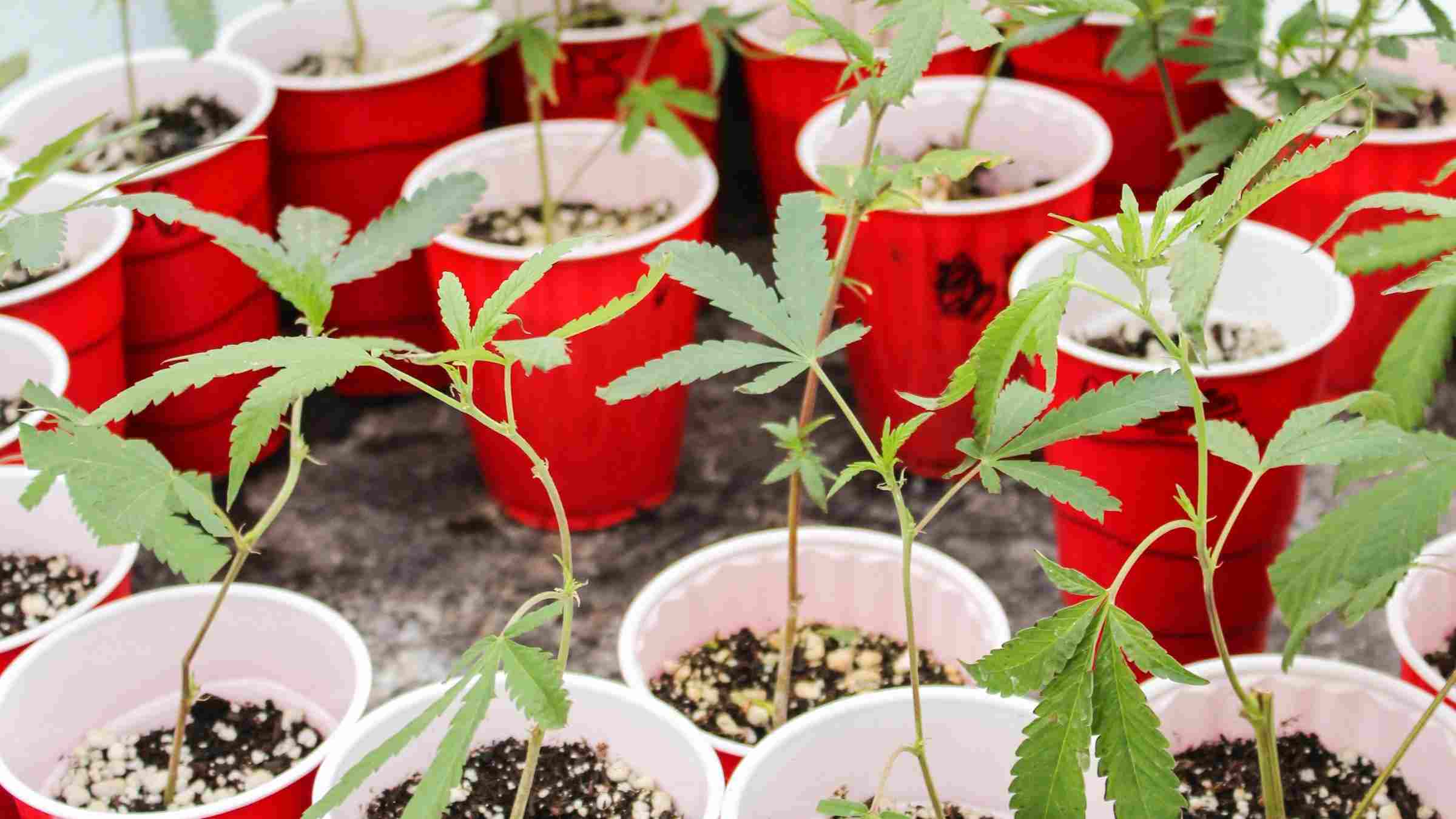
Healthy cannabis clones show stable growth, strong stems, and consistent leaf color.
Early signs of stress in cannabis clones include drooping leaves, yellowing or chlorosis, purple stems, or soft roots, which may indicate root rot. Many cultivators monitor their clones daily to ensure they remain thriving crops in a stable growing environment, and detecting problems early allows you to correct them before they impact overall plant health.
Identifying Nutrient Deficiencies
Deficiencies can also affect clones, especially magnesium, nitrogen, and calcium shortages. Watch for pale or yellowing leaves, slow growth, or curling edges, which are often early indicators. You can address deficiencies quickly by adjusting nutrient levels or using gentle supplements, which can prevent long-term damage and support vigorous root development.
Pest Prevention and Control
Pests such as fungus gnats and mites can quickly damage young cannabis clones if left unchecked. Keeping your grow space clean and sanitizing tools helps prevent infestations from taking hold. Many growers also use sticky traps, beneficial insects, or gentle organic treatments to protect clones without causing stress.
Common Clone Problems
Here’s a quick guide to spotting the most common issues with cannabis clones early and how to address them before they impact growth.
| Problem | Early Symptoms | Fix |
| Root rot | Brown or slimy roots, drooping leaves | Reduce watering, improve drainage, increase airflow |
| Nitrogen deficiency | Yellowing lower leaves | Add mild nitrogen supplement |
| Magnesium deficiency | Interveinal yellowing | Use magnesium-rich amendment |
| Fungus gnats | Small flies near soil, wilting leaves | Sticky traps, top-dress soil, reduce overwatering |
| Overwatering | Drooping, soft leaves, slow growth | Adjust watering schedule, improve drainage |
How to Know If Clones Are Healthy
- Leaf and Stem Health: Healthy cannabis clones have upright, bright green leaves and sturdy stems, showing consistent new growth as they move through the vegetative stage toward the flowering stage.
- Clone Roots: Clone roots should be white, spreading, and active, which promotes root growth and helps transplanted clones settle quickly in their new medium.
- Plant Vigor: Your cannabis plant should appear resilient and vigorous, ready to grow clones into full bud-producing plants while maintaining the same strain traits as the mother plant.
- Early Monitoring: It’s important to keep an eye on your clones as they develop. This allows you to spot issues early, prevent stunted growth, and support strong clone roots for a healthy growing cycle.
Growing Setup Considerations:
- Hydroponic system: Ensure roots are submerged properly, maintain oxygenation, and monitor hours of light for optimal development.
- Growing outdoors: Provide adequate space between weed plants, protect clones from harsh direct sunlight initially, and gradually acclimate them to local environmental conditions.
- Predictable Results: Monitoring each clone cannabis plant ensures marijuana clones maintain the same traits as the parent plant, giving cannabis growers predictable performance and strong bud production.
How Long Do Cannabis Clones Take to Grow?
While growth timelines can vary depending on strain and environmental conditions, most cannabis clones begin establishing roots and acclimating to their new space within about a week. During this early stage, the focus is on root development and adjusting to humidity, light, and temperature.
Starting with clones from a strong mother plant provides the added advantage of consistent genetics. These clones carry the same traits as their parent, including growth patterns, flowering time, and bud quality, making it easier for growers to plan multiple plants, manage harvest cycles, and achieve predictable, high-quality results.
Typical Growth Timeline for Cannabis Clones
- Day 1–7: Arrival and acclimation, root expansion begins
- Week 2–3: Strong vegetative growth, leaves develop, stems strengthen
- Week 4–6: Continued vegetative stage, plant fills growing space
- Week 7 onward: Flowering stage begins, buds start to form
Supporting Clones Through Each Stage
By following a careful care routine during these stages, clones develop strong roots and grow into vibrant plants capable of producing high-quality buds. Using clones also allows cultivators to reliably replicate their favorite strains across many plants, making planning easier for cultivators at every experience level.
This growth timeline provides a roadmap for all growers, detailing what to expect at each stage and how to help clones thrive.
Ready, Set, Grow: Ensuring Your Clones Flourish
Caring for shipped cannabis clones relies on providing stable conditions, proper watering, and suitable light, along with early support to minimize stress. By focusing on these factors, cannabis growers can ensure strong roots, healthy growth, and thriving crops throughout the vegging phase.
Clones offer a fast, reliable, and efficient alternative to seeds, allowing cultivators to reproduce favorite strains with predictable traits and consistent quality. When managed carefully, clones adapt quickly, develop vigorous roots, and progress toward high-quality bud production with minimal setbacks.
Homegrown Cannabis Co. clones are designed to make this process simple. Each cutting is sourced from hand-selected mother cannabis plants to guarantee strong roots and stable genetics. Whatever your experience level, these clones provide a trustworthy foundation for successful cloning and healthy cannabis plant development.
Browse our collection to start your cultivation journey with resilient plants that are ready to thrive. With proper care, your shipped clones will flourish, ensuring consistent results and a rewarding cannabis cultivation experience.
FAQ 1: How long do clones take to grow?
Most cannabis clones begin rooting within 5–10 days and enter strong vegetative growth by week 2–3. From there, expect 4–6 weeks of veg growth before the plant is ready to flower. Total time from clone to harvest is typically 3–4 months depending on the strain and growing conditions.
FAQ 2: When should I transplant clones?
Transplant clones once roots begin poking out of the bottom of the container or circling the rockwool cube — usually about 7–10 days after arrival. If you transplant too early, the root system may not be established enough to handle the move. Wait until you see visible white roots before making the switch.
FAQ 3: What is the best soil for clones?
Use a light, well-draining potting mix with good aeration. Avoid heavy or nutrient-dense “hot” soils, which can burn young roots. A mix with perlite and coco coir works well. If using soil, aim for a lightly amended blend and hold off on additional fertilizer until the clone shows new growth.
FAQ 4: Can you clone a clone?
Yes, you can clone a clone. Since each clone is genetically identical to its parent, a cutting taken from a clone will produce another identical plant. Some growers do this for several generations without noticeable loss in quality, though keeping a healthy mother plant is generally the most reliable long-term approach.